Strengthening Your Immune Shield: The Unfolding Saga of Kiwi Fruit
The Prologue: In Search of Immune Resilience
In an era defined by global interconnectedness and the constant ebb and flow of health challenges, the human immune system stands as our most formidable, yet often underestimated, line of defense. It is a marvel of biological engineering, a complex network of cells, tissues, and organs working in concert to identify and neutralize threats, from the simplest common cold to more insidious pathogens. Yet, this intricate shield is not impervious; it requires constant nourishment, meticulous maintenance, and strategic support to operate at its peak.
The modern quest for immune resilience often leads us down pathways of complex supplements, pharmaceutical interventions, and a dizzying array of health trends. But what if one of the most potent allies in this enduring battle against illness lies, unassuming, within the fuzzy skin of a small, vibrant fruit? This is the unfolding saga of the kiwi fruit – a humble botanical marvel whose journey from relative obscurity to global recognition parallels its increasing scientific validation as a cornerstone of immune health. For the knowledgeable seeker of wellness, understanding the multifaceted ways in which kiwi fortifies our defenses is not merely about nutritional facts; it is about appreciating a finely tuned biological symphony, conducted by nature itself.
Chapter 1: A Journey Through Time and Terroir – The Kiwi’s Ascent
Our story begins not in the sun-drenched orchards of New Zealand, but amidst the ancient landscapes of China. Here, for centuries, the fruit known as "Mihoutao" – or the Chinese gooseberry – flourished. Valued for its delicate flavor and perceived medicinal properties, it remained largely a regional secret, cultivated and consumed within its native lands. It was a fruit of quiet dignity, unaware of the global destiny that awaited it.
The pivotal moment in the kiwi’s narrative arrived in the early 20th century when Isabel Fraser, a New Zealand school principal, brought seeds back from her travels in China in 1904. Planted in the fertile soils of New Zealand, the Chinese gooseberry found a new home where it thrived, adapting to the temperate climate and developing new, robust varieties. It wasn’t until the mid-20th century that the fruit underwent a strategic rebranding. As New Zealand sought to export its produce, the name "Chinese gooseberry" was deemed unappealing and potentially restrictive in the Cold War era. Thus, in 1959, the fruit was christened "kiwifruit," a clever nod to New Zealand’s national bird and a distinctive identity that would soon capture the world’s imagination.
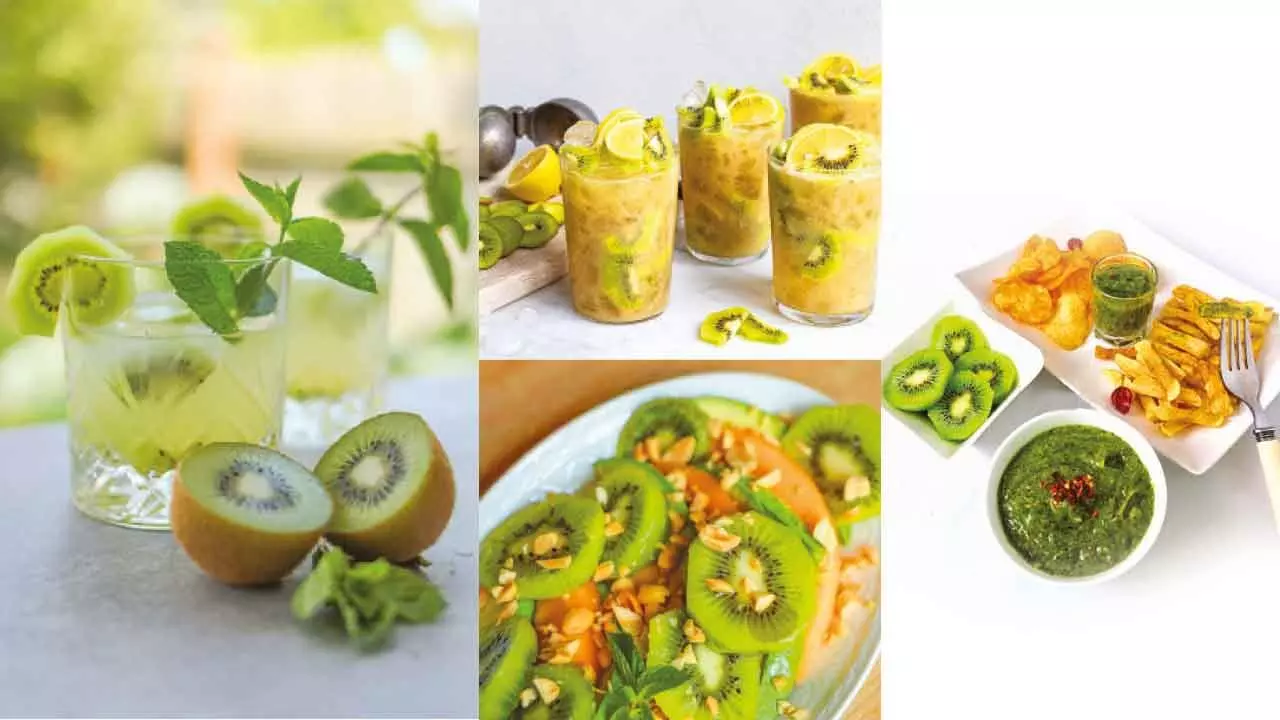
From this point, the kiwi’s global ascent was swift. Its unique taste – a delightful blend of sweet and tart – and its striking emerald green flesh speckled with tiny black seeds, made it an exotic and appealing addition to cuisines worldwide. But beneath its appealing exterior, scientists were beginning to uncover a nutritional profile that transcended mere culinary delight, revealing a powerhouse of compounds poised to revolutionize our understanding of natural immune support.
Chapter 2: The Core of the Shield – Vitamin C, The Master Architect
If the immune system is a fortress, then Vitamin C is arguably its master architect, overseeing the construction, maintenance, and strategic deployment of its defenses. And in the world of fruits, the kiwi stands as a titan of Vitamin C content, often surpassing oranges and other citrus fruits on a gram-for-gram basis. A single medium-sized kiwi (approximately 70-80g) can deliver well over 100% of the recommended daily intake for adults, making it an exceptionally efficient source of this vital nutrient.
But what exactly does this abundance of Vitamin C mean for our immune shield? Its role is far from singular; it is a multifaceted orchestrator, playing numerous critical parts:
-
Antioxidant Guardian: Our immune cells, in their tireless battle against pathogens, generate reactive oxygen species (ROS) – free radicals that can cause oxidative damage to cellular components. Vitamin C is a powerful water-soluble antioxidant, capable of neutralizing these free radicals, thereby protecting immune cells from self-inflicted damage and allowing them to function optimally. This protective role is crucial, as oxidative stress can impair immune responses and even lead to chronic inflammation.
-
Phagocyte Function Enhancer: Phagocytes, such as neutrophils and macrophages, are the immune system’s first responders, engulfing and destroying invading microorganisms. Vitamin C significantly enhances the chemotactic and phagocytic capacities of these cells, meaning it improves their ability to migrate to sites of infection and more effectively engulf pathogens. It also aids in the oxidative burst mechanisms used by phagocytes to kill internalized microbes.
-
Lymphocyte Proliferation: The adaptive immune system, responsible for targeted and memory-based responses, relies heavily on lymphocytes (T-cells and B-cells). Vitamin C supports the proliferation and differentiation of these cells, ensuring a robust and specific immune response against recurring threats. It also plays a role in the production of antibodies by B-cells, which are critical for neutralizing pathogens.
-
Collagen Synthesis and Barrier Integrity: The integrity of our physical barriers – skin and mucous membranes (lining the respiratory, gastrointestinal, and genitourinary tracts) – is our very first line of defense. Vitamin C is indispensable for collagen synthesis, the primary structural protein of connective tissues. By maintaining the strength and integrity of these epithelial barriers, Vitamin C helps prevent pathogens from gaining entry into the body, acting as a crucial physical shield.
-
Antiviral and Antibacterial Mechanisms: While not a direct antiviral or antibacterial agent itself, Vitamin C supports the body’s intrinsic mechanisms to combat these threats. It can modulate cytokine production, influencing the signaling molecules that regulate immune responses, and has been shown to reduce the duration and severity of common colds and upper respiratory tract infections, particularly in individuals under physical stress.
-
Modulating Inflammation: A well-regulated inflammatory response is vital for fighting infection. However, chronic or excessive inflammation can be detrimental. Vitamin C helps to modulate inflammatory pathways, ensuring that the immune response is appropriate and balanced, preventing the immune system from overreacting and causing damage to host tissues.


Post Comment