The Science Behind Kiwi’s Power to Ease Bloating: A Journey into Gut Harmony
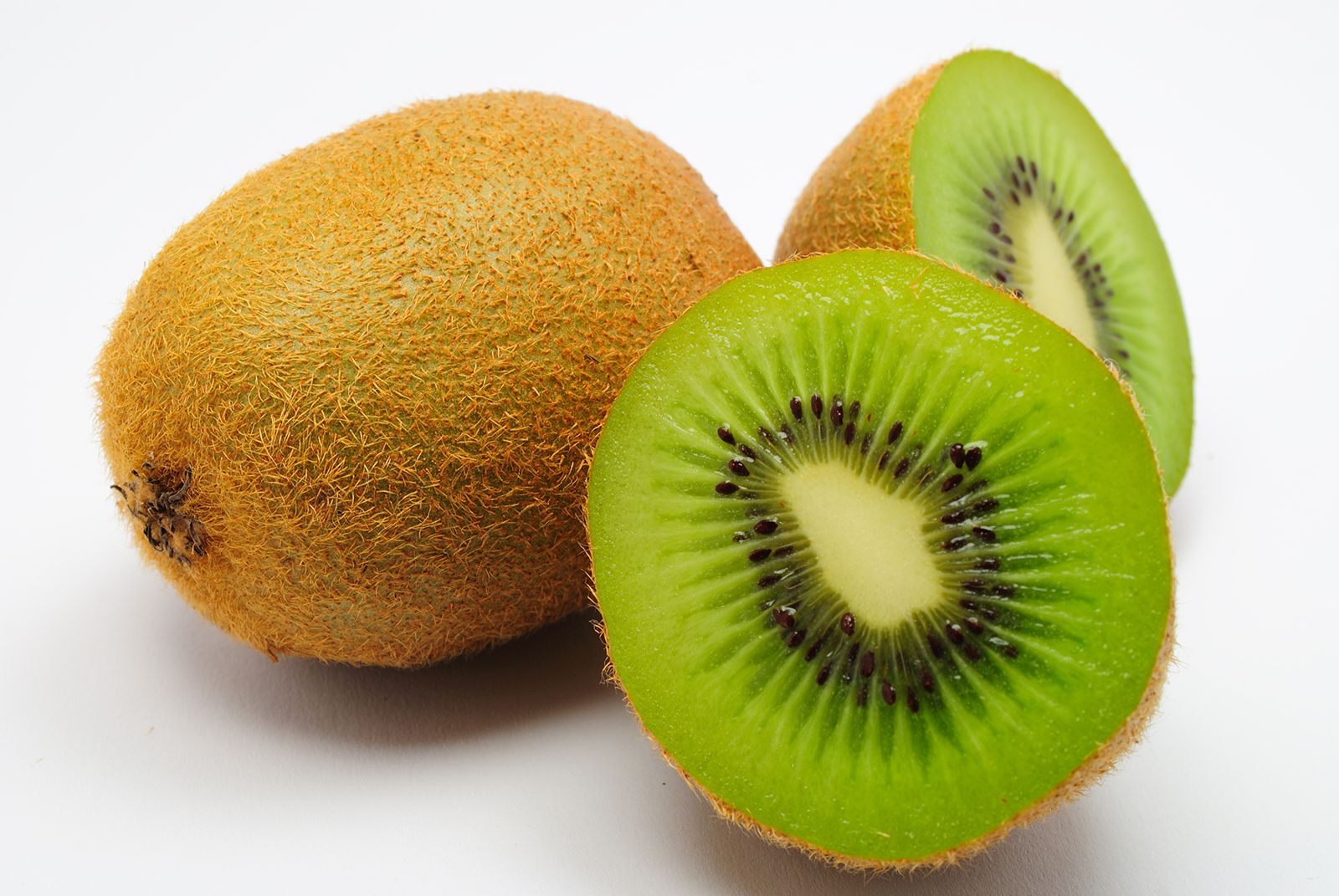
The subtle, yet persistent discomfort of bloating is a universally recognized human experience. It’s that unwelcome guest that turns a satisfying meal into a distended ordeal, a fitted outfit into a regret, and a day of productivity into a struggle against internal pressure. While myriad factors contribute to this pervasive issue, from dietary choices and stress to underlying medical conditions, the quest for natural, effective remedies is ongoing. Amidst a sea of quick fixes and speculative solutions, one unassuming fruit, the kiwi, emerges as a surprisingly potent ally in the battle against abdominal distension.
Far more than just a vibrant, tangy addition to a fruit salad, the kiwi is a complex biological package, brimming with compounds specifically engineered by nature to interact with our digestive system in profoundly beneficial ways. For the knowledgeable audience eager to delve beyond surface-level health claims, this article embarks on a scientific exploration, unraveling the intricate mechanisms through which kiwi exerts its remarkable power to ease bloating, telling a story of enzymatic precision, fiber synergy, and microbial harmony.
The Enigma of Bloating: A Clinical Perspective
Before dissecting kiwi’s prowess, it’s essential to understand the multifaceted nature of bloating itself. Bloating, often described as a feeling of fullness, pressure, or tightness in the abdomen, can be accompanied by visible abdominal distension. While subjectively uncomfortable, objective distension occurs when the abdominal circumference measurably increases. The root causes are diverse, often overlapping, and can be broadly categorized into:
- Excess Gas Production: This is perhaps the most common culprit. Gas in the gut primarily arises from two sources: swallowed air (aerophagia) and fermentation of undigested food by gut microbiota. Carbohydrates, particularly fermentable oligosaccharides, disaccharides, monosaccharides, and polyols (FODMAPs), are notorious for producing gas. Undigested proteins can also lead to putrefaction, generating malodorous gases.
- Impaired Gas Transit: Even normal amounts of gas can cause bloating if its movement through the digestive tract is hindered. This can be due to altered gut motility (the coordinated muscular contractions that move food along), visceral hypersensitivity (an exaggerated perception of normal gut sensations), or anatomical obstructions.
- Fluid Retention: While often associated with systemic conditions, localized fluid retention in the abdominal cavity or within the intestinal lumen can contribute to feelings of fullness and distension. Electrolyte imbalances, particularly sodium and potassium ratios, play a significant role here.
- Constipation: Infrequent or difficult bowel movements lead to a buildup of stool in the colon, which can impede gas transit, increase fermentation time, and physically distend the abdomen.
- Gut Dysbiosis: An imbalance in the gut microbiota, where beneficial bacteria are outnumbered by potentially harmful ones, can lead to inefficient digestion, increased gas production, and inflammation.
- Food Intolerances and Sensitivities: Beyond FODMAPs, other food components can trigger inflammatory responses or malabsorption, leading to digestive distress and bloating in susceptible individuals.
- Underlying Medical Conditions: Irritable Bowel Syndrome (IBS), Small Intestinal Bacterial Overgrowth (SIBO), celiac disease, inflammatory bowel disease (IBD), gastroparesis, and gynecological conditions can all manifest with significant bloating.
Understanding this complex landscape is crucial, as kiwi’s effectiveness stems from its ability to address several of these contributing factors simultaneously, working through an intricate interplay of its unique biological components.
Kiwi: A Nutritional Powerhouse Beyond the Peel
At first glance, a kiwi (Actinidia deliciosa for the green variety, Actinidia chinensis for the gold) appears as a modest fruit. Yet, beneath its fuzzy or smooth skin lies a treasure trove of nutrients: high levels of vitamin C, vitamin K, vitamin E, potassium, folate, and an impressive array of antioxidants. However, its true digestive power resides in three primary, interconnected components: the proteolytic enzyme actinidin, a balanced blend of dietary fiber, and its naturally low FODMAP profile.
1. Actinidin: The Proteolytic Maestro
The undisputed star of kiwi’s digestive benefits is actinidin, a naturally occurring proteolytic enzyme. Proteolytic enzymes, or proteases, are biological catalysts that break down proteins into smaller peptides and amino acids. While similar enzymes like papain (from papaya) and bromelain (from pineapple) are well-known, actinidin possesses distinct characteristics that make it particularly effective in the human digestive system.
Mechanism of Action:
Actinidin belongs to the cysteine protease family, meaning it utilizes a cysteine residue in its active site to cleave peptide bonds. What makes actinidin noteworthy is its broad specificity and stability across a wide pH range, allowing it to remain active throughout various segments of the gastrointestinal tract, from the acidic environment of the stomach to the more alkaline conditions of the small intestine.
When consumed with or after a meal, actinidin works synergistically with endogenous digestive enzymes like pepsin and trypsin. It significantly enhances the digestion of dietary proteins, particularly those that are difficult to break down, such as casein (found in dairy) and gluten. Studies have shown that actinidin can accelerate the gastric emptying of proteins and improve their overall digestibility.
Impact on Bloating:
The enhanced protein breakdown by actinidin directly mitigates several causes of bloating:
- Reduced Putrefaction: Undigested proteins that reach the large intestine can be fermented by proteolytic bacteria, leading to the production of putrefactive compounds like ammonia, indoles, phenols, and hydrogen sulfide. These compounds are not only malodorous but can also contribute to gas and discomfort. By ensuring more complete protein digestion in the upper GI tract, actinidin reduces the substrate available for putrefaction, thereby lessening the production of these noxious gases.
- Improved Nutrient Absorption: More efficient protein breakdown means better absorption of amino acids. This not only benefits overall nutrition but also reduces the osmotic load in the lower gut that can draw water into the lumen and contribute to distension.
- Enhanced Motility (Indirectly): While not a direct motility agent, improved digestion can indirectly support healthier gut transit. When the stomach empties more efficiently and the small intestine processes nutrients effectively, the entire digestive cascade tends to function more smoothly, reducing stagnation that can lead to gas accumulation.
In essence, actinidin acts as a powerful digestive aid, ensuring that proteins are disassembled into their building blocks effectively, preventing their journey to the large intestine where they can become problematic fermentable substrates.



Post Comment