Ellagic Acid: Exploring the Anti-Inflammatory Properties of Red Raspberries – Nature’s Ruby Prescription
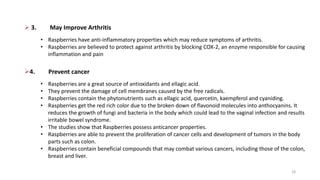
In the grand tapestry of life, where every thread is woven with purpose and intricate design, nature frequently offers us profound insights into well-being. From the ancient wisdom of herbal remedies to the cutting-edge discoveries of modern biochemistry, the plant kingdom remains an unparalleled pharmacy. Among its myriad treasures, certain compounds stand out for their exceptional therapeutic potential, silently working within our cells to maintain balance and restore harmony. One such marvel is Ellagic Acid (EA), a potent polyphenol, whose story unfolds with particular vibrancy in the humble yet majestic red raspberry.
This article embarks on a comprehensive exploration of ellagic acid, delving deep into its chemical nature, its prevalence, and most significantly, its remarkable anti-inflammatory properties. We will journey through the intricate mechanisms by which EA, particularly when sourced from the succulent red raspberry, exerts its protective effects, transforming from a simple plant compound into a formidable ally against the silent scourge of chronic inflammation. Our audience, discerning and knowledgeable, will find a narrative that not only presents scientific evidence but also attempts to tell the unfolding story of discovery, potential, and the timeless wisdom embedded in our natural world.
The Genesis of a Phytochemical Star: What is Ellagic Acid?
To truly appreciate ellagic acid, we must first understand its fundamental identity. Ellagic acid is a natural phenolic compound, specifically a dilactone of hexahydroxydiphenic acid. While its chemical name might sound daunting, its essence is simple: it belongs to the broader family of polyphenols, which are micronutrients packed with antioxidants. These compounds are characterized by multiple phenol structural units and are abundant in plants, where they play crucial roles in defense against pathogens, UV radiation, and oxidative stress.
Ellagic acid exists in plants predominantly in a conjugated form, most commonly as ellagitannins. These are complex esters of glucose and ellagic acid, which are hydrolyzed in the gut to release free ellagic acid. This distinction is vital because the bioavailability and ultimate biological activity of EA are heavily influenced by this metabolic transformation.
While red raspberries are often championed as a prime source, ellagic acid and its precursors are found in a variety of fruits, nuts, and even some vegetables. Pomegranates, strawberries, blackberries, walnuts, pecans, and even some muscadine grapes are notable contributors. However, red raspberries consistently feature high concentrations, making them a significant focus for research into EA’s health benefits. Their vibrant red hue is, in part, a testament to the rich array of phytochemicals they contain, with ellagic acid being a star player.
The Silent Scourge: Understanding Inflammation
Before we can fully grasp EA’s therapeutic potential, we must first confront its adversary: inflammation. Often misunderstood, inflammation is a fundamental biological response of the immune system to harmful stimuli, such as pathogens, damaged cells, or irritants. In its acute form, inflammation is a hero, a vital protective mechanism. When you cut your finger, the redness, swelling, heat, and pain are all signs of your body’s immune system rushing to the site of injury, clearing debris, fighting infection, and initiating the repair process. This acute response is typically localized, self-limiting, and essential for survival.
The problem arises when this finely tuned system goes awry, transitioning from an acute, beneficial response to a persistent, low-grade, systemic state known as chronic inflammation. Unlike its acute counterpart, chronic inflammation is a silent, insidious force, often without overt symptoms, slowly eroding tissues and contributing to the genesis and progression of a vast array of chronic diseases. It is a state where the immune system remains on high alert, constantly releasing inflammatory mediators, even in the absence of an immediate threat.
The list of diseases linked to chronic inflammation is staggering and continues to grow:
- Cardiovascular diseases: Atherosclerosis, hypertension
- Neurodegenerative disorders: Alzheimer’s disease, Parkinson’s disease
- Metabolic diseases: Type 2 diabetes, obesity, non-alcoholic fatty liver disease (NAFLD)
- Autoimmune conditions: Rheumatoid arthritis, lupus, inflammatory bowel disease (IBD)
- Certain cancers: Colorectal cancer, prostate cancer, breast cancer
- Respiratory conditions: Asthma, chronic obstructive pulmonary disease (COPD)
The mechanisms underlying chronic inflammation are complex, involving a cascade of molecular events, cellular signaling pathways, and the release of pro-inflammatory cytokines, enzymes, and reactive oxygen species (ROS). It is against this backdrop of widespread cellular distress and systemic imbalance that ellagic acid emerges as a compound of profound interest.
Red Raspberries: Nature’s Ruby Jewels and Their Phytochemical Symphony
While ellagic acid can be found in various plant sources, red raspberries (Rubus idaeus) hold a special place in the narrative of EA research. These delicate, juicy berries are not merely a delightful treat; they are a powerhouse of nutrition and bioactive compounds. Beyond ellagic acid and its ellagitannin precursors, red raspberries boast an impressive array of other beneficial phytochemicals, including:
- Anthocyanins: Responsible for their vibrant red-purple color, these flavonoids are potent antioxidants and anti-inflammatory agents in their own right.
- Flavonols: Such as quercetin and kaempferol, also known for their antioxidant and anti-inflammatory properties.
- Vitamin C: A classic antioxidant and immune booster.
- Fiber: Essential for gut health, which plays a critical role in systemic inflammation.
The beauty of consuming whole foods like red raspberries lies in the synergistic effect of these compounds. It is rarely a single molecule working in isolation, but rather a complex interplay of various phytochemicals, vitamins, and minerals that collectively contribute to the overall health benefit. Ellagic acid, while powerful on its own, likely acts in concert with these other raspberry constituents, enhancing its efficacy and broadening its spectrum of action. This holistic perspective underscores the "food as medicine" philosophy, where the sum is greater than its individual parts.


Post Comment