The Crimson Heartbeat: How Raspberries Tell a Story of Cardiovascular Resilience
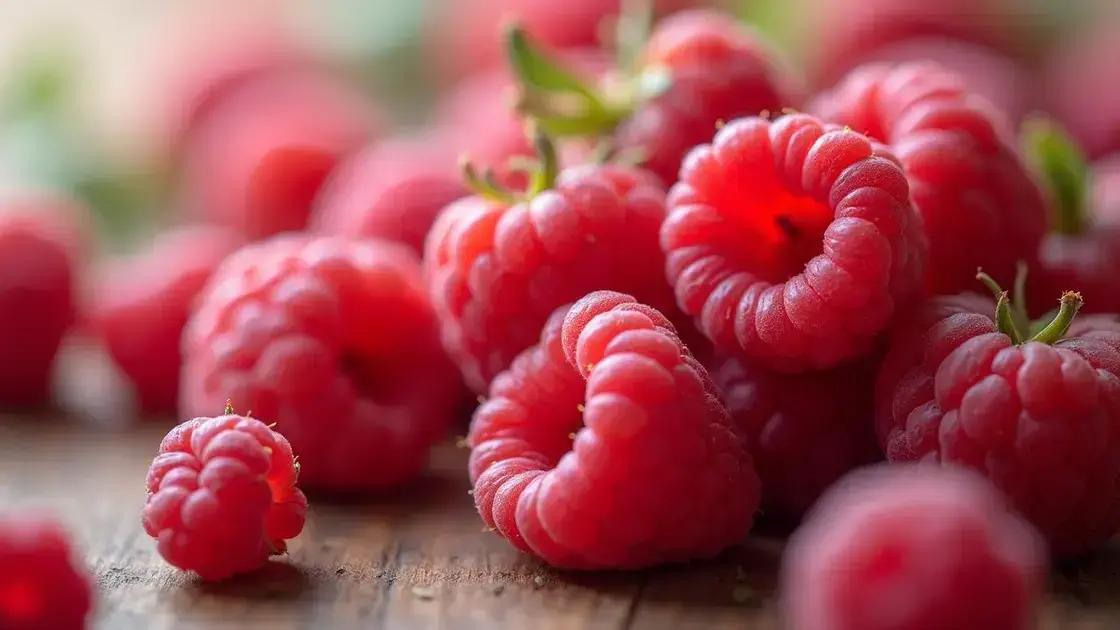
The morning sun, a gentle painter, casts long shadows across the dew-kissed leaves, illuminating a vibrant patch of red. Each raspberry, a tiny, segmented jewel, catches the light, a testament to nature’s intricate artistry. They sit, unassuming yet radiant, promising a burst of sweetness and a whisper of tang. But beneath this delightful surface lies a deeper narrative, a story of profound biological interaction, where these humble berries emerge as silent sentinels guarding the very core of our being: the cardiovascular system.
In a world increasingly challenged by chronic diseases, where the heart, that tireless pump, often bears the brunt of modern lifestyles, the search for natural allies becomes paramount. We, as a species, have always looked to nature for sustenance and healing, and in the crimson embrace of the raspberry, we find not just a delectable treat, but a complex tapestry of compounds woven together to support and enhance cardiovascular function. This is not merely a tale of nutrition; it is a saga of microscopic heroes, of cellular dances, and of the profound synergy between what we consume and the health of our most vital organ.
Our intent here is to unravel this fascinating story, to delve beyond the superficial sweetness and explore the scientific narrative of how raspberries, with their rich palette of nutrients and phytochemicals, actively contribute to a resilient and robust cardiovascular system. For the knowledgeable mind, eager to understand the ‘why’ behind the ‘what,’ this journey will illuminate the intricate mechanisms through which these berries bolster heart health, from the cellular level to the systemic flow.
The Heart: A Symphony of Life and Its Vulnerabilities
Before we fully appreciate the raspberry’s role, let us first acknowledge the stage upon which it performs: the human cardiovascular system. Imagine a sophisticated city, bustling with activity, where the heart is its central power station, tirelessly pumping life-sustaining blood through an elaborate network of arteries, capillaries, and veins. This network, stretching over 60,000 miles, delivers oxygen and nutrients to every cell, simultaneously whisking away waste products. It is a marvel of biological engineering, a testament to efficiency and endurance.
Yet, this intricate system is not without its vulnerabilities. Modern life, characterized by sedentary habits, processed foods, chronic stress, and environmental toxins, often throws wrenches into its delicate machinery. The leading antagonists in this story are well-known:
- Atherosclerosis: The insidious hardening and narrowing of arteries due to the buildup of plaque, a complex mixture of cholesterol, fats, calcium, and cellular debris. This is a slow-motion assault, gradually impeding blood flow and increasing the risk of heart attacks and strokes.
- Hypertension (High Blood Pressure): A relentless force, silently damaging blood vessels, making the heart work harder, and significantly contributing to atherosclerosis, kidney disease, and stroke.
- Oxidative Stress: An imbalance between the production of harmful free radicals and the body’s ability to neutralize them. These rogue molecules wreak havoc on cellular structures, particularly the delicate linings of blood vessels (the endothelium), initiating and propagating inflammation and damage.
- Chronic Inflammation: Not the acute, beneficial inflammation that heals wounds, but a persistent, low-grade systemic inflammation that acts as a silent fire, fueling the progression of atherosclerosis and other chronic diseases.
- Dyslipidemia: An unhealthy balance of lipids (fats) in the blood, particularly high levels of low-density lipoprotein (LDL) cholesterol (the "bad" cholesterol) and triglycerides, and low levels of high-density lipoprotein (HDL) cholesterol (the "good" cholesterol).
Against this backdrop of potential threats, the role of diet emerges as a powerful protagonist. What we choose to nourish our bodies with can either exacerbate these vulnerabilities or fortify our defenses. And it is here that the humble raspberry steps onto the stage, not as a singular hero, but as a conductor of a symphony of beneficial compounds.
Raspberries: Nature’s Nutritional Treasure Chest
Beyond their undeniable appeal to the palate, raspberries are a nutritional powerhouse, a dense package of vitamins, minerals, and, crucially, an extraordinary array of bioactive compounds. To truly appreciate their cardiovascular impact, we must first dissect their basic composition.
-
Fiber: The Gut’s Best Friend and the Heart’s Ally:
Raspberries are remarkably rich in dietary fiber, boasting around 8 grams per cup. This fiber is a blend of both soluble and insoluble types, each playing a critical role.- Soluble Fiber: This type dissolves in water, forming a gel-like substance in the digestive tract. It acts like a sponge, binding to cholesterol and bile acids, preventing their reabsorption and promoting their excretion. This process effectively helps lower LDL cholesterol levels. Furthermore, soluble fiber slows down the absorption of sugars, leading to a more gradual rise in blood glucose and insulin levels, a crucial factor in preventing insulin resistance and its associated cardiovascular risks.
- Insoluble Fiber: While not directly impacting cholesterol, insoluble fiber adds bulk to stool, promoting regular bowel movements. A healthy gut microbiome, fostered by adequate fiber intake, has increasingly been linked to better cardiovascular outcomes, influencing inflammation and lipid metabolism.
-
Vitamins and Minerals: Essential Co-factors for Cardiovascular Health:
While often overshadowed by their phytochemical cousins, the vitamins and minerals in raspberries are fundamental to maintaining heart health:


Post Comment