From Ancient Remedy to Clinical Trial: The Unwavering Quest to Unravel the Secrets of Ziziphus jujuba
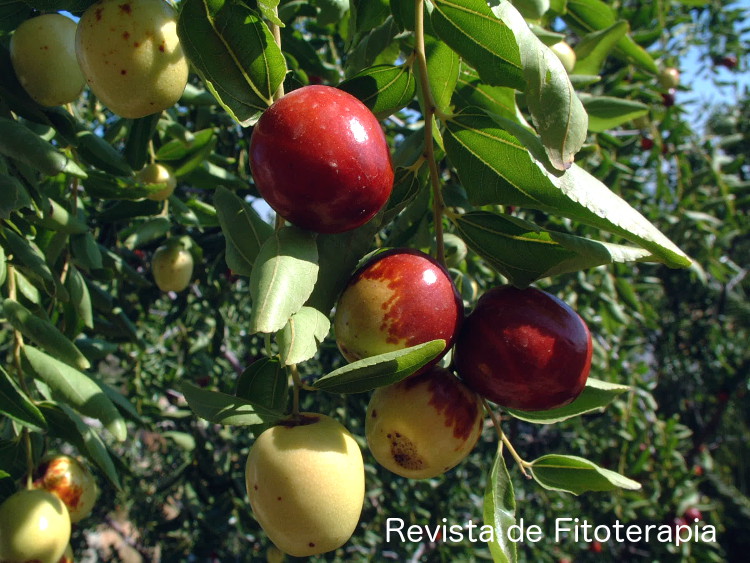
In the vast and intricate tapestry of ethnobotany, where millennia of human experience intertwine with the silent wisdom of the plant kingdom, certain species stand out as enduring pillars of health and healing. Among these, Ziziphus jujuba, commonly known as the jujube fruit, Chinese date, or red date, holds a uniquely revered position. For over 4,000 years, this unassuming drupe has nourished, soothed, and healed across continents, its virtues meticulously documented in ancient texts and passed down through generations. Today, as the scientific community increasingly turns its gaze towards nature’s pharmacopoeia, the jujube is undergoing a profound transformation, moving from the realm of traditional folklore into the rigorous crucible of modern clinical trials. This narrative delves into the remarkable journey of Ziziphus jujuba, charting its evolution from an ancient remedy to a subject of cutting-edge scientific inquiry, revealing a story of discovery that bridges the chasm between time-honored wisdom and contemporary evidence-based medicine.
The Tapestry of Tradition: Jujube in Ancient Healing Systems
The story of Ziziphus jujuba begins in the fertile valleys of South Asia and its subsequent spread across China, Korea, Japan, the Middle East, and parts of Europe. Its resilience, adaptability, and nutritional richness quickly cemented its status not merely as a food source but as a potent medicinal agent.
In Traditional Chinese Medicine (TCM), where it is known as Dazao (大枣), the jujube is considered one of the most vital herbs. It is described as having a sweet taste and warm nature, primarily acting on the Spleen and Stomach meridians. Its traditional functions are multifaceted: to nourish the Spleen and Stomach, replenish Qi (vital energy), enrich the blood, calm the Shen (spirit), and harmonize other herbs within a formula. It was a common ingredient in tonics for debility, digestive complaints, insomnia, anxiety, and fatigue. The classic formula Gan Mai Da Zao Tang, for instance, combining jujube with wheat and licorice, has been used for centuries to treat "zang zao" – a condition resembling modern anxiety, depression, and emotional lability. Its gentle, restorative properties made it suitable for long-term use, often prescribed to strengthen the body’s foundational energies and promote overall well-being.
Across the Himalayas, in Ayurvedic medicine, Ziziphus jujuba (known as Badari) was recognized for similar properties. It was utilized as a demulcent, expectorant, and blood purifier, particularly valued for respiratory ailments, digestive issues, and as a general tonic. Its cooling properties, when unripe, were used to alleviate pitta imbalances, while the ripe fruit, being sweet and nourishing, helped balance vata and kapha.
Beyond these major systems, Ziziphus jujuba found a place in Korean traditional medicine (Daechu), where it was used for insomnia, fatigue, and as a diuretic. In the Middle East, it was consumed to improve digestion, boost energy, and soothe sore throats. The sheer breadth of its historical application speaks volumes about its perceived efficacy and safety across diverse cultural and geographical contexts. These ancient applications, though lacking the mechanistic explanations of modern science, were rooted in keen observation and empirical evidence gathered over countless generations, forming a robust foundation for contemporary investigation.
Unveiling the Bioactive Symphony: The Phytochemistry of Jujube
The transition of Ziziphus jujuba from folk remedy to scientific subject began with the meticulous work of phytochemists. Their initial investigations sought to deconstruct the complex matrix of the fruit, bark, seeds, and leaves, identifying the specific compounds responsible for its reported therapeutic effects. What emerged was a veritable symphony of bioactive molecules, each playing a role in the plant’s pharmacological orchestra.
Among the most prominent constituents are triterpenoid saponins, particularly jujubosides A and B, and their aglycone, spinosin. These compounds are largely credited with the sedative, anxiolytic, and neuroprotective properties of jujube. Spinosin, in particular, has been extensively studied for its ability to modulate neurotransmitter systems.
Flavonoids represent another significant class of compounds, including quercetin, apigenin, kaempferol, and their glycosides. These are powerful antioxidants and anti-inflammatory agents, contributing to the fruit’s protective effects against oxidative stress and chronic inflammation.
Polysaccharides, complex carbohydrate structures, are abundant in jujube fruit and have garnered considerable attention for their immunomodulatory, anti-tumor, and gastrointestinal protective properties. These polysaccharides often consist of various monosaccharides like arabinose, xylose, galactose, and glucose.
Beyond these, Ziziphus jujuba is a rich source of vitamins, notably vitamin C (ascorbic acid), B vitamins (thiamine, riboflavin, niacin), and minerals such as iron, zinc, potassium, and magnesium. It also contains amino acids, including unique cyclic peptides, phenolic acids, and dietary fiber. This diverse phytochemical profile provides a compelling scientific rationale for the broad spectrum of traditional uses, suggesting a synergistic interplay between these compounds that enhances overall therapeutic efficacy.
From Petri Dish to Pre-Clinical Promise: In Vitro and In Vivo Investigations
With the chemical blueprint in hand, the scientific journey progressed to the laboratory, where researchers began to unravel the precise mechanisms by which these compounds exert their effects. This phase, encompassing in vitro (cell culture) and in vivo (animal model) studies, laid the groundwork for human clinical trials.
Neuroprotection and Anxiolytic/Sedative Effects:
One of the most compelling areas of research has focused on jujube’s impact on the central nervous system, validating its ancient use for insomnia and anxiety. In vitro studies have shown that jujubosides and spinosin interact with GABAergic receptors, particularly GABA-A, enhancing GABAergic transmission – a primary inhibitory neurotransmitter system in the brain. This mechanism is similar to that of benzodiazepines, but often with a milder profile. Animal studies have consistently demonstrated that jujube extracts can prolong sleep duration, reduce sleep latency, and decrease motor activity in mice, suggesting sedative properties. Furthermore, in models of anxiety (e.g., elevated plus-maze, open field test) and depression (e.g., forced swim test), jujube administration has shown anxiolytic and antidepressant-like effects, attributed to its modulation of serotonin, norepinephrine, and dopamine systems, as well as its antioxidant capacity to protect neuronal cells from damage. Research also points to its ability to increase brain-derived neurotrophic factor (BDNF), vital for neuronal growth and survival.
Gastrointestinal Health:
The traditional use of jujube for digestive complaints has also found strong scientific backing. In vivo studies have shown that jujube extracts can protect gastric mucosa against various ulcer-inducing agents, likely due to their antioxidant and anti-inflammatory properties, and their ability to enhance mucus production. Its high fiber content contributes to its laxative effects, aiding in constipation relief, while its adaptogenic nature also suggests anti-diarrheal properties in certain contexts. Furthermore, emerging research highlights jujube’s potential to modulate the gut microbiome, fostering a healthier balance of beneficial bacteria, which has profound implications for overall health, immunity, and even mood.
Antioxidant and Anti-inflammatory Properties:
The rich flavonoid and phenolic content of Ziziphus jujuba makes it a potent antioxidant. In vitro assays have repeatedly demonstrated its ability to scavenge free radicals, reduce reactive oxygen species (ROS), and inhibit lipid peroxidation. In animal models of inflammation (e.g., carrageenan-induced paw edema), jujube extracts have been shown to significantly reduce inflammatory markers and swelling, suggesting a therapeutic role in chronic inflammatory conditions. These effects are mediated by the suppression of pro-inflammatory cytokines such as TNF-α, IL-1β, and IL-6, and the inhibition of COX-2 expression.
Immunomodulation:
Jujube polysaccharides have been a particular focus in immunomodulation research. Studies have shown they can enhance the proliferation of lymphocytes, activate macrophages, and boost natural killer (NK) cell activity. This suggests a potential role in strengthening the body’s immune response against pathogens and even in supporting anti-cancer therapies by bolstering host immunity.
Cardiometabolic Health:
Pre-clinical studies have also explored jujube’s impact on metabolic disorders. Animal models of hyperlipidemia and diabetes have demonstrated that jujube extracts can lower serum cholesterol and triglyceride levels, improve glucose tolerance, and reduce insulin resistance. These effects are attributed to various mechanisms, including inhibition of lipid absorption, enhanced glucose utilization, and antioxidant protection against pancreatic beta-cell damage.
Anticancer Potential:
While not a standalone cancer cure, Ziziphus jujuba has shown promising adjunct potential. In vitro studies on various cancer cell lines (e.g., breast, colon, liver, leukemia) have indicated that jujube extracts can inhibit cell proliferation, induce apoptosis (programmed cell death), and suppress metastasis. These effects are often mediated by the modulation of signaling pathways involved in cell growth and survival. Animal studies have further supported its ability to inhibit tumor growth and enhance the efficacy of conventional chemotherapy agents while mitigating their side effects.
This extensive body of pre-clinical research has provided compelling scientific evidence, moving beyond mere correlation to establish plausible biochemical and physiological mechanisms for many of the jujube’s traditional applications. It set the stage for the ultimate test: human clinical trials.
The Crucible of Clinical Trials: Testing Efficacy in Humans
The transition from promising laboratory findings to robust human clinical data is a critical and often challenging phase for any natural product. Clinical trials, with their stringent protocols, placebo controls, and ethical considerations, aim to definitively establish the safety and efficacy of an intervention in human subjects. For Ziziphus jujuba, this phase is ongoing, with a growing number of studies shedding light on its real-world therapeutic potential.


Post Comment