The Unseen Dialogue: How Jujube Fiber Bridges Gut and Brain for Holistic Well-being
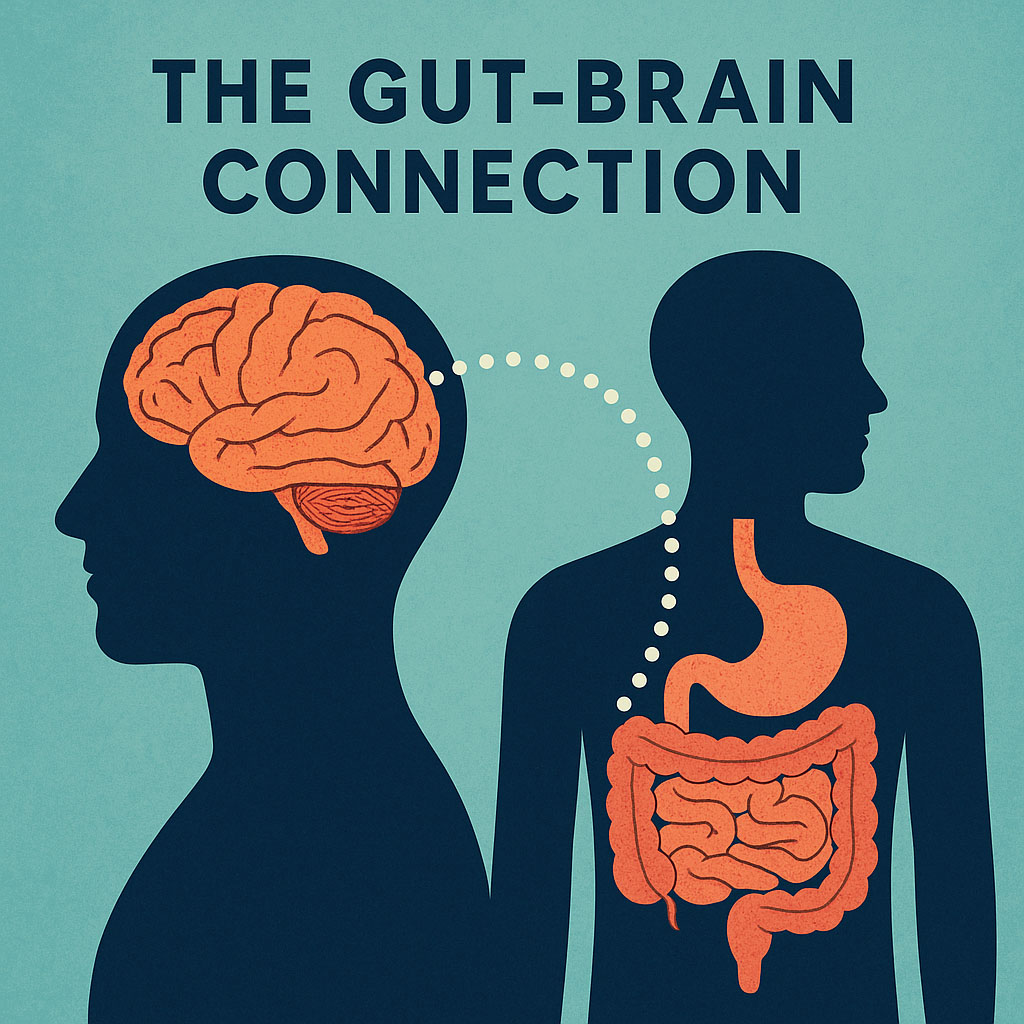
Imagine, for a moment, that your gut isn’t just a processing plant for food, but a bustling metropolis, alive with trillions of inhabitants, a place where complex chemical conversations unfold constantly. Now, picture this metropolis directly connected to your brain, not by a single telephone line, but by a superhighway of nerves, hormones, and immune signals. This isn’t a flight of fancy; it’s the profound reality of the gut-brain connection, a bidirectional communication system that scientists are increasingly recognizing as central to our physical and mental health. It’s a story as old as humanity, whispered in ancient healing traditions, and now, meticulously documented by modern science.
For centuries, across diverse cultures, traditional medicine has intuitively understood this intrinsic link. Phrases like "gut feeling" or "butterflies in the stomach" are more than mere idioms; they are echoes of an ancient wisdom that recognized the profound influence of our digestive system on our emotional and cognitive states. Today, this wisdom is being validated by cutting-edge research, revealing the intricate dance between our enteric nervous system, our gut microbiome, and our central nervous system.
In this grand narrative of physiological interconnectedness, the humble jujube fruit, Ziziphus jujuba, emerges as a compelling protagonist. Revered for millennia in traditional Chinese medicine (TCM) and other ancient healing systems, the jujube has long been celebrated for its calming properties, its ability to aid digestion, and its capacity to nourish the body. While its rich array of vitamins, minerals, and antioxidants contributes to its overall health benefits, it is the often-unsung hero – its fiber – that holds a particularly potent key to unlocking the secrets of the gut-brain axis. Jujube fiber, as we shall explore, acts as a pivotal bridge, fostering a healthy gut environment that, in turn, cascades into profound benefits for both digestive function and mental well-being.
To truly appreciate the power of jujube fiber, we must first embark on a deeper exploration of this unseen dialogue, unraveling the complex mechanisms that govern the gut-brain connection, and understanding how a nourished inner ecosystem can orchestrate a symphony of health from within.
Deconstructing the Gut-Brain Axis: A Symphony of Communication
The gut-brain axis (GBA) is not a single pathway but a complex, multi-layered communication system that involves several key players. Think of it as a meticulously choreographed ballet, where each dancer – nerves, hormones, immune cells, and microbes – performs a vital role in maintaining harmony.
A. The Enteric Nervous System (ENS): The "Second Brain"
At the very heart of the gut’s autonomy lies the enteric nervous system (ENS), often affectionately dubbed the "second brain." This intricate network of over 100 million neurons, embedded within the walls of the gastrointestinal tract from the esophagus to the anus, is so complex that it can operate independently of the central nervous system (CNS). It’s not just a relay station; it’s a sophisticated processing unit.
The ENS is responsible for orchestrating virtually every aspect of digestion: controlling the rhythmic contractions of the gut muscles (peristalsis) that move food along, regulating the secretion of digestive enzymes and acids, and influencing blood flow to the gut. But its influence extends far beyond mere mechanics. It constantly monitors the contents of the gut, senses mechanical stretch, and detects the chemical composition of its environment, including the presence of microbes and their metabolites. This constant stream of information is not kept isolated; it’s relayed to the brain, influencing everything from satiety and appetite to mood and stress responses. This intricate "local intelligence" of the ENS forms the foundational layer of the gut-brain dialogue.
B. The Vagus Nerve: The Superhighway of Information
If the ENS is the local intelligence, then the vagus nerve is the superhighway, the primary physical conduit connecting the brain directly to the gut. It’s the longest cranial nerve, extending from the brainstem down to the abdomen, innervating various organs along the way, including the heart, lungs, and crucially, the entire digestive tract.
The vagus nerve is a true bidirectional highway, carrying signals in both directions. Approximately 80-90% of its fibers are afferent, meaning they transmit information from the gut to the brain. This is where those "gut feelings" truly originate. The gut sends signals about its state – inflammation, distension, the presence of certain nutrients or toxins – directly up the vagus nerve to the brain. In turn, the brain sends efferent signals to the gut, influencing digestive processes, gut motility, and even the release of immune compounds. A well-toned vagus nerve is associated with better stress resilience, reduced inflammation, and improved mood, highlighting its critical role in mediating the entire gut-brain axis.
C. Neurotransmitters: Chemical Messengers with a Gut Origin
Beyond neural pathways, chemical messengers play a starring role. Neurotransmitters, the brain’s communication molecules, are not exclusive to the brain; many are produced and utilized in significant quantities within the gut. Perhaps the most famous example is serotonin, a neurotransmitter widely associated with mood, happiness, and well-being. Astonishingly, over 90% of the body’s serotonin is produced and stored in the gut, primarily by specialized cells called enterochromaffin cells, but also influenced by gut bacteria.
The gut also produces and interacts with other key neurotransmitters like gamma-aminobutyric acid (GABA), which has calming effects; dopamine, involved in reward and motivation; and norepinephrine, linked to alertness and stress response. The presence and activity of specific gut microbes can profoundly influence the production, metabolism, and availability of these crucial compounds. A healthy, diverse microbiome can optimize neurotransmitter balance, while dysbiosis (an imbalance of gut bacteria) can disrupt it, potentially contributing to mood disorders.
D. The Immune System: An Overlooked Link
The immune system, often perceived as a separate entity, is deeply intertwined with the gut-brain axis. A staggering 70-80% of the body’s immune cells reside in the gut-associated lymphoid tissue (GALT), making the gut the largest immune organ. This strategic placement is no accident; the gut is a major interface with the external world, constantly exposed to potential pathogens and foreign substances.
The gut immune system acts as a vigilant gatekeeper, deciding what to absorb and what to defend against. When the gut barrier is compromised – a condition often referred to as "leaky gut" or increased intestinal permeability – immune cells can become overactive, leading to chronic low-grade inflammation. This inflammation isn’t confined to the gut; inflammatory cytokines, chemical messengers released by immune cells, can travel through the bloodstream, cross the blood-brain barrier, and induce neuroinflammation. This neuroinflammation is increasingly implicated in a range of neurological and psychiatric conditions, including depression, anxiety, and even neurodegenerative diseases. Thus, a healthy gut immune system, fostered by a balanced microbiome, is paramount for both physical and mental resilience.
E. Short-Chain Fatty Acids (SCFAs): Microbial Masterpieces
Among the most fascinating discoveries in gut-brain science is the role of short-chain fatty acids (SCFAs). These remarkable compounds are not produced by our own cells but are the metabolic byproducts of bacterial fermentation of dietary fibers in the colon. The three most abundant SCFAs are butyrate, acetate, and propionate.
SCFAs are far more than just waste products; they are potent signaling molecules with wide-ranging effects. Butyrate, in particular, is a superstar. It serves as the primary energy source for colonocytes (cells lining the colon), thereby strengthening the gut barrier and preventing "leaky gut." It also possesses powerful anti-inflammatory properties, both locally in the gut and systemically. Beyond the gut, SCFAs can cross the blood-brain barrier and exert direct effects on brain function. They influence neurogenesis (the formation of new brain cells), modulate neurotransmitter synthesis, and protect against neuroinflammation. A diet rich in fiber, which fuels SCFA production, is therefore a direct investment in both gut and brain health.
The Gut Microbiome: The Heart of the Connection
At the nexus of all these communication pathways lies the gut microbiome – the vast and diverse community of bacteria, viruses, fungi, and other microorganisms that inhabit our digestive tract. This isn’t just a collection of microscopic hitchhikers; it’s a dynamic, interactive ecosystem, often referred to as a "forgotten organ," with metabolic capabilities that far exceed our own.
A. A Complex Ecosystem:
The human gut harbors trillions of microorganisms, outnumbering our own cells by a factor of 10 to 1 and possessing 100 times more genes than the human genome. This intricate ecosystem, unique to each individual like a fingerprint, plays a critical role in nutrient absorption, vitamin synthesis (e.g., vitamin K, some B vitamins), detoxification, and protection against pathogens. The diversity and balance of this microbial community are crucial. A diverse microbiome, rich in beneficial species, is resilient and robust, capable of performing its myriad functions effectively.
B. Dysbiosis: When the Balance is Lost
When the delicate balance of the gut microbiome is disrupted – a condition known as dysbiosis – cascading negative effects can ensue. Dysbiosis can be triggered by a multitude of factors: a diet high in processed foods and low in fiber, chronic stress, antibiotic use, infections, environmental toxins, and even lack of sleep.
The consequences of dysbiosis are profound. An overgrowth of pathogenic bacteria or a depletion of beneficial ones can lead to increased gut inflammation, compromise the integrity of the gut barrier (leading to "leaky gut"), and alter the production of crucial neurotransmitters and SCFAs. This disruption directly impacts the gut-brain axis. A gut in turmoil sends distress signals to the brain via the vagus nerve, inflammatory cytokines, and altered neurochemicals, contributing to symptoms like digestive discomfort, fatigue, anxiety, depression, and even cognitive impairment. The gut becomes a source of chronic stress, constantly signaling alarm to the brain.
C. Prebiotics and Probiotics: Nurturing the Ecosystem




Post Comment