The Antimicrobial and Anti-inflammatory Secrets of Thai Basil: A Journey from Culinary Delight to Pharmacological Treasure
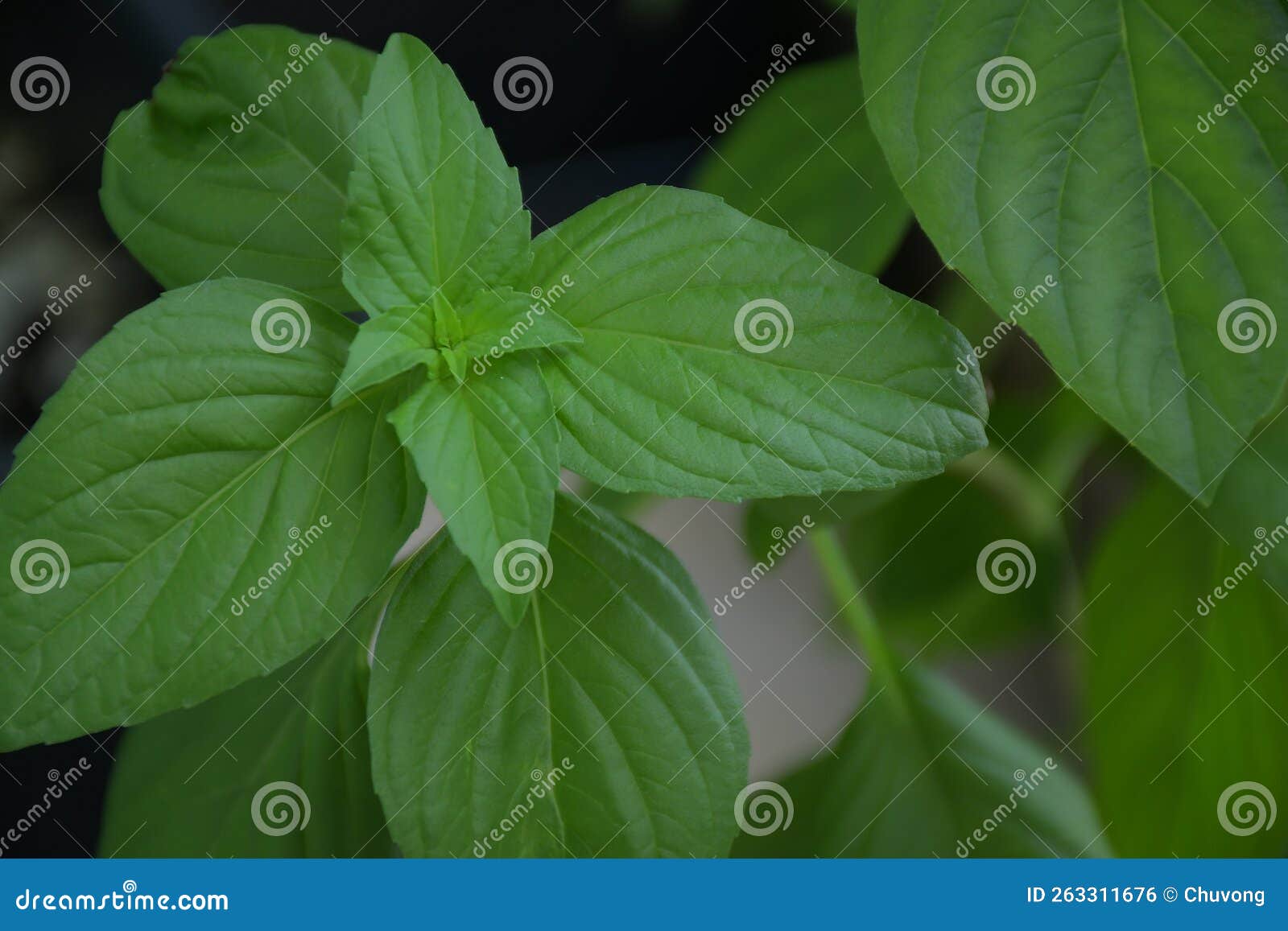
The first whiff is an invitation: a complex tapestry woven from the sweet, peppery caress of anise, the warm embrace of clove, and the fresh, almost citrusy uplift of mint. This is the unmistakable aroma of Thai basil (Ocimum basilicum var. thyrsiflora), a cornerstone of Southeast Asian cuisine, whose vibrant green leaves and distinctive purple stems grace countless dishes, from fiery curries to aromatic noodle soups. Yet, beyond its undeniable culinary charm, Thai basil harbors a deeper, more profound secret – a potent arsenal of bioactive compounds that have served as traditional remedies for centuries and are now attracting intense scrutiny from the world of modern science. This is the story of how a humble herb, revered in kitchens and folk medicine alike, is revealing itself as a powerful antimicrobial and anti-inflammatory agent, a pharmacological treasure hidden in plain sight.
The Heartbeat of Thai Cuisine: More Than Just a Garnish
To understand the full significance of Thai basil, one must first appreciate its cultural roots. In Thailand, as in much of Southeast Asia, food is not merely sustenance; it is an art form, a social ritual, and an intrinsic part of well-being. Thai basil, known locally as horapha, is not an afterthought or a mere garnish; it is an essential flavor profile, contributing depth, freshness, and a characteristic "Thai" essence that cannot be replicated.
Imagine a simmering bowl of Pad Krapow, the ubiquitous stir-fried basil dish. The moment the roughly chopped basil leaves hit the scorching wok, their volatile oils burst forth, mingling with garlic, chili, and savory sauces, infusing the entire dish with their intoxicating perfume. Or consider Gaeng Keow Wan, green curry, where fresh basil is often added at the very end, its verdant leaves wilting slightly, releasing their peppery-anise notes to complement the rich coconut milk and spicy curry paste. In Pho, the Vietnamese national dish, a generous platter of fresh herbs, including Thai basil, is served alongside, allowing diners to tear and add leaves, customizing each spoonful with a burst of aromatic freshness.
This pervasive presence in daily diets is not accidental. For generations, traditional healers and home cooks have intuitively understood that these herbs offer more than just flavor. They observed that basil, with its pungent aroma, seemed to ward off ailments, aid digestion, and bring a sense of calm. This ancient wisdom, passed down through oral traditions and practical application, laid the groundwork for the scientific inquiries of today. It is a testament to the power of ethnobotany, where cultural practices serve as invaluable clues for modern pharmaceutical discovery.
Unveiling the Chemical Symphony: The Bioactive Orchestra
The true "secrets" of Thai basil lie within its intricate chemical composition. Like a well-orchestrated symphony, numerous compounds work in concert, each playing a vital role in the plant’s defense mechanisms and, by extension, its therapeutic potential for humans. The most significant players are found within its essential oil, a complex mixture of volatile organic compounds responsible for its characteristic aroma, alongside a rich array of phenolic acids and flavonoids.
The Volatile Maestros: Essential Oil Compounds
The essential oil of Thai basil is a veritable powerhouse, dominated by a handful of key molecules:
-
Eugenol: This is often considered the star of the show. Eugenol is a phenolic compound renowned for its strong clove-like aroma and taste. It’s also found in high concentrations in cloves, nutmeg, and cinnamon. Eugenol is a potent antioxidant, a formidable antimicrobial agent, and perhaps most importantly, a significant anti-inflammatory compound. Its mechanisms include the inhibition of cyclooxygenase (COX) enzymes, particularly COX-2, which are critical mediators in the inflammatory pathway. This makes its action somewhat analogous to non-steroidal anti-inflammatory drugs (NSAIDs) but often with a gentler profile. Furthermore, eugenol can modulate the production of pro-inflammatory cytokines like TNF-α and IL-6, effectively dampening the inflammatory cascade.
-
Methyl Chavicol (Estragole): Contributing the distinctive anise or licorice notes, methyl chavicol is another prominent component. While its primary role is often associated with flavor, research indicates it also possesses antimicrobial properties, particularly against certain bacteria and fungi. Its potential anti-inflammatory effects are also being explored, often in synergy with other basil compounds.
-
Linalool: With its delicate, floral, and slightly spicy aroma, linalool adds complexity to basil’s fragrance. Beyond its pleasant scent, linalool is a well-documented anxiolytic (anxiety-reducing) and analgesic (pain-relieving) compound. Its anti-inflammatory actions are linked to its ability to inhibit pro-inflammatory mediators and reduce oxidative stress, offering a calming effect both aromatically and internally.
-
Methyl Eugenol: A close relative of eugenol, methyl eugenol shares some of its antimicrobial and antioxidant properties, further contributing to the plant’s protective effects.
-
1,8-Cineole (Eucalyptol): Also found in eucalyptus and rosemary, cineole lends a camphoraceous, fresh, and slightly medicinal note. It is recognized for its expectorant properties and its ability to reduce inflammation in respiratory pathways, suggesting potential benefits for conditions like asthma and bronchitis. Its antimicrobial activity is also noteworthy.
-
Limonene: A monoterpene responsible for a fresh, citrusy aroma, limonene is a common constituent in many essential oils. It exhibits antioxidant, anti-inflammatory, and even anti-cancer properties, adding another layer to basil’s therapeutic profile.


Post Comment