Petal Power: Cultivating Calm in a Chaotic World with Floral Aromatherapy
In the relentless hum of the 21st century, modern anxiety has become an unwelcome, yet ubiquitous, companion. It’s the constant ping of notifications, the weight of global crises, the pressure to perform in an ever-accelerating world, and the subtle erosion of genuine human connection. Our nervous systems, once finely tuned for immediate threats, are now chronically on alert, mistaking emails for saber-toothed tigers and social media comparisons for existential dangers. The result is a pervasive state of unease, manifesting as disrupted sleep, racing thoughts, physical tension, and a profound sense of overwhelm that dulls our capacity for joy and presence.
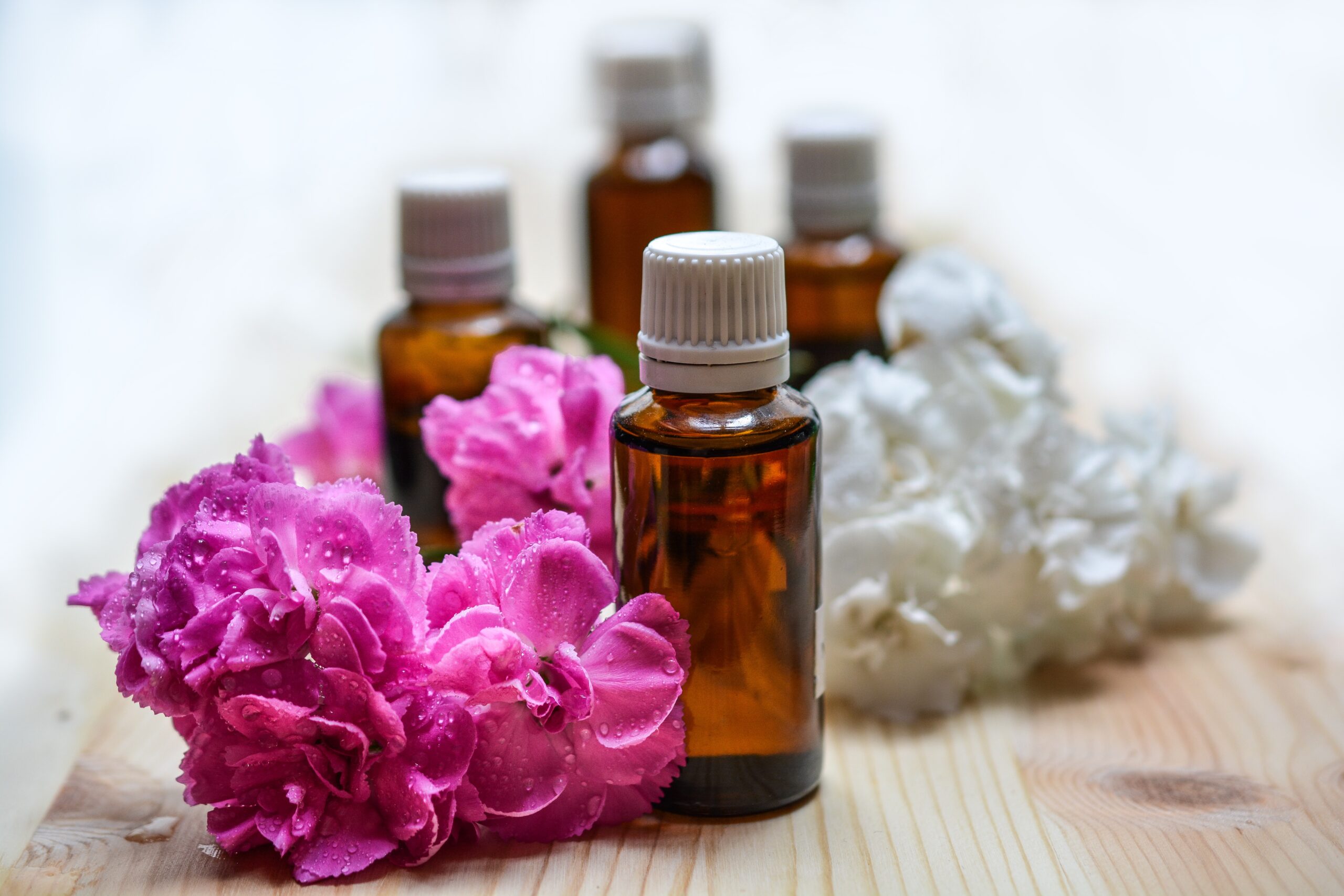
Amidst this maelstrom, humanity has perennially sought solace and healing in nature. From ancient shamans to contemporary wellness gurus, the earth’s bounty has offered a balm for both physical and spiritual ailments. Among these natural remedies, one particular lineage stands out for its delicate yet profound power: floral aromatherapy. It is a world where the ephemeral beauty of a blossom transcends its visual appeal, carrying within its fragrant essence a potent blueprint for calm, resilience, and emotional equilibrium. This is the story of "Petal Power" – how the concentrated life force of flowers, meticulously distilled into essential oils, offers a sophisticated and deeply effective pathway to combat the insidious grip of modern anxiety.
This article aims to tell the story of this profound connection, delving into the science, the history, the specific floral allies, and the practical application of aromatherapy, all while acknowledging the nuanced landscape of modern mental health. For the knowledgeable seeker, we will explore not just the "what," but the "how" and "why," inviting a deeper understanding and a more intentional engagement with this ancient art form.
The Anatomy of Modern Anxiety: A System Overloaded
To appreciate the nuanced intervention of floral aromatherapy, we must first understand the adversary: modern anxiety. It is distinct from acute fear, which is a healthy, transient response to immediate danger. Modern anxiety is often a chronic, diffuse state, a low-grade hum of worry that pervades daily life, even in the absence of an immediate threat.
Its Roots are Multifaceted:
- Digital Deluge and Information Overload: We are constantly bombarded with news, opinions, and demands. The brain, designed to process a finite amount of information, is perpetually overstimulated, leading to decision fatigue and cognitive overwhelm.
- Social Comparison and Performance Pressure: Social media platforms, while connecting us, also foster an environment of constant comparison. The curated perfection of others creates unrealistic benchmarks, fueling feelings of inadequacy and the relentless pressure to "do more," "be more."
- Economic Instability and Future Uncertainty: Global markets, political shifts, and environmental concerns contribute to a pervasive sense of precarity, making long-term planning feel impossible and generating chronic worry about the future.
- Erosion of Community and Connection: Despite hyper-connectivity, many experience profound loneliness. The absence of strong social bonds, once a primary human buffer against stress, leaves individuals feeling isolated and unsupported.
- The "Hustle Culture" Mandate: The glorification of busyness and productivity often comes at the expense of rest, reflection, and leisure. Burnout is not just common; it’s often seen as a badge of honor, further entrenching patterns of stress.
The Physiological Fallout:
This chronic state of psychological alert translates directly into physiological dysfunction. The Hypothalamic-Pituitary-Adrenal (HPA) axis, our body’s central stress response system, becomes dysregulated. Instead of a quick spike and return to baseline, cortisol levels remain elevated. This leads to:
- Chronic Inflammation: A root cause of numerous physical and mental health issues.
- Neurotransmitter Imbalance: Depletion of serotonin (mood, sleep), GABA (calm, relaxation), and dopamine (motivation, pleasure), while adrenaline and noradrenaline remain high.
- Digestive Issues: The "fight or flight" response diverts resources from digestion.
- Sleep Disturbances: Difficulty falling asleep, staying asleep, or achieving restorative deep sleep.
- Cardiovascular Strain: Elevated heart rate and blood pressure.
Conventional approaches to anxiety, such as psychotherapy and medication, are invaluable. However, many individuals seek complementary tools that empower them to actively participate in their healing, offering gentle, non-invasive support that addresses the whole person. This is where the profound intelligence of floral aromatherapy enters the narrative.
The Silent Language of Scent: How Aromatherapy Speaks to Our Brain
The power of essential oils isn’t merely anecdotal; it’s rooted in sophisticated neurobiological and biochemical pathways. Our sense of smell, often underestimated, is our most primal sense, directly wired to the emotional and memory centers of the brain.
The Olfactory Pathway: A Direct Route to the Soul
When we inhale the scent of a flower’s essential oil, volatile organic compounds (VOCs) journey through a remarkable pathway:
- Nasal Cavity: Scent molecules enter the nostrils and dissolve in the moist lining of the olfactory epithelium, which contains millions of specialized olfactory receptor neurons.


Post Comment