Physical Therapy for Performance: Beyond Recovery – The Athlete’s Blueprint for Peak Potential
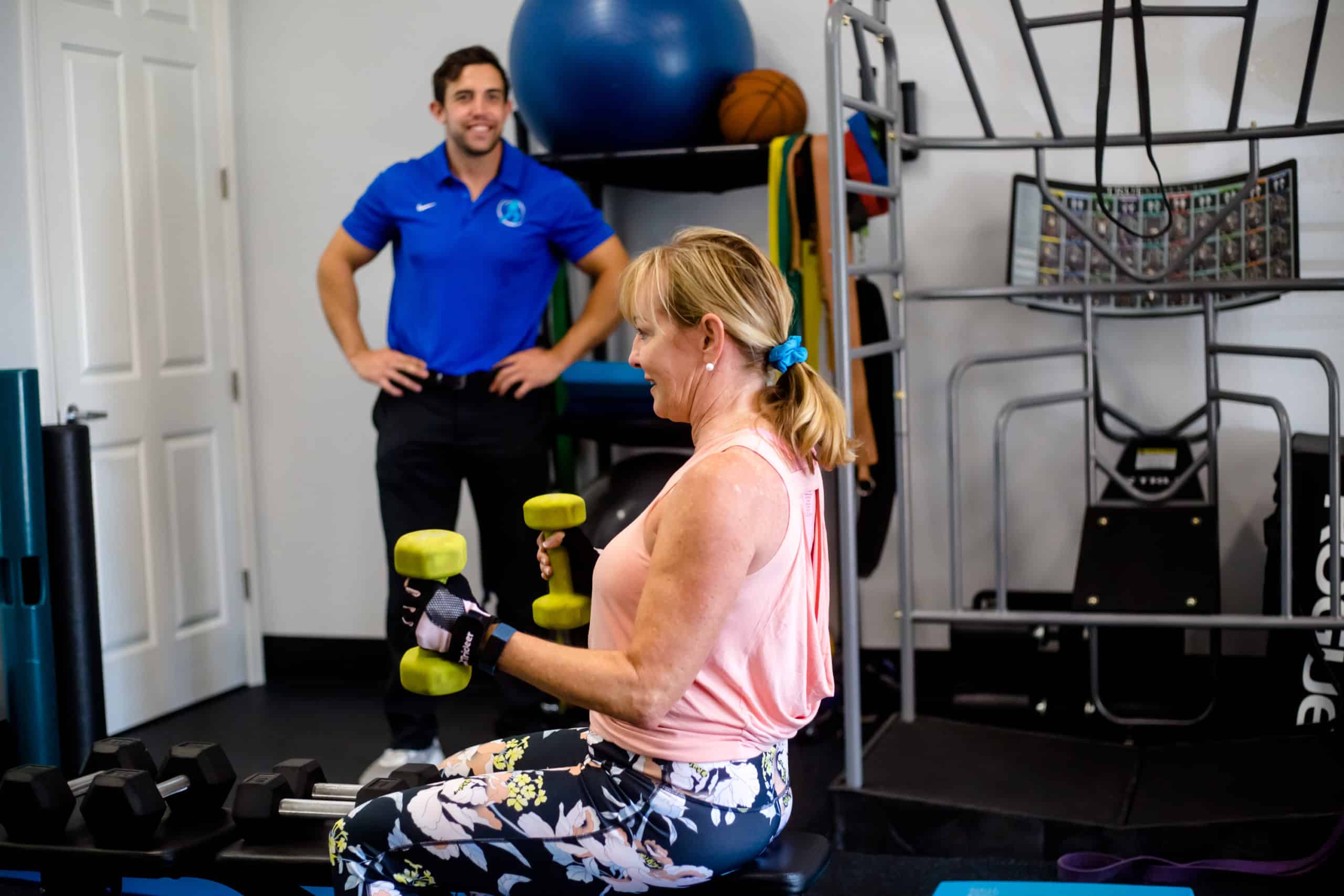
The human body, in its athletic pursuit, is a marvel of intricate engineering. From the explosive power of a sprinter to the nuanced balance of a gymnast, every movement is a symphony of muscle, bone, and nerve. Yet, for too long, the role of physical therapy in this grand orchestra has been largely relegated to that of a repair crew, called in only when a critical component breaks down. The common narrative paints physical therapists as healers of the injured, guides through the arduous journey back from pain and dysfunction. While this vital role remains, it represents only a fraction of the profound impact physical therapy can have on an athlete’s journey.
Imagine, for a moment, an architect designing a skyscraper. Would they wait for the building to show signs of structural fatigue before considering its foundational integrity or the efficiency of its internal systems? Of course not. They would meticulously plan, optimize, and reinforce every aspect from the ground up, ensuring not just resilience but peak operational capacity. In the realm of human performance, the physical therapist is that architect, and the athlete’s body is the magnificent structure.
This article delves into a paradigm shift, exploring how physical therapy transcends mere rehabilitation to become an indispensable component of performance optimization, injury prevention, and the relentless pursuit of peak potential. For the knowledgeable athlete, coach, or enthusiast, this is everything you need to know about harnessing the science of movement to build an exceptional, resilient, and high-performing physique. This is the story of how physical therapy, far from being just a safety net, is the blueprint for athletic excellence.
The Paradigm Shift: From Reactive Repair to Proactive Optimization
The traditional view of physical therapy, often ingrained in public consciousness, positions it as a post-injury intervention. An athlete tears a ligament, suffers a stress fracture, or experiences chronic tendonitis, and only then is referred to a physical therapist. The goal is clear: alleviate pain, restore range of motion, regain strength, and facilitate a safe return to sport. While undeniably crucial, this reactive model often overlooks the underlying dysfunctions, inefficiencies, and biomechanical weaknesses that contributed to the injury in the first place. It’s like fixing a leaky roof without ever inspecting the foundation or the plumbing.
The modern reality of performance physical therapy, however, is a proactive, integrated, and holistic discipline. It acknowledges that every athlete, regardless of their current health status, possesses unique movement patterns, strengths, and vulnerabilities. These elements, when left unaddressed, can not only predispose them to injury but also cap their performance ceiling. Performance physical therapy seeks to identify and address these factors before they manifest as pain or plateaus, transforming potential weaknesses into sources of untapped power and resilience.
What distinguishes performance physical therapy from general rehabilitation? It’s a specialized field that blends deep knowledge of biomechanics, exercise physiology, motor control, and sport-specific demands. A performance physical therapist isn’t just looking at a knee; they’re analyzing how the entire kinetic chain—from foot strike to hip rotation to core stability—influences that knee during a sprint, a jump, or a swing. Their focus extends beyond pain relief to include measurable improvements in power, speed, agility, endurance, and overall movement economy. They are not merely restoring function; they are optimizing it.
This shift has been driven by several factors: an increasingly sophisticated understanding of human movement, advancements in diagnostic technologies, the integration of data-driven approaches in sports science, and a growing recognition that true peak performance requires a foundation of optimal movement. Athletes and their support teams are realizing that investing in proactive physical therapy is not an expense, but an investment in longevity, consistent performance, and the unlocking of latent athletic potential.
The Core Pillars of Performance Physical Therapy: Building the Exceptional Athlete
To understand how performance physical therapy operates, we must explore its fundamental pillars. These aren’t isolated components but interconnected strategies that weave together to form a comprehensive approach to athletic development.
1. Comprehensive Assessment: The Foundation of Excellence
Every masterpiece begins with a meticulous blueprint, and every athletic journey towards peak performance starts with a comprehensive assessment. This goes far beyond a cursory examination of a symptomatic area. A performance physical therapist conducts an exhaustive evaluation of the entire kinetic chain, recognizing that the site of pain is often merely a victim of dysfunction elsewhere.
Beyond the Injury Site: If an athlete presents with shoulder pain, a general therapist might focus solely on the shoulder. A performance PT, however, would evaluate the thoracic spine mobility, scapular stability, hip rotation, and even ankle dorsiflexion, understanding that limitations in any of these areas can alter overhead mechanics and overload the shoulder.
Movement Analysis: This is perhaps the most critical component. Utilizing a blend of clinical observation, standardized screens (like the Functional Movement Screen or Selective Functional Movement Assessment), and advanced technological tools (e.g., high-speed video analysis, force plates, motion capture systems), the therapist meticulously breaks down an athlete’s movement patterns. They look for:
- Asymmetries: Is one side stronger or more mobile than the other?
- Compensations: Are other body parts overworking to make up for a weakness or restriction elsewhere?
- Inefficiencies: Are movements costing the athlete unnecessary energy or putting undue stress on joints?
- Sport-Specific Mechanics: For a runner, they’ll analyze gait cycle, foot strike, stride length, and cadence. For a basketball player, they’ll scrutinize jump mechanics, landing patterns, and cutting ability. For a swimmer, stroke analysis is paramount. This detailed analysis pinpoints the exact biomechanical flaws that could be limiting performance or increasing injury risk.
Strength & Power Testing: Objective measures are key. This includes:
- Isokinetic Dynamometry: Measures joint strength at specific speeds, revealing imbalances.
- Force Plates: Assess ground reaction forces, jump height, power output, and landing mechanics.
- Jump Tests: Vertical jump, broad jump, single-leg hops provide insight into explosive power and unilateral stability.
- Manual Muscle Testing: Identifies specific muscle weaknesses.
Mobility & Flexibility: While often conflated, mobility (active range of motion and joint health) is distinct from flexibility (muscle extensibility). The assessment determines if an athlete has adequate range of motion at critical joints (e.g., hip internal rotation for a baseball pitcher, ankle dorsiflexion for a weightlifter) and if their tissues are supple enough to allow for optimal movement without restriction.
Neuromuscular Control & Proprioception: This assesses the body’s ability to sense its position in space and react appropriately. Balance tests (single-leg stance, Y-balance test), stability drills, and reaction-time assessments reveal how well the nervous system is communicating with the musculoskeletal system. Poor proprioception is a major risk factor for sprains and instability.




Post Comment