The Humble Grain, The Silent Guardian: How Brown Rice Becomes a Cholesterol-Lowering Champion
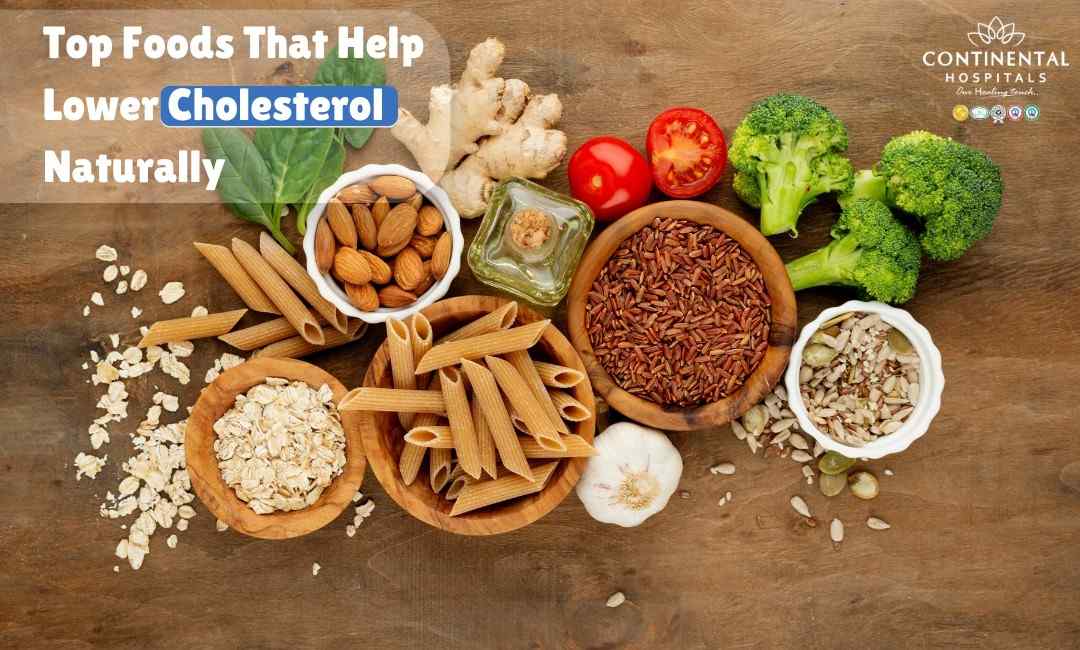
In the intricate tapestry of human health, where modern lifestyles often weave threads of chronic disease, there exists a quiet, unassuming hero. It doesn’t promise miraculous cures overnight, nor does it demand drastic sacrifices. Instead, it offers a gentle, sustained hand in the battle against one of the most pervasive silent threats of our time: high cholesterol. This hero, often relegated to the background in favor of more glamorous superfoods, is brown rice – a simple grain with a profound story to tell, a narrative deeply rooted in science and a testament to nature’s enduring wisdom.
Our journey begins not with the grain itself, but with the silent struggle many face. Imagine a world where the very fuel that sustains life, our food, can, over time, subtly clog the vital pathways within us. This is the reality of high cholesterol, a condition that often presents no symptoms until it’s too late, a stealthy adversary contributing to heart disease, strokes, and a diminished quality of life. For decades, the medical community has grappled with this challenge, prescribing medications, advocating lifestyle changes, and constantly seeking natural, sustainable solutions. It is within this quest that brown rice steps into the spotlight, not as a fleeting trend, but as a time-honored staple, brimming with an arsenal of compounds designed to protect and restore.
The Silent Threat: Unmasking Cholesterol’s Dual Nature
Before we delve into the wonders of brown rice, it’s crucial to understand the foe it confronts. Cholesterol, despite its villainous reputation, is not inherently evil. It’s a waxy, fat-like substance vital for building healthy cells, producing hormones, and aiding digestion. Our bodies produce all the cholesterol we need, but we also ingest it from animal products. The problem arises when there’s an imbalance, particularly an excess of "bad" cholesterol.
We talk about two main types: Low-Density Lipoprotein (LDL) and High-Density Lipoprotein (HDL). Think of them as delivery trucks and garbage trucks. LDL particles are the delivery trucks, carrying cholesterol from the liver to cells throughout the body. When there are too many LDL trucks, they can deposit their cargo, cholesterol, onto the walls of your arteries. Over time, these deposits, known as plaque, harden and narrow the arteries, a process called atherosclerosis. This narrowing restricts blood flow, increasing the risk of heart attacks and strokes. This is why LDL is often dubbed "bad" cholesterol.
HDL particles, on the other hand, are the garbage trucks. They pick up excess cholesterol from the arteries and transport it back to the liver, where it’s processed and removed from the body. A higher level of HDL is generally considered beneficial, as it helps keep arteries clear.
The ideal scenario is a healthy balance: low LDL, high HDL. But modern diets, rich in saturated and trans fats, coupled with sedentary lifestyles, often tilt this balance precariously, leading to elevated LDL and total cholesterol levels. This is where the story of brown rice truly begins, as it offers a multi-pronged approach to restoring this delicate equilibrium.
Enter the Whole Grain Hero: The Unassuming Power of Brown Rice
Brown rice, at first glance, seems no different from its refined cousin, white rice. Yet, beneath its unassuming exterior lies a world of nutritional superiority. The key difference lies in how it’s processed.
Every grain of rice, in its natural state, consists of three main parts:
- The Bran: This is the tough outer layer, rich in fiber, antioxidants, and B vitamins. It gives brown rice its characteristic color and chewy texture.
- The Germ: The embryo of the grain, packed with nutrients like B vitamins, vitamin E, minerals, and healthy fats. This is the part that could sprout into a new plant.
- The Endosperm: The largest part of the grain, primarily composed of carbohydrates (starch) and some protein. This is the primary energy source.
When white rice is produced, the milling process strips away the bran and the germ, leaving only the starchy endosperm. This results in a quicker cooking time and a softer texture, but at a significant nutritional cost. Brown rice, however, retains its bran and germ, preserving a wealth of health-promoting compounds that are instrumental in its cholesterol-lowering capabilities. It is this intact structure, this commitment to wholeness, that transforms a simple carbohydrate into a powerful ally for cardiovascular health.
The Mechanisms of Action: How Brown Rice Works Its Magic
The story of brown rice’s cholesterol-lowering prowess isn’t a simple one; it’s a symphony of synergistic actions, where various compounds work in concert to achieve a common goal.
1. The Mighty Fiber: Nature’s Internal Scrubber
Perhaps the most well-known hero in brown rice’s arsenal is its dietary fiber. Brown rice contains significantly more fiber than white rice – roughly three to four times as much. But not all fiber is created equal, and brown rice offers a beneficial blend of both soluble and insoluble fiber.
-
Soluble Fiber: The Cholesterol Binder
Soluble fiber, as its name suggests, dissolves in water to form a gel-like substance. When this gel forms in your digestive tract, it performs a crucial task: it binds with bile acids. Bile acids, produced by the liver, are essential for digesting fats, and they are made from cholesterol. When soluble fiber binds to these bile acids, it prevents their reabsorption into the bloodstream and ensures their excretion from the body.
Think of it this way: your body needs a constant supply of bile acids. When soluble fiber removes them, the liver has to work harder to produce new ones. To do this, the liver draws more cholesterol out of the bloodstream, effectively lowering circulating LDL cholesterol levels. This is a direct and highly effective mechanism for reducing "bad" cholesterol. Moreover, this gel also slows down the absorption of dietary fats and cholesterol from the intestine, giving your body less opportunity to absorb them into your system. -
Insoluble Fiber: The Gut Health Promoter
While insoluble fiber doesn’t directly bind cholesterol in the same way, it plays a vital supporting role. It adds bulk to your stool, promoting regular bowel movements and preventing constipation. This increased transit time means that waste products, including any unabsorbed cholesterol and toxins, are moved out of the body more efficiently. A healthy, functioning digestive system is fundamental to overall health, and by keeping things moving, insoluble fiber indirectly contributes to a body less burdened by waste and more capable of managing its cholesterol. It also fosters a healthy gut microbiome, which is increasingly understood to have a complex interplay with cholesterol metabolism and overall cardiovascular health.


Post Comment