The Comfort Carb: How Sticky Rice Supports Gut Health and Immunity
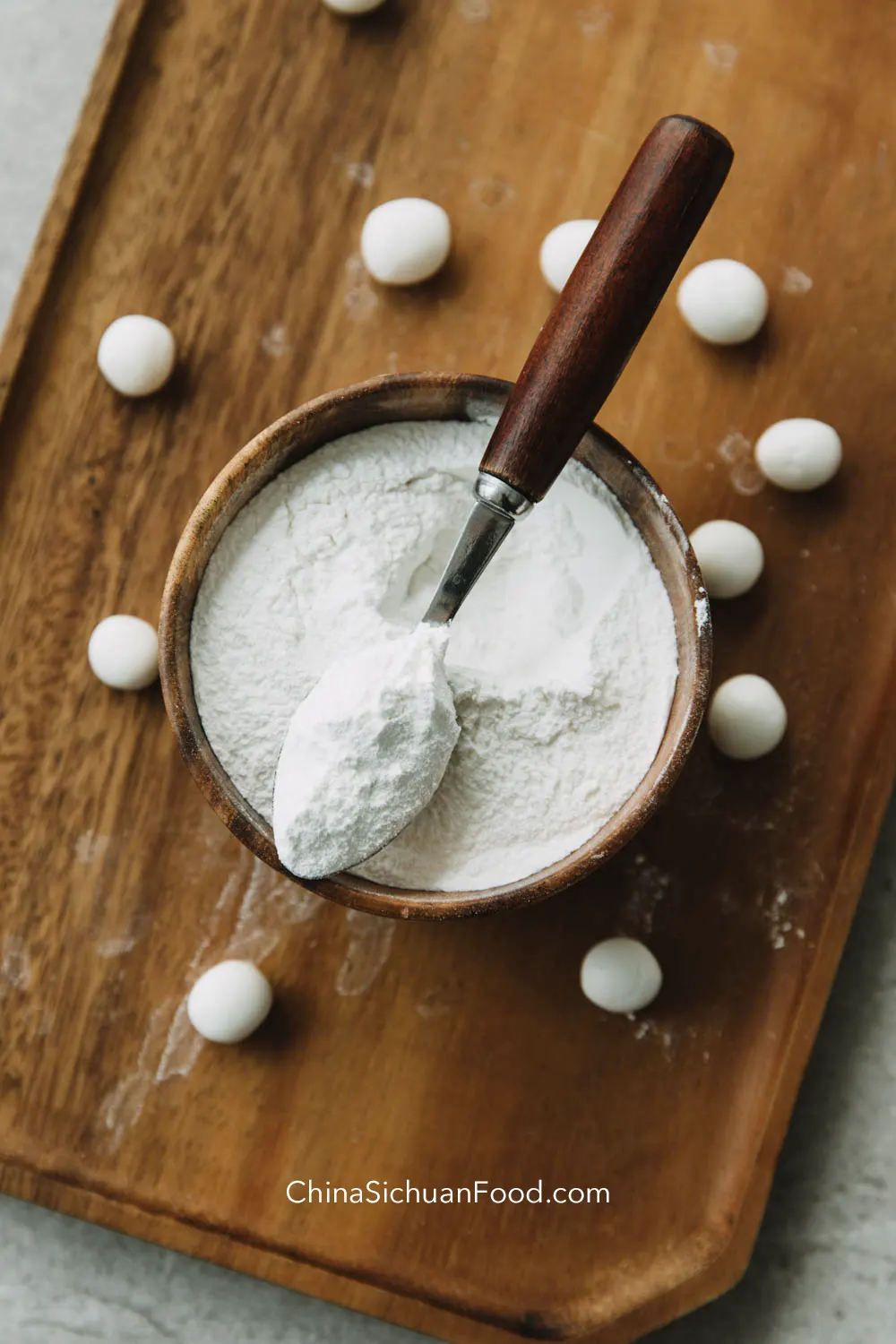
A Culinary Overture: The Whispers of Ancient Grains
There are few culinary experiences as universally comforting as a warm bowl of rice. But among the myriad varieties, one stands apart, not just for its unique texture, but for its profound, often-underestimated contributions to our well-being: sticky rice. Known by many names – glutinous rice, sweet rice, khao niao in Laos and Thailand, mochi-gome in Japan – this humble grain transcends its simple carbohydrate label. It is a staple, a celebration, and for the discerning palate, a story whispered through generations.
For many, the first encounter with sticky rice is a revelation. Its translucent kernels, when steamed to perfection, coalesce into a cohesive, yielding mass – each grain clinging to its brethren, offering a tender resistance before dissolving on the tongue. It is this very "stickiness," often misunderstood or even dismissed in the carb-phobic narratives of modern nutrition, that holds the key to its power. Far from being merely a source of quick energy, sticky rice, when appreciated for its unique composition and cultural context, emerges as a sophisticated ally for two pillars of human health: the gut and the immune system.
This article embarks on a journey, peeling back the layers of perception to reveal the intricate science and rich history behind the comfort carb. We will delve into the molecular architecture of sticky rice, explore its dynamic interaction with our internal ecosystem – the gut microbiome – and uncover how this ancient grain orchestrates a symphony of support for our innate defenses. This is not just a tale of food; it is a story of tradition meeting cutting-edge science, a testament to how the simplest ingredients can harbor the most profound benefits, especially for those ready to listen.
Part I: The Soul of the Grain – Unpacking the "Sticky" Secret
To understand sticky rice’s impact, we must first understand its identity. Unlike its long-grain or medium-grain counterparts, glutinous rice is characterized by a distinctive starch profile. All rice, indeed all grains, are primarily composed of starch, which is a complex carbohydrate made up of glucose units. However, starch exists in two main forms: amylose and amylopectin.
Amylose is a linear, unbranched chain of glucose molecules. It packs tightly, making it more resistant to digestion and contributing to a drier, fluffier texture in rice (think basmati or jasmine).
Amylopectin, on the other hand, is a highly branched molecule. Its intricate, tree-like structure allows it to absorb water readily and swell considerably during cooking. When cooked, these branched chains intertwine and gel, creating the characteristic stickiness, chewiness, and opaque appearance.
Sticky rice earns its name because it is almost entirely composed of amylopectin – typically 90-100%, compared to other rice varieties that might have 15-30% amylose. This unique amylopectin dominance is what gives it its distinct textural properties: the soft, chewy, cohesive quality that makes it so satisfying to eat with one’s hands, so perfect for molding into shapes, and so culturally significant across Asia.
Historically, this unique texture has been revered. In Southeast Asia, particularly in countries like Laos, Thailand, and Vietnam, sticky rice isn’t just a side dish; it’s the heart of the meal. Eaten with bare hands, it serves as a natural utensil, scooping up curries, grilled meats, and vibrant salads. In Japan, it’s transformed into mochi, a ceremonial and everyday food, pounded into various forms. Its cultural omnipresence speaks to a deeper understanding, an intuitive recognition of its sustenance and comforting qualities, long before the advent of microbiology and nutritional science.
Yet, this very stickiness, this abundance of easily digestible amylopectin, has historically raised eyebrows in some modern dietary circles. Often associated with a higher glycemic index (GI), sticky rice has sometimes been relegated to the "less healthy" carb category. This simplistic view, however, overlooks a crucial, nuanced interaction that occurs not just in the cooking pot, but within the intricate ecosystem of our gut. The story of sticky rice is not just about its immediate caloric impact, but about its profound, downstream effects on our internal landscape.
Part II: The Gut Symphony – How Sticky Rice Feeds Our Inner Garden
The human gut is a marvel of biological engineering – a complex, dynamic ecosystem teeming with trillions of microorganisms collectively known as the gut microbiome. Far from being passive inhabitants, these bacteria, fungi, and viruses play an active, indispensable role in our health, influencing everything from digestion and nutrient absorption to mood and, critically, immune function. A healthy, diverse microbiome is the bedrock of holistic well-being.
Within this bustling metropolis, certain dietary components act as vital fuel sources, shaping the composition and activity of its residents. Among these, fermentable fibers and starches are paramount. This is where sticky rice, despite its high amylopectin content, steps onto the stage as a surprisingly potent player.
The Role of Resistant Starch (RS): A Post-Cooking Transformation
While freshly cooked sticky rice is indeed rapidly digested due to its high amylopectin, a remarkable transformation occurs upon cooling. This phenomenon, known as starch retrogradation, converts some of the digestible starch into resistant starch (RS).
Resistant starch, as its name suggests, "resists" digestion in the small intestine. Instead, it travels largely intact to the large intestine, where it becomes a prized food source for beneficial gut bacteria. There are several types of resistant starch, and the type formed by cooling cooked starches like sticky rice is primarily RS Type 3.
Imagine the highly branched amylopectin molecules in hot, freshly cooked sticky rice as being spread out and easily accessible to digestive enzymes. As the rice cools, these amylopectin molecules reorganize and recrystallize, forming more compact, less accessible structures. This physical change makes them "resistant" to enzymatic breakdown in the upper digestive tract.
This retrogradation is not unique to sticky rice, but its high amylopectin content means that even a modest percentage of conversion can yield a significant amount of fermentable substrate. This cooled sticky rice, therefore, acts as a prebiotic – a non-digestible food ingredient that selectively stimulates the growth and/or activity of one or a limited number of beneficial bacteria in the colon.
The Magic of Fermentation: Short-Chain Fatty Acids (SCFAs)
When beneficial gut bacteria feast on resistant starch and other fermentable fibers, they produce a range of metabolites, the most significant of which are short-chain fatty acids (SCFAs). These SCFAs – primarily acetate, propionate, and butyrate – are not mere waste products; they are powerful signaling molecules and energy sources that exert profound effects throughout the body.
-
Butyrate: The Star Player: Among the SCFAs, butyrate often takes center stage. It is the preferred energy source for the colonocytes (the cells lining the colon), fueling their health and integrity. A robust colon lining is critical for maintaining the gut barrier, preventing the leakage of toxins and undigested food particles into the bloodstream (a condition often referred to as "leaky gut"). Butyrate also possesses potent anti-inflammatory properties, dampening inflammatory responses within the gut and throughout the body. It helps regulate cell growth, potentially offering protection against colorectal cancer, and plays a role in gene expression.
-
Acetate and Propionate: While butyrate primarily benefits the colon, acetate and propionate are absorbed into the bloodstream and travel to other organs. Acetate is a precursor for cholesterol synthesis and lipogenesis (fat formation), but also plays a role in energy metabolism. Propionate is primarily metabolized in the liver, where it can influence glucose production and appetite regulation.


Post Comment