Taro vs. Potato: Why This Purple Root is the Clear Nutritional Winner
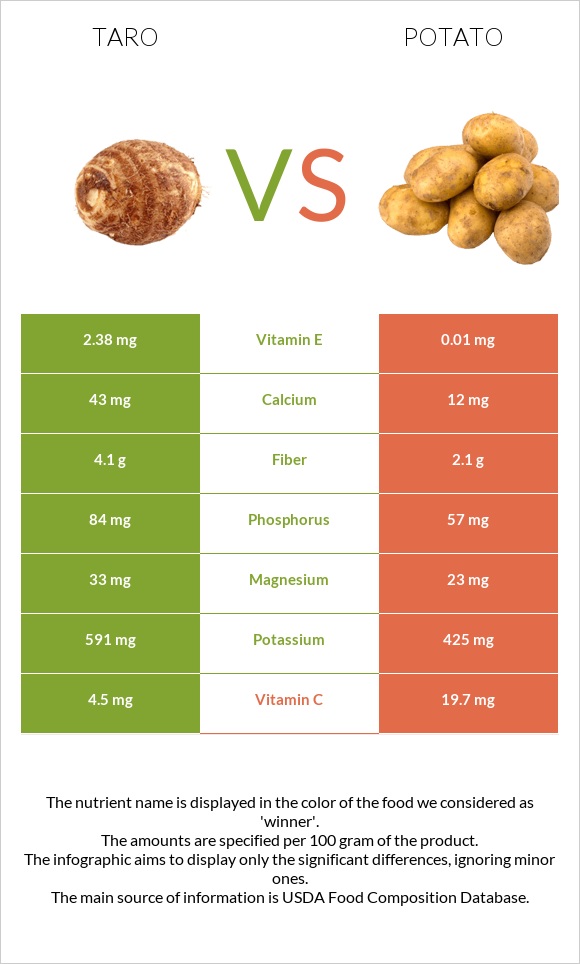
In the grand tapestry of human sustenance, few ingredients have achieved the global ubiquity and cultural embeddedness of the humble potato. From the starchy sidekick to the main event, the potato’s journey from the rugged Andean highlands to virtually every dinner plate on Earth is a testament to its adaptability, yield, and palatable versatility. It’s the familiar friend, the comforting carbohydrate, the reliable filler that has fueled nations, spurred migrations, and even shaped political landscapes. For centuries, it has reigned supreme in the Western diet, a seemingly unchallenged monarch of the tuber kingdom.
Yet, lurking in the shadows of this global culinary spotlight, often overlooked and frequently underestimated, is another root, one with an equally ancient lineage and a far richer nutritional story to tell: taro. With its distinctive purple hues, earthy aroma, and velvety texture, taro is not merely an exotic curiosity; it is a nutritional powerhouse, a forgotten champion, a vibrant testament to the wisdom of ancestral diets that deserves not just a place at our table, but perhaps even the crown.
This isn’t merely a comparison of two starchy roots; it’s an unveiling, a re-evaluation, a journey into the heart of what truly nourishes us. We will peel back the layers of perception, examine the scientific evidence, and unearth the profound reasons why taro, this purple root steeped in history and tradition, emerges as the clear nutritional winner, challenging the potato’s long-held dominance and inviting us to reconsider our staples.
Historical & Cultural Roots: A Tale of Two Tubers
To truly appreciate the nutritional narratives of taro and potato, one must first understand their historical and cultural trajectories. Their journeys from wild plants to cultivated crops reveal much about human ingenuity, adaptation, and the diverse ways different civilizations have harnessed the earth’s bounty.
The potato (Solanum tuberosum) began its epic saga in the high altitudes of the Andes Mountains, thousands of years ago. Indigenous communities in present-day Peru and Bolivia cultivated a dizzying array of varieties, adapting them to harsh climates and even developing sophisticated freeze-drying techniques (chuño) for preservation. When the Spanish conquistadors encountered the potato in the 16th century, they initially viewed it with suspicion, associating it with witchcraft and disease. It took centuries for the potato to gain acceptance in Europe, often introduced as animal fodder before gradually making its way onto human plates. Its resilience, high caloric yield, and ability to thrive in poor soils eventually made it a cornerstone of European agriculture, dramatically impacting population growth and, tragically, contributing to devastating famines like the Irish Potato Famine when monoculture led to crop blight. Today, the potato is the fourth-largest food crop in the world, a truly global phenomenon, its identity intertwined with countless national cuisines.
The story of taro (Colocasia esculenta), by contrast, is one of ancient wisdom, deep spiritual reverence, and a profound connection to the land and water. Believed to have originated in Southeast Asia or India, taro is one of the oldest cultivated crops, with evidence of its use dating back over 10,000 years. From its origins, it spread eastward across the vast expanse of the Pacific Ocean, carried by intrepid Polynesian navigators who understood its vital role in sustaining life on remote islands. In Hawaii, taro, or kalo, is not just food; it is sacred, considered the elder brother of humanity in their creation myths. The laborious process of transforming taro into poi, a fermented paste, was a communal act, essential for survival and a symbol of cultural identity. Across the Pacific, in regions like Fiji, Samoa, and Tonga, taro remains a foundational food, celebrated in feasts and everyday meals alike. In parts of Africa and the Caribbean, it’s known as cocoyam or dasheen, a staple providing sustenance and a link to ancestral traditions. Unlike the potato, which often became a monocultural workhorse, taro’s cultivation often emphasized sustainable practices, reflecting a deep respect for the ecosystem. This ancient reverence for taro hints at an intuitive understanding of its profound nutritional value, long before modern science could articulate it.
The Macronutrient Showdown: Fueling the Body
When we talk about food as fuel, we primarily refer to macronutrients: carbohydrates, proteins, and fats. While both taro and potato provide essential energy, the quality and composition of these macronutrients present a stark contrast, particularly in how they interact with our bodies.
Carbohydrates: Quantity vs. Quality
Both taro and potato are rich in carbohydrates, their primary role being energy provision. However, the nature of these carbohydrates is where the first major distinction lies.
-
Potato: Predominantly composed of starch, a complex carbohydrate that, upon digestion, breaks down rapidly into glucose. The type of starch in potatoes (amylose and amylopectin) varies, but generally, cooked potatoes, especially common varieties like Russet or Idaho, have a relatively high glycemic index (GI). This means they cause a rapid spike in blood sugar levels, followed by a subsequent crash, which can contribute to energy fluctuations, cravings, and, over time, increased risk for insulin resistance and type 2 diabetes. While cooling cooked potatoes can increase their resistant starch content, this effect is often overlooked in typical consumption patterns.
-
Taro: Also rich in carbohydrates, but with a significantly different profile. Taro boasts a higher proportion of resistant starch compared to most potato varieties. Resistant starch, as the name suggests, resists digestion in the small intestine and instead ferments in the large intestine. This fermentation process produces short-chain fatty acids (SCFAs) like butyrate, which are crucial for gut health, nourishing beneficial gut bacteria, strengthening the gut barrier, and even playing a role in immune function and mood regulation. This means taro provides a slower, more sustained release of energy, preventing the sharp blood sugar spikes and crashes associated with high-GI foods. For individuals managing diabetes or seeking stable energy levels, taro’s carbohydrate profile is a clear advantage.
Protein: A Supporting Role
Neither taro nor potato are considered primary protein sources, but they do contribute to daily intake, especially in diets where they are staples.
-
Potato: Contains a modest amount of protein, typically around 2 grams per 100 grams, with some variation between varieties. Its protein quality is decent, but not complete, meaning it doesn’t contain all essential amino acids in optimal proportions.
-
Taro: Offers a slightly higher protein content than potatoes, often around 3-4 grams per 100 grams, again depending on the specific variety. While still not a protein powerhouse, this marginal increase, combined with its overall nutritional density, makes it a slightly more significant contributor to protein needs in a plant-based diet.


Post Comment