Resistant Starch 101: How Taro Helps Fuel Your Microbiome
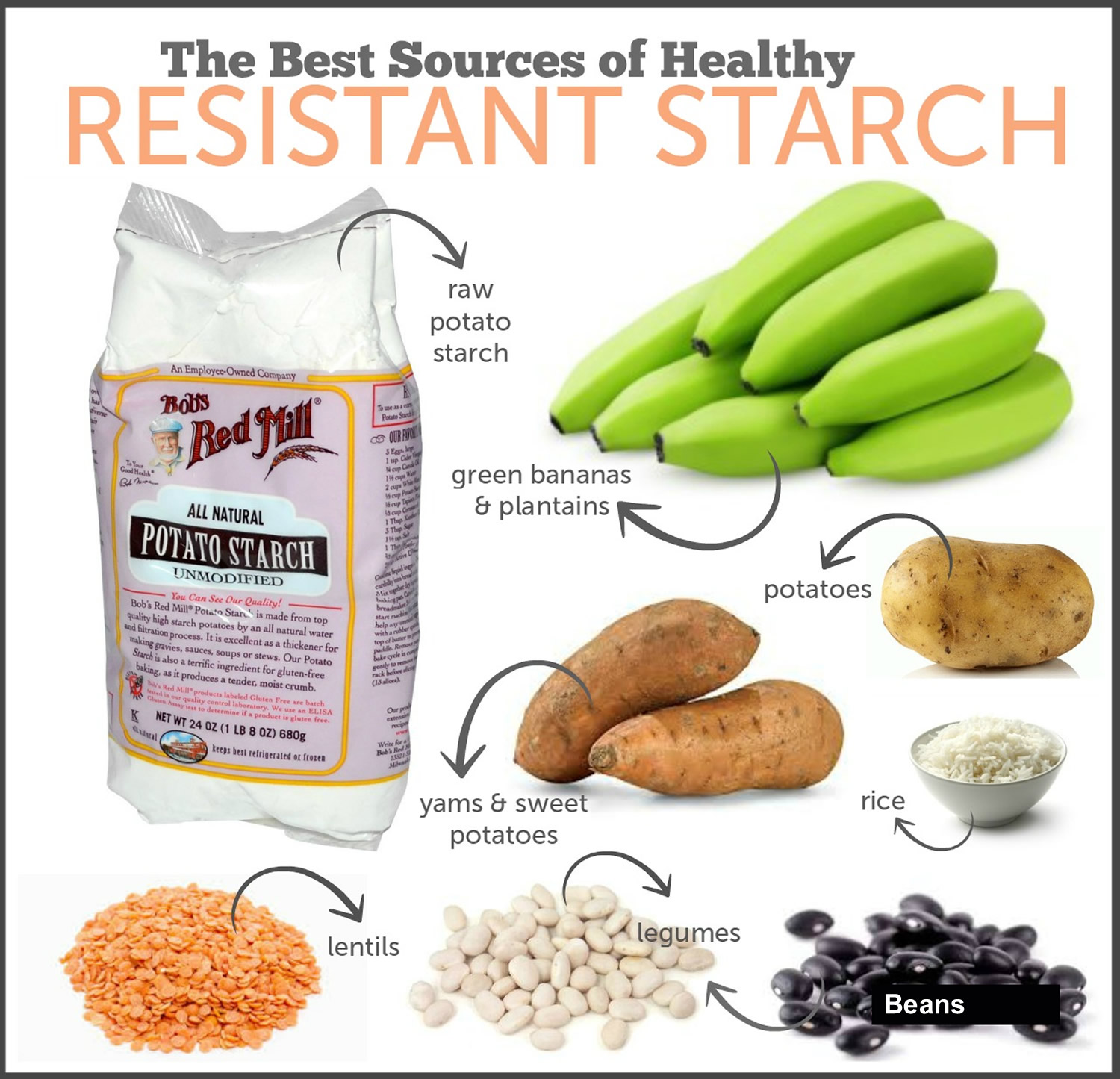
The Invisible Garden: Nurturing Our Inner Universe
Imagine a bustling, intricate garden thriving within you, a microscopic metropolis teeming with life, constantly working, communicating, and influencing nearly every aspect of your well-being. This isn’t a whimsical metaphor; it’s the reality of your gut microbiome, an ecosystem of trillions of bacteria, fungi, viruses, and other microorganisms residing primarily in your large intestine. Far from being mere passengers, these microbial residents are active participants in your health, playing pivotal roles in digestion, nutrient absorption, immune system development, mood regulation, and even the prevention of chronic diseases.
Yet, in our modern world, this invaluable inner garden often goes neglected, even starved. Our diets, increasingly refined and devoid of the complex fibers our ancestors thrived on, fail to provide the essential nourishment these microbial allies need to flourish. The consequence? A less diverse, less resilient microbiome – a state known as dysbiosis – which has been linked to an alarming array of health issues, from irritable bowel syndrome and autoimmune conditions to obesity, diabetes, and even neurological disorders.
But there’s hope, a potent and often overlooked dietary hero capable of revitalizing this inner ecosystem: Resistant Starch (RS). Unlike most carbohydrates that are swiftly broken down and absorbed in the small intestine, resistant starch journeys largely untouched to the large intestine, where it becomes a gourmet feast for our beneficial gut bacteria. It’s the ultimate prebiotic, a targeted nutrient that selectively fuels the good guys, helping them multiply, produce vital compounds, and restore balance to our internal garden.
And among the diverse array of foods rich in this microbial superfood, one ancient, humble root stands out, often celebrated in traditional cultures but increasingly recognized for its profound health benefits: Taro. This article embarks on a journey to unravel the mysteries of resistant starch, explore its profound impact on human health, and illuminate why taro, a starchy tuber with a rich history and unique nutritional profile, is an exceptional ally in our quest to cultivate a thriving microbiome.
Part 1: The Gut Microbiome – Our Inner Universe
Before we dive deep into the world of resistant starch, it’s crucial to understand the landscape it nourishes. Our gut microbiome is not just a collection of germs; it’s a dynamic, complex organ in its own right, weighing as much as your brain and containing more cells than your entire body. Its influence extends far beyond mere digestion.
The Architects of Health:
- Immune System Training: A significant portion of our immune system resides in the gut. The microbiome "educates" immune cells, helping them distinguish between harmful pathogens and harmless substances, preventing overreactions (allergies, autoimmunity) and ensuring robust defense.
- Nutrient Synthesis: Our gut microbes produce essential vitamins (like K and B vitamins) that we cannot synthesize ourselves. They also help break down complex food components that our own enzymes cannot digest, releasing valuable nutrients.
- Metabolic Regulation: The microbiome influences how we store fat, respond to insulin, and extract energy from food. An imbalanced microbiome can contribute to metabolic syndrome, obesity, and type 2 diabetes.
- Brain Health and Mood: The "gut-brain axis" is a bidirectional communication highway. Gut microbes produce neurotransmitters (like serotonin, dopamine, GABA) and other signaling molecules that directly impact our mood, cognition, and stress response. Dysbiosis is increasingly linked to anxiety, depression, and neurodegenerative diseases.
- Gut Barrier Integrity: The gut lining is a single layer of cells that acts as a gatekeeper, allowing nutrients in while blocking harmful substances. A healthy microbiome strengthens this barrier, preventing "leaky gut" syndrome, where toxins and undigested food particles escape into the bloodstream, triggering inflammation.
Prebiotics vs. Probiotics: The Foundation of a Thriving Ecosystem
While probiotics (live beneficial bacteria found in fermented foods or supplements) are popular, prebiotics are arguably more fundamental.
- Probiotics: Introduce new beneficial bacteria into the gut. Think of them as planting new seedlings in your garden.
- Prebiotics: Are non-digestible food components that selectively stimulate the growth and activity of existing beneficial bacteria. They are the fertilizer and water for your garden, ensuring your existing plants thrive and multiply.
Resistant starch is a prime example of a powerful prebiotic, providing the specific fuel that our most beneficial gut inhabitants crave, transforming them into factories of health-promoting compounds.
Part 2: Unpacking Resistant Starch – The Unsung Hero
So, what exactly is resistant starch, and why is it so "resistant"?
The Definition and Its Journey:
Resistant starch is, quite simply, starch that resists digestion in the small intestine. Unlike digestible starches (like those in white bread or pasta), which are rapidly broken down into glucose by enzymes and absorbed into the bloodstream, RS bypasses this process. It travels intact through the stomach and small intestine, arriving undigested in the large intestine (colon).
The Microbial Feast:
Once in the colon, resistant starch encounters the dense population of anaerobic bacteria – microbes that thrive in an oxygen-free environment. These specialized bacteria possess the unique enzymatic machinery to ferment resistant starch. This fermentation process is where the magic truly happens, transforming the otherwise indigestible starch into a plethora of health-promoting compounds, primarily Short-Chain Fatty Acids (SCFAs).
The Power of Short-Chain Fatty Acids (SCFAs):


Post Comment