Healing Through Connection: The Role of Community in Trauma Recovery
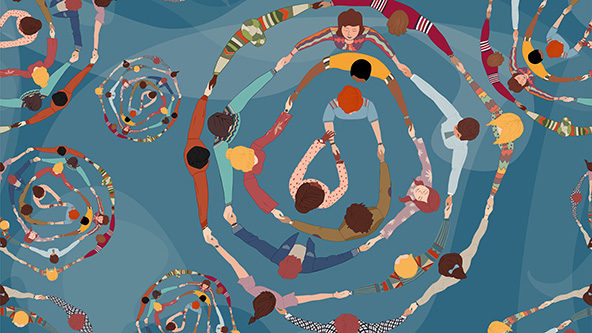
The human spirit, though resilient, is not designed to heal in isolation. When the shattering blow of trauma strikes, it often leaves behind a landscape of fractured selfhood, profound loneliness, and a haunting silence. The prevailing narrative of individual strength, while valuable, can inadvertently reinforce the belief that healing is a solitary journey, a battle fought and won within the confines of one’s own mind. Yet, countless stories, both ancient and contemporary, whisper a different truth: that recovery from trauma is profoundly, inextricably linked to the embrace of community. It is within the shared space of human connection that the invisible wounds begin to mend, the fragmented self finds integration, and the silence of suffering is replaced by the chorus of understanding.
This article delves into the intricate and vital role of community in trauma recovery, exploring how collective spaces, both formal and informal, provide the scaffolding for healing. Through a lens that blends psychological insight with narrative depth, we will journey into the heart of trauma’s isolating grip and witness the transformative power of belonging, witnessing, and co-regulation. For the knowledgeable audience, this exploration aims to articulate not just that community heals, but how it does so, drawing on the profound human need for connection as the ultimate antidote to the dismembering effects of trauma.
The Labyrinth of Trauma: When Solitude Deepens the Wound
To understand the profound necessity of community, one must first grasp the nature of trauma’s isolating power. Trauma, whether from a single catastrophic event or prolonged exposure to adversity, is not merely a memory of a bad experience. It is a profound rupture in the self, a disruption of the nervous system, and a shattering of one’s sense of safety, trust, and predictability in the world. As Bessel van der Kolk eloquently states, "The greatest sources of our suffering are the lies we tell ourselves." And often, trauma whispers the most insidious lie of all: you are alone, and no one could possibly understand.
Consider Liam, a combat veteran haunted by the cacophony of war. He returned home to a world that moved too fast, where everyday sounds became triggers, and the faces of strangers seemed to hold a judgment he couldn’t articulate. He tried to speak of the unspeakable, but the words felt hollow, inadequate, met often with well-meaning but ultimately uncomprehending platitudes. "You’re a hero," people would say, even as he felt like a broken man. The shame of his internal landscape, the fear of burdening others, and the conviction that his experiences were too horrific to share, led him to withdraw. His apartment became a fortress, his solitude a self-imposed prison. Each day, the walls between him and the world grew thicker, cementing the belief that he was an outlier, fundamentally different, and therefore, unlovable.
This is the classic trajectory of trauma’s isolating grip. The nervous system, stuck in a perpetual state of hypervigilance or hypoarousal, makes connection feel dangerous or impossible. The amygdala, the brain’s alarm center, perceives threat where none exists, pushing others away. Cognitively, trauma distorts perception, fostering a sense of helplessness, worthlessness, and a profound inability to trust. Shame, a pervasive emotion in the aftermath of trauma, convinces individuals that they are inherently flawed or responsible for what happened, driving them further into secrecy and silence.
Furthermore, trauma often involves a profound betrayal of trust, whether by an individual, an institution, or even the perceived fairness of the universe. This betrayal makes the prospect of vulnerability terrifying. To open up, to share one’s pain, is to risk further rejection, misunderstanding, or even re-traumatization. The very mechanisms designed to protect a traumatized individual – dissociation, numbing, avoidance – inadvertently sever the lifelines of connection that are essential for healing. In this internal labyrinth, the path to recovery often feels obscured, and the idea of reaching out, of connecting, can seem like an insurmountable task.
The Architecture of Belonging: How Community Becomes the Antidote
If trauma thrives in isolation, then community is its most potent antidote. It is within the architecture of belonging that the fragmented self begins to reassemble, the nervous system finds regulation, and the silent shame gives way to shared understanding. The healing power of community is multi-faceted, operating on psychological, emotional, social, and even biological levels.
1. Safety and Trust: Rebuilding the Foundation
The first and most critical component a healing community offers is safety. For individuals whose sense of security has been shattered, a consistent, predictable, and non-judgmental environment is paramount. This isn’t just physical safety, but psychological safety – the assurance that one can be vulnerable without fear of reprisal, ridicule, or further harm. Within a well-facilitated community space, clear boundaries, shared agreements, and a culture of respect slowly begin to chip away at the walls of distrust that trauma erects. As trust is tentatively extended and met with reliability, the nervous system can begin to de-escalate, moving out of its perpetual fight-flight-freeze state.
2. Validation and Witnessing: Being Seen and Believed
One of the most profound experiences for a trauma survivor is being truly seen and believed. Trauma often leaves individuals feeling invisible, their pain dismissed, or their experiences gaslighted. In a healing community, members offer the invaluable gift of witnessing. To hear another person say, "I understand," or "That sounds incredibly painful," or even just to see a nod of recognition in their eyes, can be revolutionary. This validation counters the insidious internal narrative of "it wasn’t that bad" or "I’m making it up." It affirms the reality of the experience and, crucially, the reality of the pain, thereby legitimizing the need for healing. This act of communal witnessing transforms private suffering into a shared human experience, reducing shame and fostering a sense of belonging.
3. Shared Experience and De-pathologization: "You Are Not Alone"
Perhaps the most immediate relief a community offers is the realization, "I am not alone." For so long, the survivor may have carried their burden in silence, convinced that their reactions, their fears, their emotional dysregulation, were signs of personal failing or madness. When they hear their own story echoed in the experiences of others, when they recognize their own struggles in another’s eyes, a profound sense of de-pathologization occurs. The symptoms of trauma are reframed not as personal flaws, but as understandable, often adaptive, responses to overwhelming circumstances. This shared understanding dismantles the isolation and shame, replacing it with empathy and a sense of collective resilience.
4. Co-regulation and Nervous System Support: The Biology of Connection
Beyond the psychological, community offers a vital biological benefit: co-regulation. Our nervous systems are wired to attune to one another. When a traumatized individual is in the presence of calm, regulated individuals, their own dysregulated nervous system can begin to mirror that calm. This isn’t a conscious effort; it’s an unconscious, physiological process. A gentle touch, a reassuring gaze, the steady rhythm of another’s breath – these subtle cues can help shift the survivor from hyperarousal (anxiety, panic) or hypoarousal (numbness, dissociation) towards a more regulated state. Group meditation, shared meals, or even just quiet presence in a communal space can provide consistent opportunities for the nervous system to practice returning to a state of equilibrium, slowly expanding the "window of tolerance."
5. Purpose and Agency: From Victim to Thriver
Trauma often strips individuals of their sense of agency, leaving them feeling powerless and at the mercy of their past. A healing community can re-ignite a sense of purpose and empower survivors to reclaim their agency. This can happen in various ways: by contributing to the group (e.g., sharing coping strategies, offering empathy), by participating in collective action (e.g., advocacy groups), or by finding new roles and responsibilities within a supportive network. Moving from being the recipient of help to being a source of support for others can be incredibly empowering, transforming the narrative from victimhood to one of active contribution and thriving.
6. Ritual and Shared Meaning: Crafting New Narratives
Human beings are meaning-making creatures. Trauma shatters existing narratives and can leave a void of meaninglessness. Communities often create shared rituals – whether formal ceremonies, group activities, or simply consistent meeting times – that provide structure, predictability, and a sense of shared purpose. These rituals can help mark progress, honor loss, and collectively weave new narratives of resilience, hope, and transformation. Storytelling, a cornerstone of many healing communities, allows individuals to re-author their experiences, integrating the past into a more coherent present and future.
Diverse Tapestries of Healing: Community in Action
The concept of a "healing community" is not monolithic. It manifests in countless forms, each tailored to specific needs and cultural contexts. Understanding these diverse tapestries illuminates the versatility and inherent power of collective healing.
1. Formal Support Groups and Group Therapy:
Perhaps the most recognized form, these groups, whether peer-led (like Alcoholics Anonymous, Narcotics Anonymous, or grief support groups) or professionally facilitated (like trauma-focused group therapy), offer structured environments for shared processing. In these spaces, individuals like Liam, the combat veteran, might finally find his voice in a room full of fellow soldiers who understand the language of war and its silent aftermath. The structured format, often with established guidelines and therapeutic interventions, allows for safe exploration of difficult emotions and the development of coping mechanisms within a supportive peer context. The power lies in the universality – the profound relief of realizing, "These are my symptoms, my fears, shared by others."
2. Therapeutic Communities and Residential Programs:
For more severe or complex trauma, therapeutic communities offer an immersive, 24/7 environment designed for comprehensive healing. These programs create an intentional culture where every interaction, every shared meal, every group activity, is therapeutically informed. They provide a stable, contained environment, often for extended periods, allowing individuals to practice new ways of relating, regulate their emotions, and rebuild a sense of self within a consistently supportive social fabric. The "community as method" approach means that the relationships forged within the program – with peers and staff – become central to the healing process.
3. Indigenous Healing Practices: Holistic and Relational Approaches:
Across diverse Indigenous cultures, healing has always been understood as a communal and holistic process. The Western emphasis on individual therapy often contrasts sharply with the Indigenous perspective, which recognizes that an individual’s well-being is deeply intertwined with the health of their family, community, ancestors, and the land itself. Practices like Talking Circles, Sweat Lodges, Vision Quests, and storytelling traditions are inherently communal. They foster deep connection, shared responsibility, and a sense of collective identity. For example, in a Talking Circle, each person is given sacred space to speak their truth, witnessed and held by the collective, without interruption or judgment. This process re-establishes relational harmony, strengthens cultural identity, and facilitates intergenerational healing, often addressing historical and collective traumas that permeate entire communities. These approaches inherently understand that trauma is a wound not just of the individual, but of the collective spirit.


Post Comment