Beyond the Bowl: A Deep Dive into the Micronutrients in Whole Grain Oats
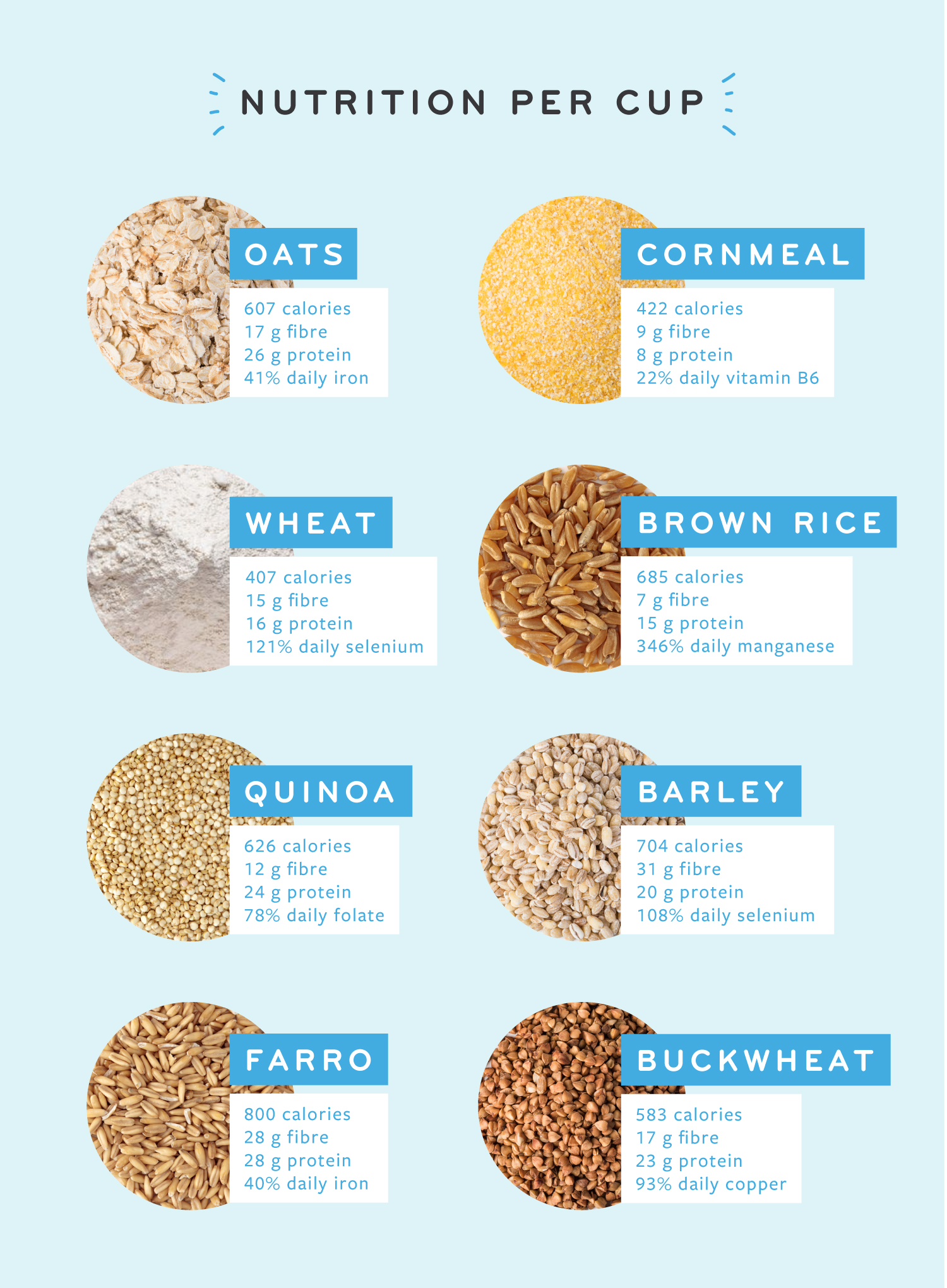
From the frosty fields where they first take root, to the warmth of our breakfast bowls, whole grain oats embark on an extraordinary journey. For centuries, this unassuming grain has been a staple, a symbol of hearty sustenance and simple goodness. Yet, for all its familiarity, the true depth of its nutritional prowess often remains hidden, obscured by the comforting steam rising from a humble serving. We speak of fiber, of course, and perhaps cholesterol reduction, but to truly understand the magic of oats is to venture beyond the bowl and embark on a microscopic expedition into its vibrant inner world – a world teeming with unsung heroes: the micronutrients.
This is not merely a list of vitamins and minerals; this is a story. A story of intricate biochemical dance, of silent guardians working in concert, and of the profound impact a single grain can have on the symphony of human health. Our audience, knowledgeable and curious, seeks to peel back the layers, to understand the ‘why’ and the ‘how’ behind the health halo of oats. Let us delve into the complex tapestry of micronutrients that make whole grain oats a veritable treasure chest of vitality.
The Unassuming Grain: A Whole Story
Before we plunge into the molecular details, it’s crucial to acknowledge the "whole grain" aspect. Unlike refined grains, which are stripped of their bran and germ, whole grain oats retain all three parts of the kernel:
- The Bran: The fibrous outer layer, rich in B vitamins, minerals, and antioxidants.
- The Germ: The embryo, packed with B vitamins, vitamin E, healthy fats, and trace minerals.
- The Endosperm: The largest part, primarily starch, but also containing protein and some vitamins and minerals.
It is this complete package, this synergistic whole, that allows oats to deliver their full spectrum of benefits. Each micronutrient we discuss is primarily housed within the bran and germ, the very parts so often discarded in processed foods.
The Mineral Orchestra: Building Blocks of Life
Imagine a meticulously tuned orchestra, each instrument playing a crucial, distinct role, yet contributing to a harmonious whole. This is the mineral profile of whole grain oats. They provide a significant array of essential minerals, vital for countless physiological processes, from bone formation to nerve transmission.
1. Manganese: The Metabolic Maestro
Often overlooked, Manganese is a true workhorse, a linchpin in metabolic processes. Whole grain oats are an exceptional source, often providing over 100% of the daily recommended intake in a single serving.
- Role: Manganese is a critical cofactor for numerous enzymes, particularly those involved in carbohydrate, amino acid, and cholesterol metabolism. It is indispensable for bone formation, supporting the development of healthy cartilage and bone structure. Furthermore, it plays a role in antioxidant defense as a component of the enzyme superoxide dismutase (SOD), which neutralizes harmful free radicals within the mitochondria, our cells’ powerhouses.
- Oat Connection: The bran layer of oats is particularly rich in manganese. Its presence ensures efficient energy production and cellular protection, contributing to sustained vitality and resilience. Without adequate manganese, the complex biochemical reactions that fuel our bodies would falter.
2. Phosphorus: The Energy Currency Architect
Phosphorus, second only to calcium in abundance in the body, is fundamental to life. Oats contribute significantly to our daily phosphorus needs.
- Role: This mineral is a key component of ATP (adenosine triphosphate), the primary energy currency of cells. It’s essential for bone and teeth formation, DNA and RNA synthesis, and maintaining proper pH balance. Phospholipids, which form the structural basis of all cell membranes, also rely on phosphorus.
- Oat Connection: Oats provide phosphorus in a readily available form, supporting every single cell in its energy transactions and structural integrity. Its contribution is subtle yet profound, underpinning our very ability to think, move, and grow.
3. Magnesium: The Master Regulator
Magnesium is often hailed as a "master regulator" due to its involvement in over 300 enzymatic reactions. Oats are a good source, contributing significantly to this often-deficient mineral.
- Role: Its functions are vast: it’s crucial for muscle and nerve function, blood glucose control, blood pressure regulation, and bone health. Magnesium is also required for energy production, protein synthesis, and DNA synthesis. It plays a vital role in relaxing muscles, including the heart muscle, and can help mitigate stress and improve sleep quality.
- Oat Connection: The magnesium in oats acts as a cellular conductor, ensuring smooth operation across multiple systems. Its presence in the germ and bran makes whole oats an excellent dietary contributor to magnesium intake, addressing a widespread nutritional gap and promoting overall physiological balance.



Post Comment