The Emerald Elixir: How Cilantro, the Humble Herb, Orchestrates Digestive Harmony and Banishes Bloating
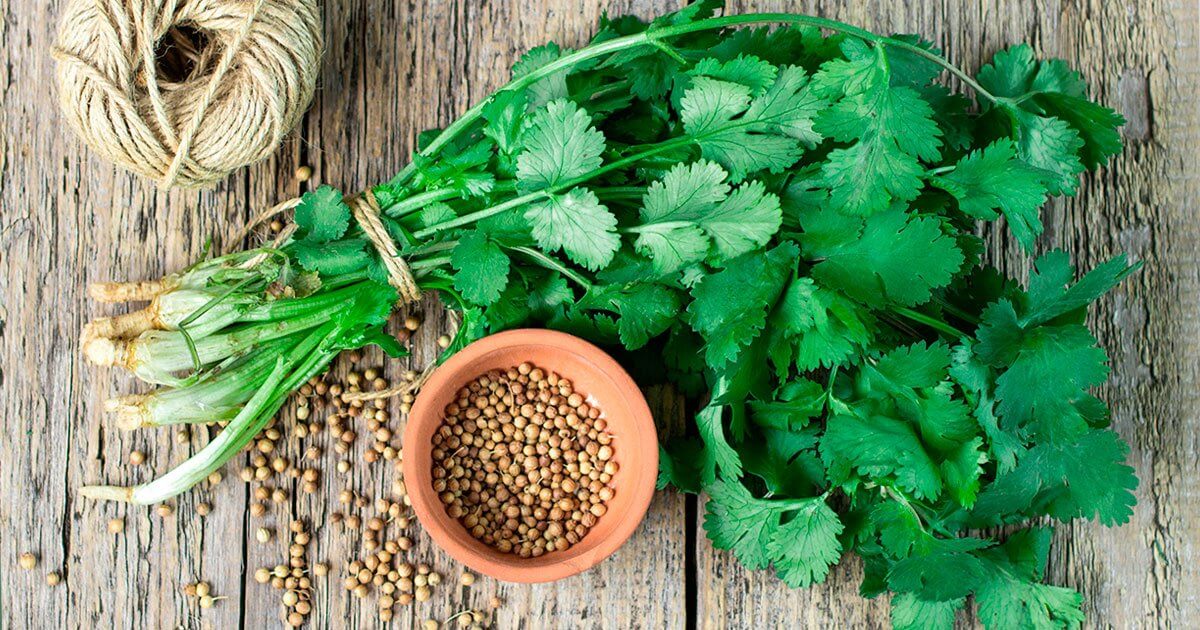
In the vibrant tapestry of global cuisine, where flavors dance and aromas tantalize, there exists a verdant leaf often relegated to a mere garnish. It’s a herb that sparks strong opinions – adored by many for its fresh, citrusy notes, and reviled by a vocal few who liken its taste to soap. Yet, beneath its unassuming exterior and the polarizing debate surrounding its flavor, cilantro (scientific name: Coriandrum sativum), also known as coriander leaves, harbors an ancient secret, a profound power to heal and harmonize one of the most vital yet often overlooked systems of the human body: the digestive tract. This isn’t just a story about a herb; it’s a narrative woven through millennia, connecting ancient wisdom with modern scientific inquiry, revealing how this emerald elixir orchestrates digestive harmony, reduces bloating, and nurtures the intricate ecosystem within us.
For too long, the discomfort of bloating, indigestion, and the myriad symptoms of a distressed gut have been normalized, accepted as an inevitable consequence of modern life. But what if the solution, or at least a significant part of it, lay not in complex pharmaceuticals but in the simple, fresh leaves of a plant that has graced our tables and medicine cabinets for centuries? This article delves deep into the multifaceted ways cilantro aids digestion, mitigates bloating, and contributes to overall gut health, unraveling the science behind its traditional uses and painting a vivid picture of its transformative potential.
The Gut: Our Inner Garden and the Root of Well-being
Before we embark on cilantro’s journey, it’s crucial to understand the landscape it seeks to nurture. Our gut is far more than a mere tube for processing food; it is a complex, bustling metropolis, an inner garden teeming with trillions of microorganisms – bacteria, viruses, fungi, and other microbes – collectively known as the gut microbiome. This intricate ecosystem, weighing as much as the human brain, plays a pivotal role in virtually every aspect of our health, from nutrient absorption and immune function to mood regulation and even cognitive performance.
When this delicate balance is disturbed, a state known as dysbiosis ensues. Pathogenic bacteria can proliferate, beneficial microbes diminish, and the gut lining, designed to be a selective barrier, can become compromised, leading to increased permeability – often termed "leaky gut." The symptoms are manifold and often debilitating: chronic bloating, gas, abdominal pain, irregular bowel movements, fatigue, skin issues, and even anxiety or depression. Bloating, in particular, is a pervasive complaint, characterized by a feeling of fullness, tightness, or swelling in the abdomen, often accompanied by visible distension. It can be caused by gas retention, impaired gut motility, food intolerances, or an imbalanced microbiome. It is into this often turbulent internal environment that cilantro steps, a silent, powerful guardian.
Cilantro’s Phytochemical Arsenal: A Symphony of Healing Compounds
Cilantro’s efficacy isn’t magic; it’s chemistry. Its distinctive aroma and potent medicinal properties stem from a rich array of bioactive compounds, a phytochemical arsenal meticulously crafted by nature. Understanding these constituents is key to appreciating how cilantro works its wonders.
1. Volatile Oils (Terpenes): The Digestive Maestros
The most celebrated components of cilantro are its volatile oils, a complex blend of terpenes that give the herb its characteristic scent and much of its therapeutic punch.
- Linalool: This monoterpene is perhaps the most significant. Linalool is a powerful antispasmodic, meaning it helps relax the smooth muscles of the digestive tract. Spasms in the gut wall can lead to cramping, pain, and contribute to the sensation of bloating by hindering the smooth passage of gas and food. By easing these contractions, linalool promotes better gut motility and reduces discomfort. It also exhibits sedative properties, which can indirectly benefit digestion by reducing stress, a known trigger for gut issues.
- Geraniol and Borneol: These compounds contribute to cilantro’s aroma and possess anti-inflammatory and antimicrobial properties, helping to soothe an irritated gut lining and combat harmful pathogens.
- Limonene: Commonly found in citrus, limonene aids in detoxification pathways and may have carminative effects, helping to expel gas.
- Carminative Action: Collectively, these volatile oils exert a potent carminative effect. Carminatives are substances that help prevent the formation of gas in the gastrointestinal tract and aid in its expulsion. They achieve this by relaxing the lower esophageal sphincter and the muscles of the digestive tract, allowing trapped gas to be released more easily. This direct action on gas accumulation is a primary reason cilantro is so effective against bloating.
2. Flavonoids: The Antioxidant and Anti-inflammatory Guardians
Cilantro is brimming with flavonoids, potent plant pigments known for their antioxidant and anti-inflammatory prowess.
- Quercetin, Kaempferol, Rhamnetin, Apigenin: These flavonoids are not only powerful scavengers of free radicals, protecting gut cells from oxidative damage, but they also modulate inflammatory pathways. Chronic low-grade inflammation in the gut is a major contributor to symptoms like bloating, pain, and altered gut permeability. By dampening this inflammatory response, cilantro helps restore gut integrity and comfort. Quercetin, in particular, has been studied for its ability to stabilize mast cells, which play a role in allergic reactions and histamine release in the gut, potentially reducing symptoms in sensitive individuals.
3. Phenolic Acids: Reinforcing the Anti-inflammatory Shield
Beyond flavonoids, cilantro contains phenolic acids like caffeic acid and ferulic acid. These compounds further augment cilantro’s antioxidant and anti-inflammatory capacity, working synergistically with flavonoids to protect the delicate gut lining and reduce systemic inflammation that can impact digestive health.
4. Dietary Fiber: The Gut’s Unsung Hero
Like all leafy greens, cilantro provides a modest but significant amount of dietary fiber.
- Soluble Fiber: Dissolves in water to form a gel-like substance, which can help regulate bowel movements, soften stool, and act as a prebiotic, feeding beneficial gut bacteria.
- Insoluble Fiber: Adds bulk to stool, promoting regular transit through the digestive tract and preventing constipation, a common cause of bloating. While not as fiber-rich as some vegetables, its consistent inclusion contributes to overall fiber intake, which is crucial for a healthy gut.
5. Vitamins and Minerals: Nutritional Support for Gut Function


Post Comment