Stop Hating the Treadmill: How to Unlock the True Health Benefits of Running
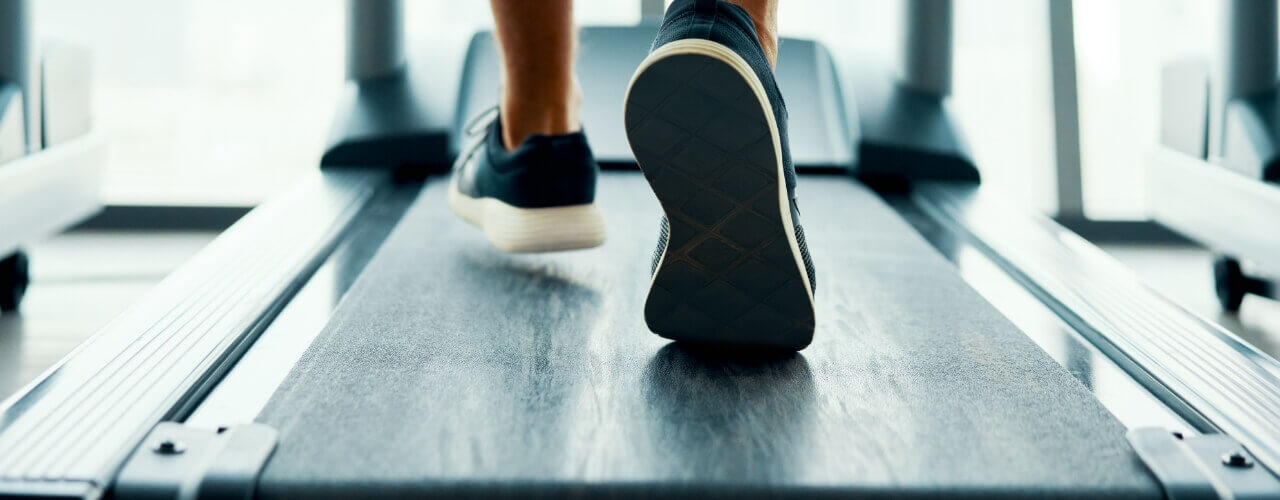
The rhythmic hum of the treadmill is a sound many runners dread. For some, it’s the monotonous whir of a punishment machine, a "dreadmill" that traps them in an endless, uninspiring loop. For others, it’s a necessary evil, a last resort when the elements conspire against their outdoor ambitions. We conjure images of hamsters on wheels, prisoners of artificiality, longing for the freedom of open roads, winding trails, and the kiss of natural wind. I know this feeling intimately, because for years, I was one of those runners.
My own journey with running began outdoors, fuelled by the exhilaration of new scenery, the challenge of varied terrain, and the sheer joy of movement in the open air. The treadmill, to me, was a sterile box, a place where runs went to die. It lacked the spontaneity, the sensory richness, the very soul of running. I saw it as a fallback, a compromise, never a primary tool for serious training. This perception, I’ve come to realize, was not only limiting but deeply flawed. It blinded me to a profound truth: the treadmill, far from being a mere stand-in, is a sophisticated, powerful instrument capable of unlocking dimensions of fitness and mental fortitude that outdoor running, by its very nature, sometimes struggles to provide.
This article isn’t just about convincing you that the treadmill isn’t so bad; it’s about telling a story – my story, and potentially yours – of transformation. It’s about moving beyond the surface-level disdain to discover the intricate mechanisms and profound benefits that lie beneath the moving belt. It’s about understanding how to wield this often-maligned machine as a precision tool, transforming your relationship with it from one of reluctant tolerance to enthusiastic appreciation, and in doing so, unlocking the true, multifaceted health benefits of running in ways you might never have imagined.
Deconstructing the "Dreadmill" Myth: Why the Hate Persists
Before we can embrace the treadmill, we must first confront the deep-seated aversion many of us harbor. Why does the "dreadmill" myth persist with such tenacity?
The Psychological Barrier:
At its core, much of the animosity towards the treadmill is psychological. Running, for many, is an escape, a communion with nature, a journey from point A to point B. The treadmill, by contrast, offers no such journey. You remain spatially fixed, the scenery unchanging, the horizon stubbornly out of reach. This lack of natural progression can feel like a cage, amplifying feelings of boredom and confinement. The brain, accustomed to processing new visual information and responding to environmental cues (a sudden gust of wind, a change in gradient, the sound of a passing car), finds itself starved of stimulation. This sensory deprivation can make time crawl, turning a 30-minute run into what feels like an eternity.
Moreover, the act of running on a treadmill often places you in a gym setting, sometimes directly in front of a mirror. This can lead to self-consciousness, the uncomfortable awareness of one’s own perceived struggle, form flaws, or sheer exertion. Unlike outdoor running where focus can be external, on the path ahead or the surrounding environment, the treadmill forces an inward gaze, often magnifying discomfort rather than diffusing it.
The Physiological Perception (and Misconception):
There’s also a common misconception that treadmill running is "easier" than outdoor running. This stems from a few factors: the lack of air resistance, the absence of varied terrain, and the belt assisting the natural backward motion of the leg. While it’s true that the absence of air resistance can make it feel slightly less demanding, studies have shown that setting the treadmill to a 1% incline largely negates this effect, simulating the energy expenditure of outdoor running by accounting for air resistance and the lack of forward momentum. The perceived "easiness" often masks the reality that the treadmill demands a different kind of effort, particularly mental. The monotony itself can make a run feel harder, as there are fewer distractions to divert attention from physical exertion.
My initial disdain was a cocktail of these very factors. I craved the grit of the trail, the sun on my face, the feeling of truly going somewhere. The treadmill felt like a concession, a lesser form of running. It took a forced period of inclement weather and a new understanding of training principles to begin chipping away at this ingrained bias.
The Unsung Hero: Why the Treadmill is an Invaluable Tool
My transformation began when I stopped viewing the treadmill as a nemesis and started seeing it as a laboratory. It wasn’t about the feeling of freedom, but the power of control and precision. Once I embraced this shift, its true utility began to unfold.
1. Safety and Accessibility: Your All-Weather, All-Conditions Ally
This is perhaps the most obvious, yet profoundly important, benefit. The treadmill offers an unparalleled sanctuary from the unpredictable elements. Blistering heat, torrential rain, icy winds, heavy snow – none of these can derail your training plan. For those living in urban areas, it eliminates concerns about traffic, uneven pavements, or personal safety during early morning or late-night runs. For individuals returning from injury or with mobility issues, the controlled, consistent surface removes tripping hazards and allows for a safer, more predictable movement pattern. It democratizes running, making it accessible regardless of weather, time of day, or geographical location. My own appreciation deepened during a particularly brutal winter when my outdoor runs became hazardous ice-skating expeditions. The treadmill became my refuge, a non-negotiable part of my routine that kept my fitness from plummeting.
2. Precision and Control: The Runner’s Laboratory
This is where the treadmill truly shines as a sophisticated training instrument.
- Pacing: Want to hit a specific pace for an interval, a tempo run, or a long-distance effort? The treadmill ensures you do it with absolute accuracy. There’s no drift, no accidental speeding up or slowing down. You set the speed, and you maintain it. This is invaluable for structured training where precise physiological responses are desired.
- Incline: This is the treadmill’s secret weapon, often overlooked. It allows you to simulate hill training without needing actual hills. More importantly, it allows for controlled hill training. You can set the exact gradient (e.g., 5% for 2 minutes, then 10% for 1 minute), repeat it consistently, and progressively overload your system. This builds immense strength in the glutes, hamstrings, and calves, improving power and endurance for both uphill and flat running outdoors. My own leg strength, once a weak point, saw dramatic improvements once I started incorporating aggressive incline work.
- Speed: Similarly, precise speed control is critical for sprint work and specific interval parameters. You can push beyond your outdoor comfort zone knowing you can always grab the safety rails or hit the stop button if needed.
- Heart Rate Training: For those who train by heart rate zones, the treadmill provides an ideal environment. Without external variables like wind, varied terrain, or sudden stops, it’s easier to maintain a consistent effort level and stay within your target heart rate zone, optimizing your cardiovascular adaptations.
3. Injury Prevention and Rehabilitation: A Kinder Surface
While the exact biomechanical differences are still debated, many runners find the treadmill’s surface to be more forgiving than concrete or asphalt. The belt’s inherent give can reduce impact forces, which is particularly beneficial for runners prone to shin splints, knee pain, or other impact-related injuries. For individuals returning from injury, the consistent, predictable surface allows for a gradual, controlled reintroduction of running, minimizing the risk of re-injury. A physical therapist once recommended treadmill running for me during a bout of plantar fasciitis, specifically due to its consistent, slightly softer surface, and it proved instrumental in my recovery.
4. Data and Feedback: Quantifiable Progress
Most treadmills offer built-in metrics: speed, distance, time, calories burned, and sometimes heart rate. This immediate, clear feedback makes it easy to track progress, set goals, and see quantifiable improvements. For the data-driven runner, this is a goldmine.
5. Mental Fortitude: The Ultimate Test of Will
Perhaps the most surprising benefit, for me, was the mental toughness it cultivated. Battling the boredom, resisting the urge to slow down, pushing through discomfort when there’s no external distraction – these are powerful mental exercises. Learning to focus inward, to control your thoughts, and to draw strength from within is a skill that translates directly to the gruelling final miles of an outdoor race or any challenging life situation. The treadmill taught me to embrace the grind, to find a meditative rhythm in the monotony, and to push past perceived limits through sheer force of will.




Post Comment