The Electric Buzz of Wellness: How Szechuan Pepper Acts as a Digestive Catalyst
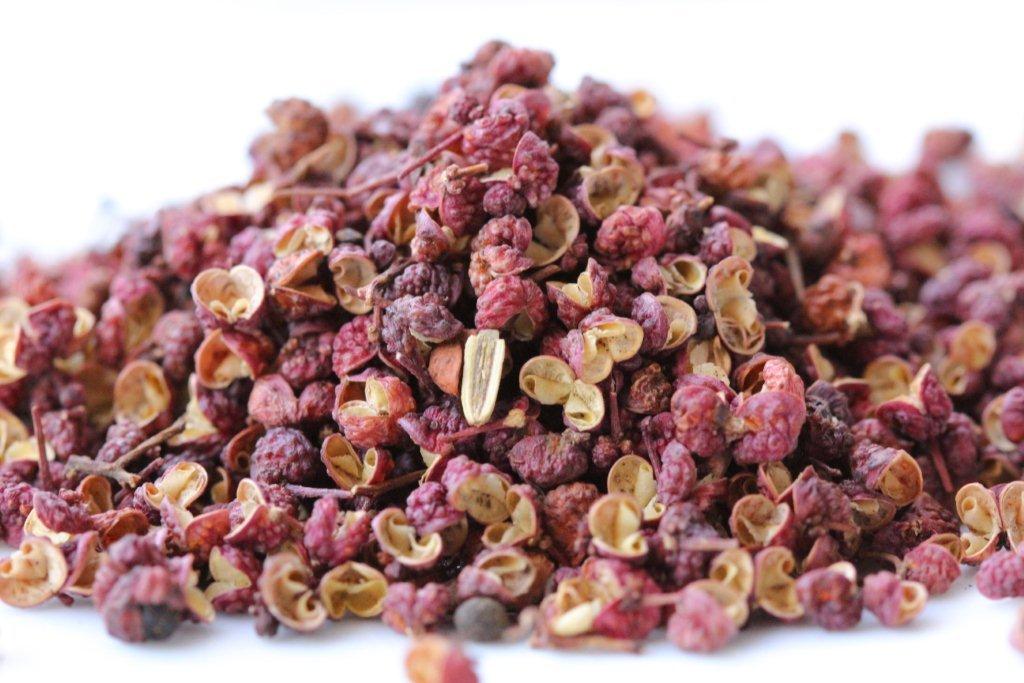
The first encounter with Szechuan cuisine is often an unforgettable one – a symphony of flavors that dances on the tongue, culminating in a peculiar, delightful sensation unlike any other. It’s not just the fiery heat that demands attention, nor the rich, savory depth of the sauces. It’s the málà, that electrifying combination of numbness (ma 麻) and spice (là 辣), that truly defines the experience. And at the heart of this unique culinary phenomenon lies the Szechuan pepper, a unassuming dried berry that, far from merely flavoring food, acts as a profound digestive catalyst, weaving ancient culinary wisdom with emerging scientific understanding of gut health.
For centuries, across the rugged landscapes of Sichuan, this distinctive spice has been more than a mere ingredient; it’s been a cultural cornerstone, a medicinal ally, and a daily companion in a diet designed to thrive in a challenging environment. But how does a spice that makes your mouth tingle and your lips feel as if they’ve been kissed by a gentle electric current contribute to the intricate ballet of digestion? To answer this, we must embark on a journey that spans history, botany, neuroscience, and the complex ecosystem of our gut, peeling back the layers of this fascinating spice to reveal its profound influence on our internal well-being.
The Enigma of Szechuan Pepper: A Culinary and Botanical Deep Dive
To truly appreciate Szechuan pepper’s role as a digestive catalyst, we must first understand what it is, and perhaps more importantly, what it is not. Despite its name, Szechuan pepper (also spelled Sichuan pepper) is not related to black pepper (Piper nigrum) or chili peppers (Capsicum species). Instead, it hails from the Zanthoxylum genus, a family of deciduous trees and shrubs that are members of the citrus family (Rutaceae). The part we consume is the dried outer pericarp (husk) of the berry, not the seed itself, which is typically discarded due to its gritty texture. Common species include Zanthoxylum bungeanum and Zanthoxylum simulans, each offering subtle variations in their aromatic and numbing profiles.
The true magic of Szechuan pepper lies in its signature sensation: the "ma." While chili peppers activate pain receptors associated with heat (TRPV1), Szechuan pepper targets mechanoreceptors, nerve endings responsible for touch, pressure, and vibration. This interaction is primarily mediated by a group of compounds called sanshools, particularly hydroxy-alpha-sanshool. These molecules induce a tingling, buzzing, and slightly numbing sensation that has been likened to a low-frequency vibration, a gentle electrical current, or even the feeling of fine carbonation. This unique neurological interaction is not merely a culinary novelty; it is the genesis of its digestive prowess.
Historically, Szechuan pepper has been intertwined with Chinese culture for millennia. Records suggest its use dating back to ancient times, with mentions in classic texts like the Shijing (Book of Songs), one of the oldest existing collections of Chinese poetry, where it was associated with fertility and prosperity. Its prominence, however, truly solidified in the cuisine of Sichuan province, a region characterized by its humid climate, mountainous terrain, and often harsh winters. The local diet evolved to include warming, stimulating ingredients to combat the dampness and cold, and Szechuan pepper, with its "warming" properties according to Traditional Chinese Medicine (TCM), became indispensable.
In TCM, Szechuan pepper, known as huājiāo (花椒), is classified as a pungent and warm herb that enters the Spleen, Stomach, and Kidney meridians. Its actions are described as warming the middle jiao (the digestive organs), dispelling cold, drying dampness, killing parasites, and relieving pain. These traditional applications directly point towards its perceived benefits for digestion, addressing issues like abdominal pain, cold stomach, diarrhea, and indigestion. It was not just an additive but a therapeutic agent, thoughtfully incorporated into daily meals to maintain health and balance. Iconic dishes like Mapo Tofu, Dan Dan Noodles, and Chongqing Hotpot are unthinkable without its characteristic tingle, demonstrating its deep roots in the regional identity and culinary philosophy.
The Science Behind the Sensation: Hydroxy-alpha-sanshool and Neuromodulation
The unique sensation elicited by Szechuan pepper is the key to understanding its digestive effects. It’s not a direct chemical reaction with food, but rather a sophisticated interaction with our nervous system that primes the digestive tract for optimal function. The star players in this interaction are the sanshools. When these compounds come into contact with the mucous membranes of the mouth and tongue, they don’t just sit there passively. Instead, they actively engage with specific nerve endings, particularly those involved in tactile sensation.
Research has shown that sanshools activate mechanosensitive ion channels in nerve cells. Unlike capsaicin, which primarily triggers nociceptors (pain receptors) by binding to the TRPV1 receptor, sanshools interact with different pathways, creating a sensation that is less about pain and more about an altered perception of touch. Scientists have even quantified this sensation, demonstrating that the tingling produced by sanshuanol, a specific sanshool, corresponds to a vibratory frequency of approximately 50 Hz. Imagine a tiny tuning fork gently vibrating on your tongue – that’s the subtle yet profound effect sanshools have.
This neurological stimulation, though localized to the mouth initially, sends signals throughout the body. The mouth is the gateway to the digestive system, and the sensory input received here is crucial for initiating the digestive cascade. The brain interprets the unique signals from Szechuan pepper, triggering a series of physiological responses that prepare the stomach, intestines, and associated organs for the impending meal. This initial, sensory-driven phase of digestion is often overlooked but is critically important for efficient nutrient extraction and overall gut health.
Szechuan Pepper as a Digestive Catalyst: Unpacking the Mechanisms
The "ma" sensation is merely the opening act. The true performance of Szechuan pepper as a digestive catalyst unfolds through a cascade of effects, many of which align remarkably well with traditional Chinese medicinal principles, now being illuminated by modern physiological understanding.
1. Enhanced Salivation: The First Line of Defense
One of the most immediate and noticeable effects of Szechuan pepper is the significant increase in saliva production. The tingling, numbing sensation acts as a potent sialogogue, stimulating the salivary glands to release a copious amount of saliva. This seemingly simple response is incredibly vital for digestion.
- Lubrication and Bolus Formation: Saliva moistens food, making it easier to chew and swallow, forming a cohesive bolus that travels smoothly down the esophagus.
- Enzymatic Digestion: Saliva contains enzymes like salivary amylase (ptyalin), which begins the breakdown of complex carbohydrates into simpler sugars, and lingual lipase, which starts the digestion of fats. By kickstarting these processes in the mouth, Szechuan pepper ensures that digestion begins even before food reaches the stomach.
- Oral Hygiene and Protection: Saliva also contains antibacterial compounds and helps neutralize acids, protecting teeth and maintaining oral health, which in turn impacts the initial microbial load entering the gut.
This enhanced salivary flow ensures that the digestive process gets off to a robust start, improving the efficiency of nutrient extraction and reducing the burden on subsequent digestive organs.
2. Gastric Acid Secretion and Appetite Stimulation
While sanshools don’t directly interact with gastric cells in the same way some other compounds might, the intense sensory experience in the mouth can indirectly influence gastric function. The activation of neural pathways, particularly the vagus nerve (a key component of the parasympathetic nervous system, responsible for "rest and digest" functions), can stimulate the release of gastric juices.
- Stomach Acid Production: Gastric acid (hydrochloric acid) is critical for protein digestion, activating pepsinogen into pepsin. It also acts as a barrier against pathogens ingested with food. By stimulating its release, Szechuan pepper may help optimize protein breakdown and improve the sterilization of food in the stomach.
- Appetite Enhancement: The unique málà sensation, far from being off-putting to those accustomed to it, can be a powerful appetite stimulant. This sensory arousal primes the digestive system, signaling that a meal is imminent and preparing it for optimal function. In traditional contexts, where robust digestion was crucial for nutrient absorption from often simple diets, this appetite-enhancing property would have been highly valued.
3. Motility and Peristalsis: Keeping Things Moving
Perhaps one of the most significant contributions of Szechuan pepper to gut health, aligning perfectly with TCM principles, is its potential to enhance gut motility. In TCM, Szechuan pepper is said to "promote qi circulation" and "dispel cold stagnation," concepts that translate remarkably well to modern understandings of gut motility and peristalsis.


Post Comment