From Stews to Self-Care: Creative Ways to Use Bay Leaves for Daily Wellness
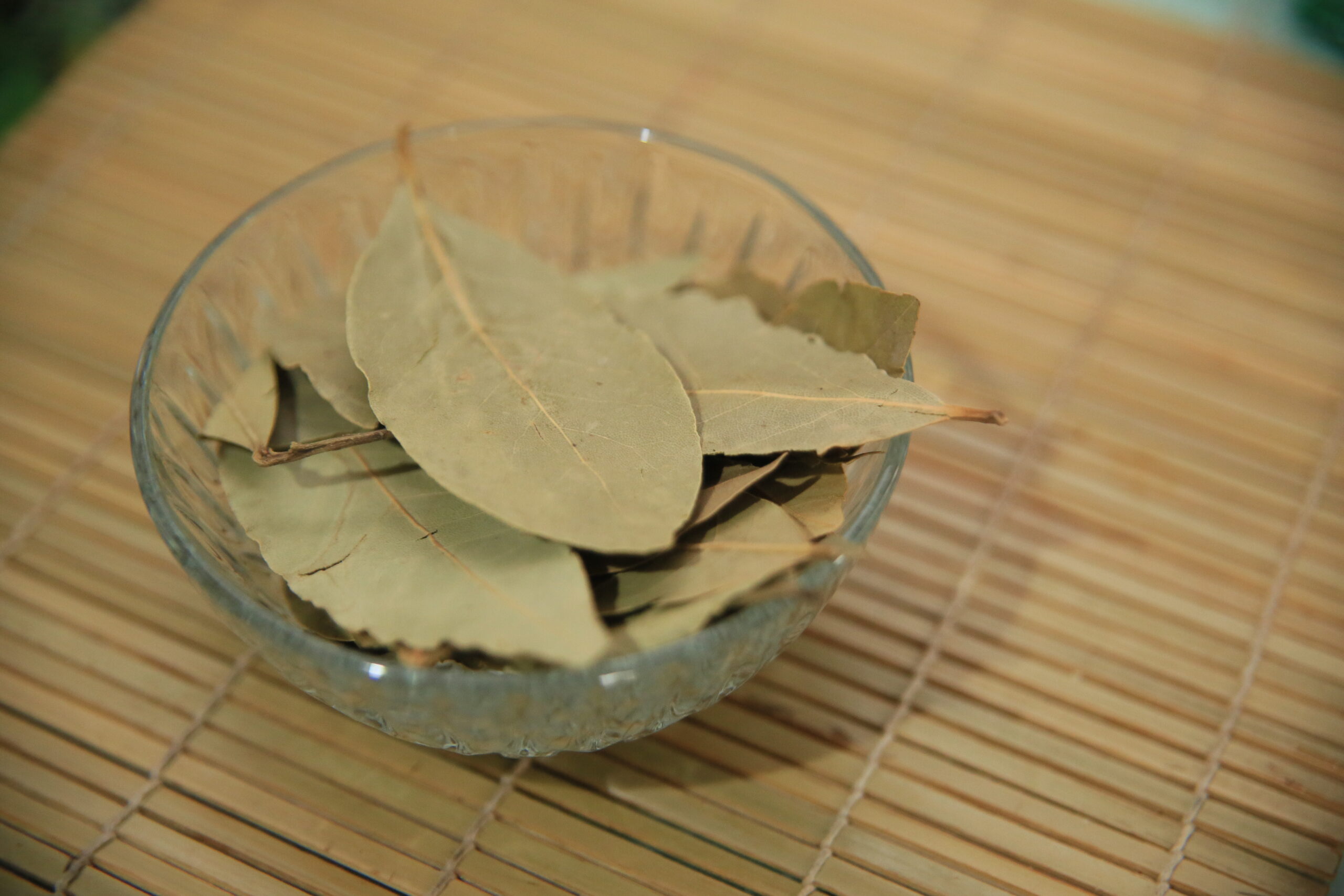
The aroma of a bay leaf is often the quiet prelude to comfort. It’s the subtle whisper in a simmering stew, the invisible architect of a rich sauce, a culinary secret passed down through generations. For many, the bay leaf, Laurus nobilis, is confined to the spice rack, an unsung hero of the kitchen. Yet, to relegate this humble leaf solely to the realm of gastronomy is to overlook a profound legacy, a verdant tapestry woven through history, mythology, and the very fabric of human wellness. This is the story of the bay leaf’s journey – not just from garden to stew pot, but from ancient rituals to modern self-care, a narrative inviting us to rediscover its potent, often-forgotten powers for daily vitality.
Imagine, for a moment, stepping back in time. You’re not in a bustling kitchen, but amidst the sun-drenched hills of ancient Greece, where the laurel tree was sacred to Apollo, god of healing, prophecy, and poetry. Or perhaps you walk the marble halls of Imperial Rome, where victors and poets wore crowns of laurel, symbolizing triumph and wisdom. The bay leaf, then, was never just an ingredient; it was a potent symbol, a medicinal herb, a conduit to the divine, a protector, and a source of inspiration. It held the promise of clarity, protection, and healing long before it found its way into our bouillon.
This article invites the knowledgeable reader on a journey of rediscovery, urging a deeper connection with Laurus nobilis. We will peel back the layers of its culinary commonality to reveal a multifaceted tool for holistic wellness, exploring its historical significance, the science behind its aromatic magic, and, most importantly, creative, practical ways to integrate its benefits into your daily self-care rituals – transforming it, truly, from a mere stew enhancer to a profound ally in your pursuit of well-being.
A Leaf Through Time: The Storied History of Bay
The story of the bay leaf begins not in the kitchen, but in the hallowed grounds of ancient civilizations. Its history is a testament to humanity’s innate understanding of nature’s bounty, long before scientific analysis confirmed its properties.
Ancient Greece and the Oracle of Delphi: Perhaps the most famous association of the bay leaf is with the Oracle of Delphi. The Pythia, Apollo’s priestess, was said to chew bay leaves, inhale their smoke, or burn them to induce prophetic visions. This practice speaks volumes about the perceived psychoactive and spiritual properties of the leaf – its ability to clear the mind, open intuition, and connect with higher realms. The laurel wreath, a symbol of Apollo, crowned poets, heroes, and Olympic victors, signifying honor, wisdom, and eternal glory. For the Greeks, bay was intrinsically linked to mental clarity, inspiration, and divine favor.
Roman Empire: Victory and Protection: The Romans adopted much of Greek culture, including the reverence for laurel. Generals returning victorious from battle were crowned with laurel, giving us the phrase "resting on one’s laurels." It symbolized triumph, peace, and protection. Beyond victory, Roman households used bay leaves for protection against lightning and evil spirits, often planting trees near their homes. They also recognized its medicinal qualities, using it for digestive complaints and as a general tonic.
Medieval Europe: Medicine and Mysticism: As empires rose and fell, the bay leaf retained its esteemed status. In medieval Europe, it was a staple in herbal medicine. Practitioners prescribed it for ailments ranging from digestive issues and respiratory infections to fevers and pain. It was believed to ward off the plague and protect against witchcraft. People hung bay branches in their homes for purification and good luck, and placed leaves under pillows to induce prophetic dreams and ward off nightmares. The practical and the mystical were intertwined, with the bay leaf serving as both a tangible remedy and a spiritual talisman.
The Culinary Ascent: It wasn’t until later centuries that the bay leaf firmly established itself in European kitchens. Its robust, slightly bitter, yet aromatic profile proved ideal for slow-cooked dishes, game, and hearty stews, enhancing flavors and aiding digestion. Its ability to withstand long cooking times without disintegrating made it a culinary workhorse. However, even as its culinary fame grew, echoes of its ancient power persisted in folklore and traditional remedies.
This rich historical tapestry reminds us that the bay leaf’s journey from stew pot to self-care is not a new invention, but a reawakening, a rediscovery of wisdom passed down through millennia.
The Science Behind the Scent: Understanding Bay Leaf’s Composition
The magic of the bay leaf, its distinct aroma, and its therapeutic properties are rooted in its complex chemical composition, particularly its volatile essential oils. For the knowledgeable mind, understanding these compounds offers a scientific lens through which to appreciate its ancient uses.
The primary active compounds found in Laurus nobilis include:
- Eucalyptol (1,8-cineole): This is one of the most dominant compounds, often comprising 30-50% of the essential oil. Eucalyptol is renowned for its expectorant, anti-inflammatory, and antimicrobial properties. It’s what gives bay leaf its characteristic fresh, camphor-like scent, and it’s a key player in its traditional use for respiratory ailments.
- Eugenol: Also found in cloves, eugenol contributes to bay leaf’s warm, spicy notes. It possesses analgesic, antiseptic, and anti-inflammatory properties, potentially contributing to its use in pain relief and as a digestive aid.
- Myrcene: A monoterpene found in many plants, myrcene contributes to the herbaceous and slightly earthy notes. It’s known for its anti-inflammatory and analgesic effects, and may also have sedative properties, contributing to the leaf’s calming influence.
- Alpha-pinene and Beta-pinene: These terpenes give bay leaf a fresh, pine-like aroma. They are known for their anti-inflammatory, antiseptic, and bronchodilatory effects, further supporting its respiratory benefits.
- Linalool: With a floral, woody aroma, linalool is recognized for its anxiolytic (anti-anxiety) and sedative properties. It likely plays a role in the calming and stress-reducing effects attributed to bay leaf.
- Geraniol: This compound contributes a rosy, floral scent and has shown potential antimicrobial and antioxidant activity.
Collectively, these compounds create a synergistic effect, explaining why bay leaf has been traditionally used for a wide array of conditions:
- Anti-inflammatory: Compounds like eucalyptol, myrcene, and eugenol help reduce inflammation, both internally and externally.
- Antimicrobial/Antiseptic: The presence of eucalyptol, eugenol, and other terpenes offers protection against various bacteria and fungi, making it useful for purification and wound care.
- Digestive Aid: The bitter compounds stimulate digestive enzymes, while volatile oils help reduce gas and bloating, easing discomfort.
- Respiratory Support: Eucalyptol and pinenes act as expectorants and bronchodilators, helping to clear airways and soothe coughs.
- Calming/Anxiolytic: Linalool and myrcene contribute to its sedative properties, promoting relaxation and reducing anxiety.
- Antioxidant: Various compounds help combat oxidative stress, protecting cells from damage.


Post Comment