Period Relief: Can G-Spot Orgasms Help Manage Menstrual Cramps? A Deep Dive into Pleasure as Panacea
The monthly ritual of menstruation, for many, is synonymous with pain. From dull aches to debilitating, gut-wrenching cramps, dysmenorrhea – the medical term for painful periods – casts a long shadow over the lives of millions. While over-the-counter pain relievers, heat pads, and hormonal therapies offer some respite, the search for more natural, holistic, and perhaps even pleasurable solutions continues. In this quest, an intriguing question has emerged from the whispers of shared experience and the fringes of scientific inquiry: Can G-spot orgasms offer a potent, natural remedy for menstrual cramps?
This article embarks on a journey to explore this captivating premise, delving into the intricate physiology of both menstrual pain and orgasmic pleasure, examining the proposed mechanisms of relief, and navigating the often-stigmatized intersection of sex, pain, and women’s health. We aim to move beyond mere anecdote, seeking to understand the science, the stories, and the potential empowerment embedded in this unique approach to period relief.
The Unspoken Burden: Understanding Dysmenorrhea
Before we can explore potential remedies, it’s crucial to fully grasp the adversary: menstrual cramps. Dysmenorrhea is classified into two main types:
-
Primary Dysmenorrhea: This is the more common type, occurring in women with otherwise normal pelvic anatomy. It typically begins within six to twelve months of menarche (first period) and is characterized by cramping pain in the lower abdomen, often radiating to the back and thighs. The pain usually starts just before or at the onset of menstruation and lasts for 1-3 days.
The primary culprit behind primary dysmenorrhea is the overproduction of prostaglandins, hormone-like substances released from the uterine lining (endometrium) during menstruation. Prostaglandins cause the uterine muscles to contract, which helps shed the uterine lining. However, excessive levels lead to more intense and prolonged contractions, compressing blood vessels in the uterus, reducing blood flow (ischemia), and thus causing pain. These powerful contractions are what we perceive as cramps. High levels of prostaglandins can also contribute to other symptoms like nausea, vomiting, diarrhea, and headaches. -
Secondary Dysmenorrhea: This type is caused by an underlying reproductive disorder or medical condition, such as endometriosis, uterine fibroids, adenomyosis, pelvic inflammatory disease, or ovarian cysts. The pain often starts later in life, tends to worsen over time, and may be accompanied by other symptoms like heavy bleeding, pain during intercourse, or irregular periods. Unlike primary dysmenorrhea, the pain from secondary dysmenorrhea often extends beyond the typical 1-3 days of cramping and may not respond as well to conventional pain relievers.
The impact of dysmenorrhea extends far beyond mere physical discomfort. It can significantly disrupt daily life, leading to missed school or work days, reduced productivity, impaired social activities, and a diminished quality of life. The constant anticipation of pain, coupled with the often-underestimated severity by healthcare providers and society at large, can also contribute to anxiety and depression. Despite its prevalence, menstrual pain often remains a topic shrouded in silence, dismissed as a "normal" part of being a woman, rather than a legitimate medical condition deserving of comprehensive management.
Current conventional treatments primarily focus on:
- Nonsteroidal Anti-inflammatory Drugs (NSAIDs): Medications like ibuprofen and naproxen work by inhibiting prostaglandin production, thereby reducing uterine contractions and inflammation.
- Hormonal Birth Control: Oral contraceptives, patches, rings, or IUDs can thin the uterine lining, leading to less prostaglandin production and lighter, less painful periods.
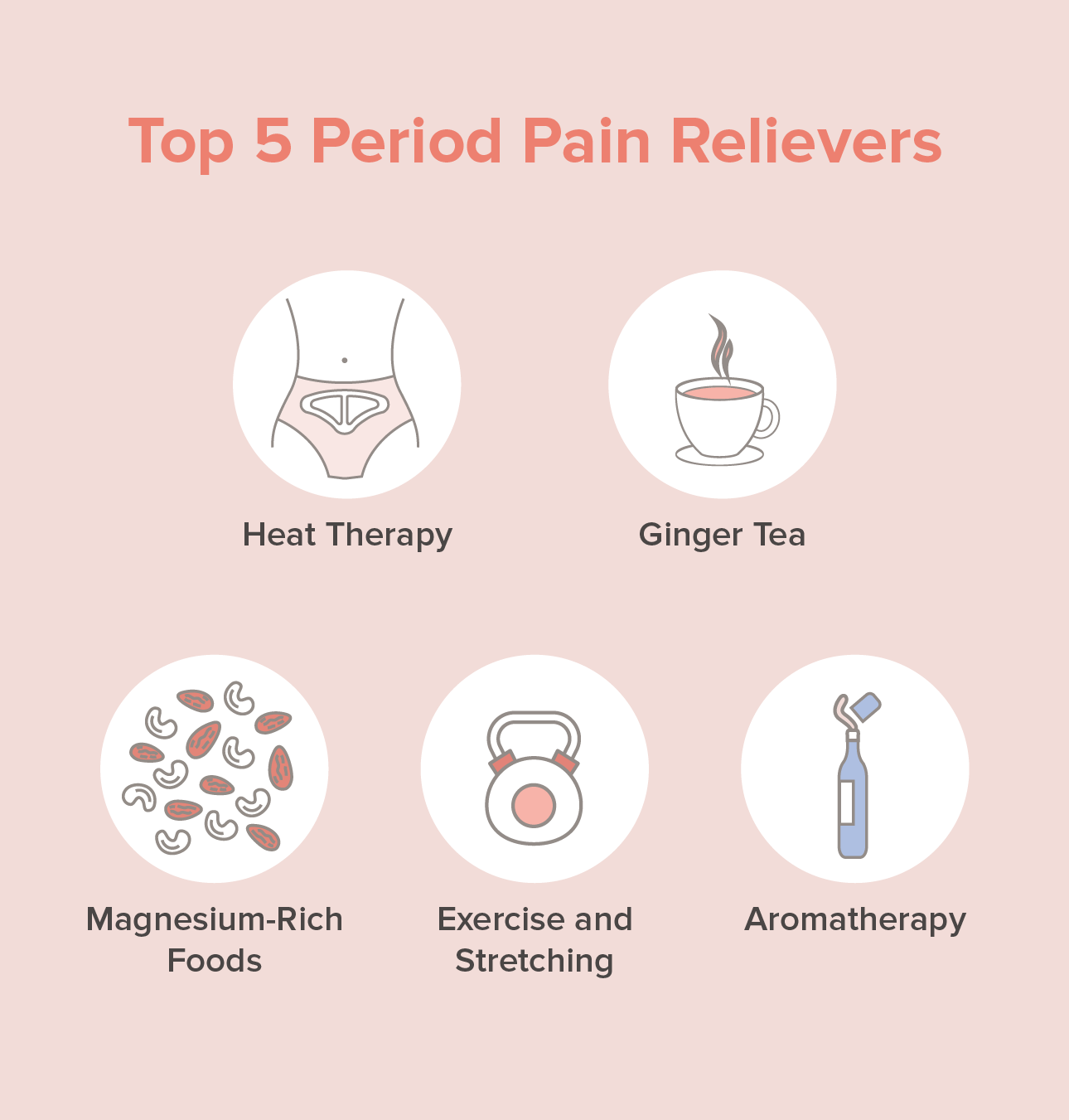
- Heat Therapy: Applying heat to the abdomen can relax uterine muscles and improve blood flow.
- Lifestyle Changes: Regular exercise, a balanced diet, stress reduction techniques, and avoiding caffeine and alcohol may also help some individuals.
While these methods are effective for many, they don’t work for everyone, and some women seek alternatives due to side effects, lack of efficacy, or a preference for more natural approaches. This opens the door to exploring less conventional, yet potentially powerful, avenues of relief – one of which lies in the realm of sexual pleasure.
The Labyrinth of Pleasure: Demystifying the G-Spot and Orgasms
To understand how orgasms might alleviate menstrual pain, we must first dissect the mechanics and neurochemistry of pleasure itself. While any orgasm can potentially offer benefits, the focus on "G-spot orgasms" suggests a specific quality or intensity that might be particularly effective.
The G-Spot Enigma: More Than Just a Myth
The Grafenberg spot, or G-spot, named after German gynecologist Ernst Gräfenberg who described it in 1950, has been a subject of both fascination and controversy for decades. Initially described as a highly sensitive area on the anterior (front) wall of the vagina, approximately one to three inches inside, behind the pubic bone, its existence and exact anatomical nature have been debated.
Modern anatomical research, however, increasingly supports the idea that the G-spot is not a distinct, isolated "spot" but rather a region of highly sensitive tissue that is part of the clitoral complex. This internal clitoral tissue extends far beyond the visible clitoral hood and glans, wrapping around the urethra and into the anterior vaginal wall. When stimulated, this area, rich in nerve endings, can swell and become engorged, leading to intense pleasure and, for some, a distinct type of orgasm often described as deeper, more encompassing, and sometimes accompanied by "female ejaculation" or "squirting" (the release of fluid from the Skene’s glands, homologous to the male prostate).
The G-spot’s significance lies in its potential to produce a different kind of orgasm for many individuals – one that might be perceived as more internal, powerful, and potentially more effective at engaging the body’s pain-modulating systems due to its deeper stimulation and the specific neurological pathways it activates.


Post Comment