The Ancient Whisper and the Modern Lullaby: How Jujube Extract Acts as a Natural Sedative
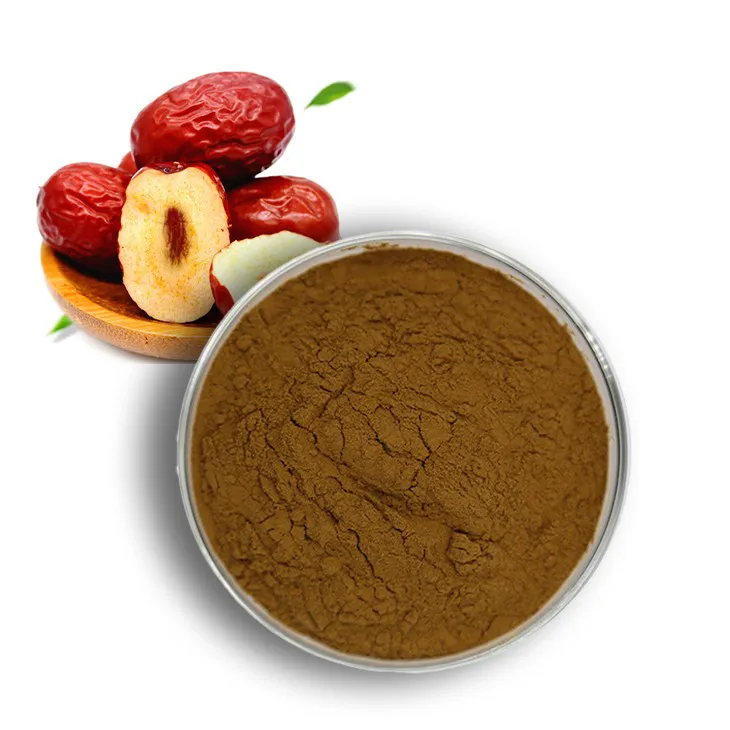
The human quest for restful sleep is as old as civilization itself. From the gentle rocking of a mother’s arms to the intricate pharmacopoeia of modern medicine, we have tirelessly sought solace from the relentless march of wakefulness. In this timeless pursuit, nature has often offered its wisdom, whispering secrets through leaves, roots, and fruits. Among these botanical benefactors, the humble jujube fruit, Ziziphus jujuba, stands as a testament to ancient knowledge, now increasingly validated by the illuminating lens of contemporary science. It is a story not just of a fruit, but of a profound interaction between plant chemistry and human physiology, a narrative of how jujube extract acts as a natural sedative, gently guiding the mind and body towards the restorative embrace of sleep.
Our journey begins not in a laboratory, but in the sun-drenched landscapes of Asia, particularly China, where the jujube tree, often called the "Chinese date," has flourished for millennia. Its history is interwoven with the very fabric of traditional medicine, most notably Traditional Chinese Medicine (TCM). For centuries, practitioners observed and documented the profound effects of the jujube, especially its seeds (Suan Zao Ren), on the human spirit and its capacity for rest. They didn’t understand GABA receptors or serotonin pathways, but they recognized a tangible truth: consuming jujube helped calm the agitated mind, soothe frayed nerves, and invite peaceful slumber. It was prescribed for insomnia, anxiety, and a general state of "shen" (spirit) disturbance – a holistic recognition of the interconnectedness of mental tranquility and physical rest. This wasn’t merely folk wisdom; it was empirical observation honed over generations, a testament to the power of nature’s pharmacy.
The narrative of jujube’s sedative properties is one of gradual unveiling, transitioning from ancient lore to a subject of rigorous scientific inquiry. As the global interest in natural remedies grew, fueled by a desire for alternatives to synthetic pharmaceuticals with their often-harsh side effects, researchers began to turn their attention to this unassuming fruit. The question shifted from "does it work?" to "how does it work?" And in that shift, a fascinating botanical blueprint began to emerge.
At the core of jujube’s efficacy lies a complex tapestry of bioactive compounds, each playing a subtle yet significant role in orchestrating the symphony of sleep. The most extensively studied and potent among these are the triterpenoid saponins, particularly jujubosides and spinosin. These compounds are not merely inert plant matter; they are sophisticated molecular keys designed to interact with the delicate locks of our neurochemistry.
One of the primary mechanisms through which jujube extract exerts its sedative effects is its profound interaction with the gamma-aminobutyric acid (GABA) system. GABA is the brain’s chief inhibitory neurotransmitter, acting as a natural brake on neuronal activity. When GABA binds to its receptors, particularly the GABA-A receptors, it effectively slows down the firing of neurons, reducing excitability and promoting a state of calm and relaxation. Think of it as a dimmer switch for the brain’s electrical activity; GABA turns down the intensity, making it easier to drift into sleep.
Jujubosides and spinosin, the star compounds of jujube, are believed to act as positive allosteric modulators of GABA-A receptors. This means they don’t directly activate the receptor like GABA itself, but rather bind to a separate site on the receptor complex, enhancing GABA’s own binding efficiency and amplifying its inhibitory effects. This mechanism is strikingly similar to how benzodiazepines, a class of common prescription sleep aids and anxiolytics (like Valium or Xanax), work. However, preclinical studies suggest that jujube’s modulation is often described as more nuanced and less prone to the profound sedative side effects, dependence, or withdrawal associated with synthetic GABAergic drugs. It’s a gentle nudge towards tranquility, rather than an abrupt shutdown. This subtle yet powerful interaction allows for a restoration of the brain’s natural rhythm without forcefully overriding its delicate balance, positioning jujube as a ‘gentle conductor’ of the sleep symphony rather than an abrupt ‘off switch.’
Beyond the GABAergic system, jujube extract casts a wider net, influencing other crucial neurotransmitter pathways that regulate mood, stress, and sleep. The serotonin pathway is another key player. Serotonin, often dubbed the "feel-good" neurotransmitter, is a precursor to melatonin, the hormone that dictates our sleep-wake cycles. While jujube doesn’t directly provide serotonin, its components may indirectly support healthy serotonin levels. Some research suggests that jujube compounds can modulate enzymes involved in serotonin metabolism or enhance the availability of its precursors, thus contributing to an improved mood and a more balanced internal environment conducive to sleep. A calm, contented mind is far more likely to embrace sleep than an agitated one.
The narrative of jujube’s sedative action also weaves in the crucial role of stress reduction. Chronic stress is a relentless enemy of sleep, keeping the body in a perpetual state of "fight or flight." This involves the activation of the hypothalamic-pituitary-adrenal (HPA) axis, leading to the release of stress hormones like cortisol. Elevated cortisol levels at night are a surefire recipe for insomnia. Jujube extract has demonstrated adaptogenic properties, meaning it helps the body adapt to and resist physical, chemical, and biological stressors. It can modulate the HPA axis, helping to temper the overproduction of cortisol and restore a healthier stress response. By dampening the physiological cascade of stress, jujube creates a more tranquil internal landscape, paving the way for sleep. Imagine a nervous system that is constantly on high alert; jujube acts as a soothing balm, allowing it to finally stand down and rest.
But the story doesn’t end with neurotransmitters and stress hormones. The complexity of jujube’s phytochemical profile means it likely influences sleep through multiple, synergistic pathways. For instance, many of the flavonoids found in jujube, such as apigenin (also found in chamomile), are known for their anxiolytic (anxiety-reducing) and mild sedative properties. These compounds can also interact with GABA receptors or influence other pathways that promote relaxation. Furthermore, the presence of various polysaccharides and triterpenes contributes to jujube’s overall therapeutic profile, including antioxidant and anti-inflammatory effects. Chronic inflammation and oxidative stress can disrupt cellular function, including neuronal health, and contribute to sleep disturbances. By mitigating these underlying issues, jujube extract fosters a healthier cellular environment, indirectly supporting better sleep.
The journey of understanding jujube’s power has moved decisively from traditional observation to scientific validation. Numerous in vitro (cell culture) and in vivo (animal) studies have provided compelling evidence for its sedative, anxiolytic, and hypnotic properties. Researchers have observed that administration of jujube extract can decrease sleep latency (the time it takes to fall asleep), increase total sleep time, and enhance non-REM sleep (the deep, restorative stages of sleep). Animal models have shown reduced anxiety-like behaviors and improved stress resilience following jujube supplementation.
While human clinical trials are still an evolving area, preliminary studies and anecdotal evidence align with these findings, suggesting that jujube extract can improve subjective sleep quality, reduce nighttime awakenings, and lessen daytime fatigue. The "story" of jujube in the modern context is one of a growing body of scientific literature building upon centuries of empirical wisdom, slowly but surely solidifying its place as a legitimate natural aid for sleep and anxiety.
However, the narrative of jujube extract is not just about its direct sedative action. It’s also about a more holistic approach to well-being that ultimately contributes to better sleep. Consider its broader health benefits:
- Anxiolytic Effects: As discussed, by modulating GABA and other neurotransmitters, jujube significantly reduces anxiety. An anxious mind is a restless mind. By easing anxiety, jujube clears a major hurdle to falling and staying asleep.
- Cognitive Benefits: Paradoxically, while promoting sleep, jujube has also been investigated for its potential neuroprotective and cognitive-enhancing effects. A well-rested brain functions optimally, and compounds that support overall brain health can indirectly improve the quality of restorative sleep.
- Digestive Health: In TCM, the spleen and stomach are intimately linked to "shen" (spirit) and overall vitality. Jujube is often prescribed to nourish these organs. A healthy gut-brain axis is increasingly recognized as crucial for mental health and sleep. While not a primary sedative mechanism, improved digestion can alleviate discomfort that might otherwise disrupt sleep.
- Cardiovascular Support: Its antioxidant and anti-inflammatory properties can contribute to overall cardiovascular health, which in turn supports systemic well-being and reduces the physiological stress that can impede sleep.
- Immunomodulation: A healthy immune system is vital for overall vitality. Jujube’s potential to modulate immune responses can contribute to reduced systemic inflammation, creating a more harmonious internal environment conducive to rest.
The modern application of jujube extract requires careful consideration. For the knowledgeable audience, understanding the nuances of sourcing, standardization, and dosage is paramount. Jujube extract is typically derived from the seeds, as they contain the highest concentration of the active jujubosides and spinosin. Extracts can come in various forms – powders, capsules, liquid tinctures – and their potency can vary widely. A high-quality extract will often be standardized to a certain percentage of active compounds, ensuring consistent efficacy.
When considering its use, individuals should always consult with a healthcare professional, especially if they are taking other medications. While generally considered safe with few side effects (mostly mild digestive upset at very high doses), potential interactions with sedatives, anxiolytics, or antidepressants should be discussed. The goal is to integrate jujube as part of a comprehensive approach to sleep hygiene, which includes regular sleep schedules, a comfortable sleep environment, and mindful practices.
In conclusion, the story of jujube extract as a natural sedative is a captivating blend of ancient wisdom and cutting-edge science. From its humble origins in the traditional medicine practices of Asia, where it calmed spirits and invited dreams, to the modern laboratory where its complex phytochemistry is being meticulously unraveled, jujube offers a compelling narrative of natural healing. Its multifaceted action on the GABAergic system, serotonin pathways, stress response, and its broader adaptogenic and neuroprotective properties paint a picture of a sophisticated botanical ally.
For those seeking a gentler alternative to conventional sleep aids, or simply looking to enhance their natural capacity for rest, jujube extract stands as a beacon of hope. It reminds us that sometimes, the most profound solutions to our modern ailments can be found in the enduring wisdom of nature, waiting patiently to be rediscovered and understood. The whisper of the ancient jujube, once a secret held by traditional healers, now resonates globally, offering a modern lullaby for a world yearning for peaceful sleep.


Post Comment