Sweet Without the Spike: Why Jujubes are the Perfect Low-Glycemic Snack
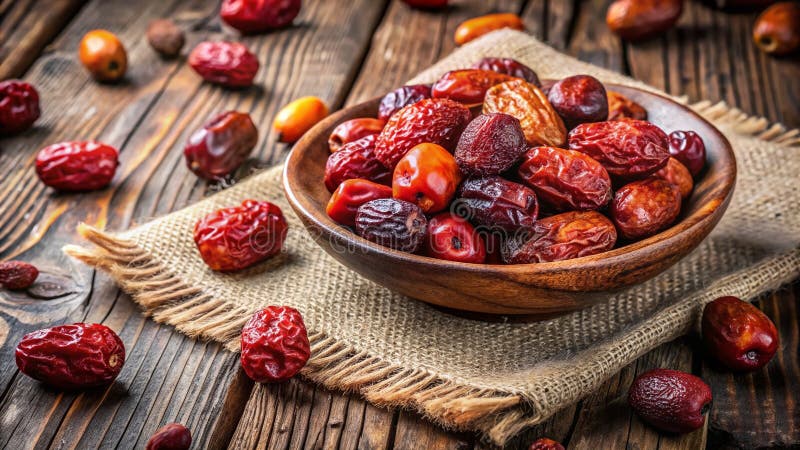
In an age defined by the relentless pursuit of wellness, where every morsel we consume is scrutinized for its impact on our health, the quest for the ideal snack often feels like navigating a labyrinth. We yearn for something satisfying, naturally sweet, yet devoid of the insidious sugar spikes that betray our energy levels and metabolic health. Many have succumbed to the siren call of processed "health" bars or the fleeting comfort of high-glycemic fruits, only to crash later, leaving them adrift in a sea of fatigue and regret. But what if the answer lay not in a newly engineered superfood, but in an ancient, unassuming fruit that has graced tables and medicine cabinets for millennia?
Enter the jujube. Often overshadowed by its more celebrated fruit cousins, this humble drupe, known botanically as Ziziphus jujuba, is an unsung hero in the narrative of mindful eating. It’s a fruit that whispers rather than shouts, offering a profound sense of satisfaction without the metabolic drama. For the discerning individual, the knowledgeable consumer who understands the intricate dance between diet and physiological well-being, the jujube emerges as a beacon: the perfect low-glycemic snack, sweet without the spike, and brimming with a spectrum of benefits that extend far beyond mere blood sugar regulation.
The Glycemic Index: A Crucial Compass for the Knowledgeable Consumer
Before we delve deeper into the jujube’s virtues, it’s imperative to establish a shared understanding of the glycemic index (GI) – a concept that has revolutionized nutritional science and empowered millions to make more informed dietary choices. For our knowledgeable audience, the GI is not merely a number; it’s a crucial compass guiding us through the complex landscape of carbohydrate metabolism.
The glycemic index is a system that ranks carbohydrate-containing foods based on their immediate impact on blood glucose levels. Foods are tested by measuring the rise in blood sugar over a two-hour period after consumption, comparing it to the standard rise after consuming pure glucose (which has a GI of 100). Foods are then categorized:
- Low GI: 55 or less
- Medium GI: 56-69
- High GI: 70 or more
The significance of this ranking cannot be overstated. When we consume high-GI foods, particularly simple sugars or refined carbohydrates, our bodies quickly break them down into glucose. This rapid influx triggers a swift and substantial rise in blood sugar, prompting the pancreas to release a surge of insulin. Insulin’s primary role is to shuttle glucose from the bloodstream into cells for energy or storage. While essential, chronically high insulin responses are problematic. They can lead to:
- Energy Crashes: After the initial sugar high, the rapid insulin release often overshoots, leading to a swift drop in blood sugar, manifesting as fatigue, irritability, and difficulty concentrating.
- Increased Fat Storage: Insulin is a potent anabolic hormone. When cells are saturated with glucose, excess glucose is readily converted into fat and stored, contributing to weight gain and obesity.
- Insulin Resistance: Over time, constant exposure to high insulin levels can desensitize cells, leading to insulin resistance – a precursor to Type 2 Diabetes and a core component of metabolic syndrome.
- Chronic Inflammation: Fluctuations in blood sugar and sustained high insulin levels are linked to systemic inflammation, a driver of numerous chronic diseases, including cardiovascular disease and certain cancers.
Conversely, low-GI foods are digested and absorbed more slowly, resulting in a gradual and sustained release of glucose into the bloodstream. This elicits a more moderate insulin response, offering a cascade of benefits: sustained energy, enhanced satiety (keeping hunger at bay for longer), improved blood sugar control, and a reduced risk of developing insulin resistance and related metabolic disorders. For the individual committed to optimal health, choosing low-GI snacks is not just a preference; it’s a strategic imperative.
The Ancient Saga of the Jujube: From Silk Road Staple to Modern Marvel
The story of the jujube is as rich and intricate as the flavors it offers. Known affectionately as the "Chinese date" or "red date," Ziziphus jujuba boasts a lineage that spans over 4,000 years, with its origins deeply rooted in the fertile lands of China and parts of South Asia. It is one of the oldest cultivated fruit trees, predating many of the common fruits we consume today.
From its humble beginnings, the jujube embarked on an epic journey, traversing continents along the legendary Silk Road. Its resilience, adaptability, and nutritional bounty made it an invaluable commodity for ancient travelers, providing sustained energy and vital nutrients in arduous conditions. As it spread, so too did its cultural and medicinal significance.
In Traditional Chinese Medicine (TCM), jujubes, or da zao, are revered as a harmonizing herb, often included in formulas to enhance the efficacy of other ingredients. They are prescribed for a multitude of ailments: to calm the mind and aid sleep, to strengthen the spleen and stomach, to nourish the blood, and to alleviate stress. In Ayurvedic medicine, similar reverence is given to the fruit for its tonic and soothing properties. These ancient practices, built upon centuries of empirical observation, implicitly understood the fruit’s gentle yet profound impact on the body – a wisdom that modern science is now validating.
Botanically, the jujube tree is a hardy deciduous species, capable of thriving in diverse climates, from arid deserts to temperate zones. It produces small, oval to round fruits that change color from green to reddish-brown as they ripen. When fresh, they have a crisp texture, reminiscent of an apple, with a mild, sweet flavor. As they dry, their skin wrinkles, their flesh becomes chewier, and their sweetness concentrates, akin to a traditional date but with a distinctly nuanced profile. This duality – fresh and dried – offers remarkable versatility, making it a staple in countless kitchens across Asia and increasingly, around the globe.
Unpacking the Jujube’s Nutritional Treasure Chest
The jujube’s capacity to deliver sustained energy without the glycemic spike is rooted in its exceptional nutritional composition. For a fruit, it offers a remarkably balanced profile, emphasizing elements crucial for metabolic health.
-
Carbohydrates and Fiber: The Glycemic Gatekeepers
The carbohydrate content of jujubes is significant, as expected for a fruit, but it’s the nature of these carbohydrates and their interaction with other components that makes all the difference. Fresh jujubes are predominantly composed of water (around 70-80%), which naturally dilutes their sugar concentration. The sugars present are a mix of fructose and glucose, but crucially, these are delivered alongside a generous amount of dietary fiber.



Post Comment