The Quiet Revolution on Your Fruit Plate: Why Kiwis Beat Oranges for Your Daily Dose
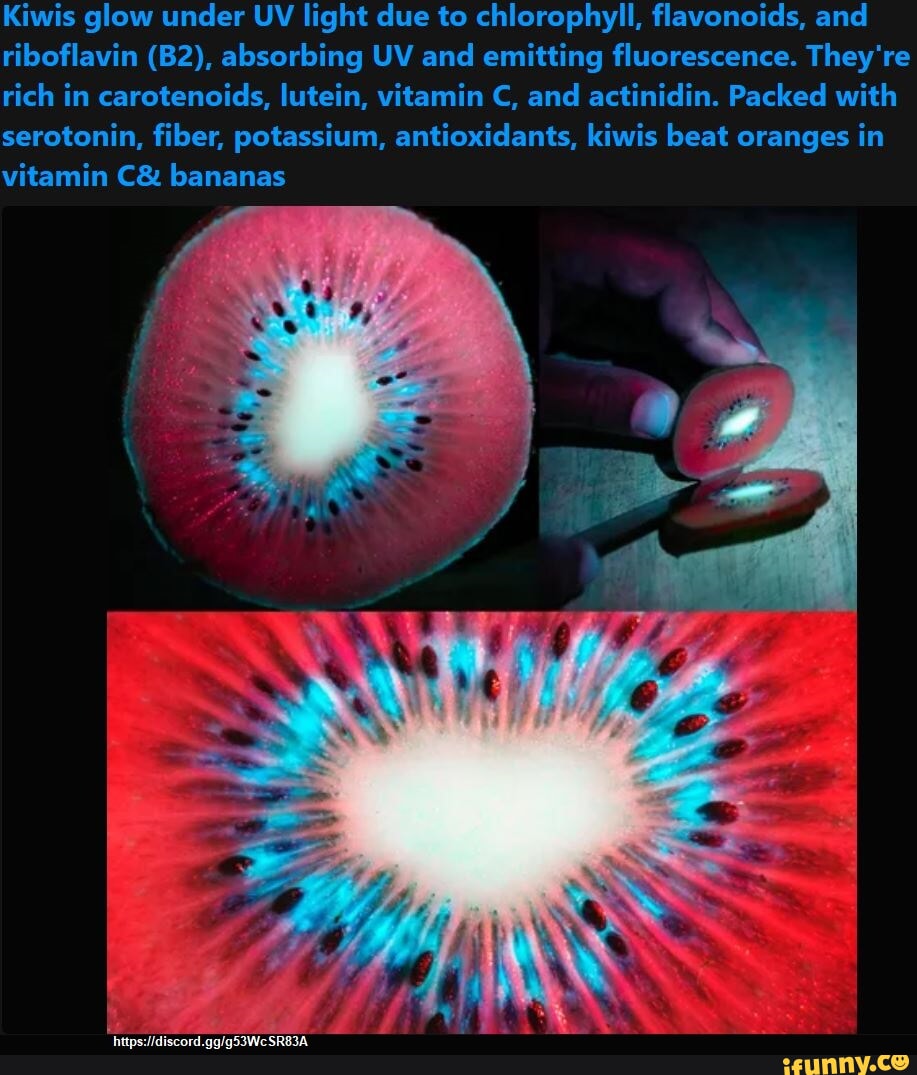
For generations, the orange has reigned supreme as the undisputed monarch of the breakfast table, the lunchbox staple, and the go-to fruit for a vibrant shot of Vitamin C. Its cheerful hue, the invigorating burst of its juice, and its historical association with health and vitality have cemented its place in our collective consciousness. We envision sun-drenched groves, the easy peel of its skin, and the comforting familiarity of its sweet-tart taste. The orange, in many ways, is the quintessential fruit of wellness, an emblem of a simple, potent nutritional truth.
But what if the throne, once thought unshakeable, is being quietly yet decisively usurped? What if a smaller, humbler, and perhaps more enigmatic fruit has been diligently building its case, piece by nutritional piece, to claim the crown for your daily dose of well-being? Enter the kiwi, a fruit often relegated to the exotic, the garnish, or the occasional adventurous snack. Beneath its unassuming fuzzy or smooth skin lies a powerhouse of nutrients, a symphony of compounds that, when examined closely, paint a compelling picture of superiority for consistent, daily consumption.
This isn’t an indictment of the orange; it remains a magnificent fruit with undeniable merits. Rather, this is an invitation to a re-evaluation, a deeper dive into the nuances of nutritional science and the subtle art of daily sustenance. It’s a story of how a quiet revolutionary, often overlooked, is proving itself to be the more potent, more versatile, and ultimately, more beneficial champion for your everyday health. Let’s peel back the layers – both literal and metaphorical – and discover why, in the grand arena of daily nourishment, the kiwi consistently outmaneuvers its citrus counterpart.
The Nutritional Showdown: Beyond the C-List Celebrity
When most people think of oranges, one nutrient immediately springs to mind: Vitamin C. And rightly so; oranges are indeed an excellent source. But in the age of sophisticated nutritional understanding, we’ve learned that health isn’t a one-nutrient show. It’s an intricate dance of vitamins, minerals, fiber, and phytonutrients, all working in concert. And it’s in this broader symphony that the kiwi truly begins to shine.
Vitamin C: The Unsung Victor
Let’s address the elephant in the room first. Yes, oranges are famous for Vitamin C. A medium orange typically provides around 70-80 mg of Vitamin C. Impressive, to be sure. But a single medium kiwi? It often packs a staggering 70-100 mg, and often more for green varieties, with gold kiwis sometimes reaching upwards of 160 mg – sometimes almost double the orange, ounce for ounce.
This isn’t just a numbers game; it’s about the efficiency of your daily intake. If your goal is to hit your daily Vitamin C target (around 75-90 mg for most adults) with a single, delightful fruit, the kiwi offers a more concentrated and often higher dose. Furthermore, the bioavailability of Vitamin C is influenced by other co-factors present in the fruit. While oranges also contain beneficial compounds, the kiwi’s overall nutrient matrix seems to enhance its absorption and utilization within the body, ensuring that more of that precious Vitamin C actually gets to where it needs to go – bolstering your immune system, aiding collagen synthesis, and acting as a potent antioxidant. The kiwi, then, isn’t just participating in the "C" race; it’s often crossing the finish line first, with a stronger, more efficient stride.
Fiber: The Gut’s Best Friend
Here’s where the kiwi truly begins to pull ahead in a significant way. Fiber, the unsung hero of digestive health, is crucial for everything from regularity to satiety to blood sugar control. A medium orange offers about 3 grams of fiber. A medium kiwi, especially if you embrace the often-overlooked skin (which is entirely edible and packed with nutrients), can provide around 3-4 grams of fiber. On the surface, the numbers might seem comparable, but the type and density of fiber in a kiwi tell a different story.
Kiwi boasts both soluble and insoluble fiber. Insoluble fiber adds bulk to stool, promoting regular bowel movements and preventing constipation – a silent epidemic in modern diets. Soluble fiber, on the other hand, forms a gel-like substance in the digestive tract, slowing down the absorption of sugar and helping to regulate blood glucose levels. It also acts as a prebiotic, feeding the beneficial bacteria in your gut, fostering a thriving microbiome – the foundation of overall health, immunity, and even mood.
When you consume an orange, especially if you peel away the pith and membrane, you’re often discarding a significant portion of its fiber content. And if you opt for orange juice, you’re essentially stripping away almost all of it, leaving behind a concentrated sugar bomb. The kiwi, with its soft flesh and tiny, edible seeds (and that skin, again!), ensures you’re getting a complete, intact fiber package. It’s the full orchestra, not just a single instrument. For your daily dose, this comprehensive fiber profile translates to more sustained energy, better digestive comfort, and a happier gut.
Beyond the Usual Suspects: A Deeper Nutritional Dive
The kiwi’s nutritional prowess extends far beyond Vitamin C and fiber, venturing into a diverse array of essential micronutrients that oranges simply can’t match in concentration or presence.
-
Vitamin K: The Overlooked Essential. Oranges contain negligible amounts of Vitamin K. Kiwis, however, are a significant source. Why does this matter for your daily dose? Vitamin K is vital for blood clotting, bone metabolism, and even potentially for heart health. It plays a critical role in directing calcium to your bones and teeth, preventing its accumulation in soft tissues like arteries. For consistent, foundational health, Vitamin K is a non-negotiable, and the kiwi delivers it generously.
-
Vitamin E: The Skin and Cellular Protector. While oranges contain some Vitamin E, kiwis offer a higher concentration, particularly of alpha-tocopherol, the most biologically active form. Vitamin E is a powerful fat-soluble antioxidant that protects cell membranes from oxidative damage, supports immune function, and is crucial for skin health, lending itself to that inner glow we all seek. Paired with its abundant Vitamin C, the kiwi provides a formidable antioxidant duo for cellular defense.
-
Folate (Vitamin B9): The Foundational Nutrient. Both fruits offer folate, essential for cell division, DNA synthesis, and red blood cell formation. It’s particularly critical during periods of rapid growth, like pregnancy. Kiwis typically provide a comparable, if not slightly higher, amount of folate per serving than oranges. For the daily upkeep of cellular health and energy production, folate is a key player, and the kiwi ensures a steady supply.
-
Potassium: The Electrolyte Equilibrium. Both oranges and kiwis are good sources of potassium, an electrolyte vital for maintaining fluid balance, nerve signals, and muscle contractions. It also plays a crucial role in regulating blood pressure. While oranges might have a slight edge in raw potassium numbers for some varieties, the kiwi still offers a substantial amount, contributing to your daily electrolyte needs without the sugar spike often associated with orange juice.
-
Antioxidants: The Full Spectrum Defense. Beyond the headline vitamins, the kiwi boasts a more diverse and robust spectrum of antioxidants. While oranges are rich in flavonoids like hesperidin and naringin, kiwis offer a broader array, including various polyphenols, carotenoids like lutein and zeaxanthin, and chlorogenic acid. Lutein and zeaxanthin are particularly renowned for their role in eye health, protecting against age-related macular degeneration. This broader antioxidant profile means the kiwi offers a more comprehensive defense against oxidative stress, chronic inflammation, and cellular damage – a silent guardian for your long-term health. It’s not just about one powerful antioxidant, but a synergistic team working together to protect every cell in your body.




Post Comment