The Easy Way to Boost Your Immunity: The Power of One Guava a Day
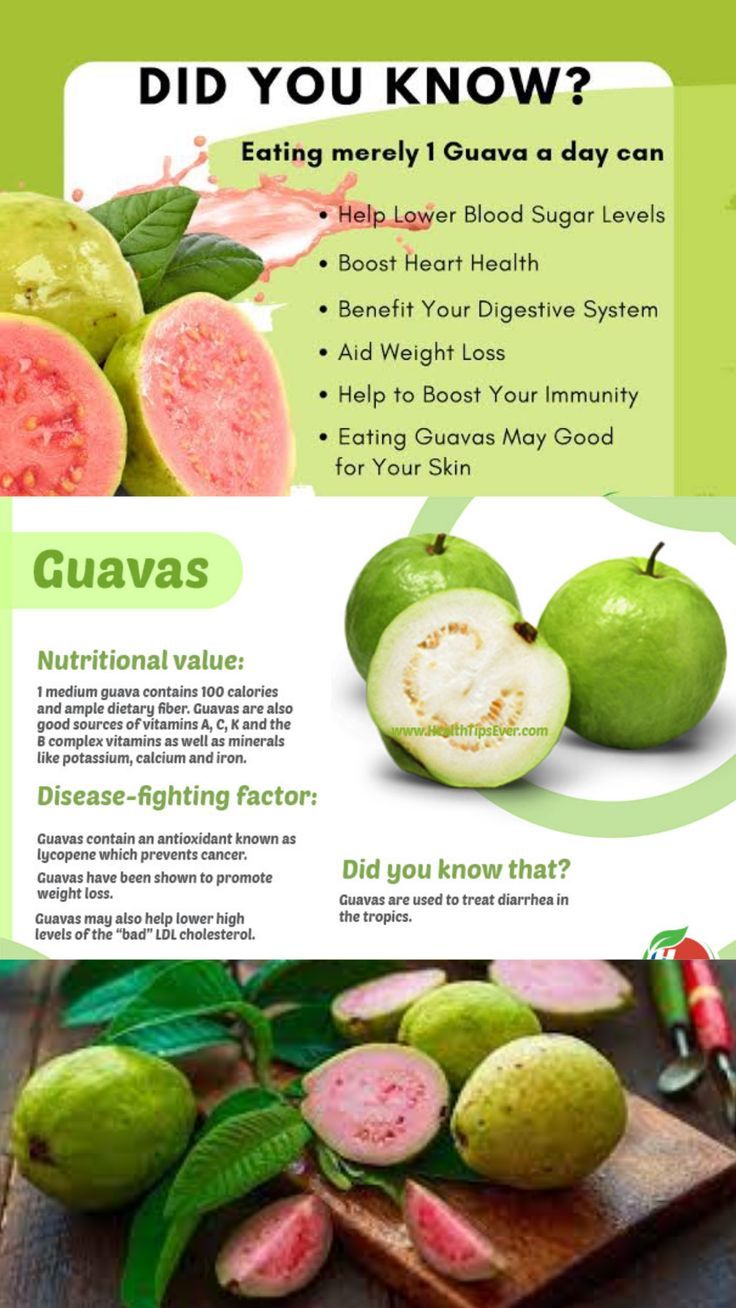
In a world increasingly complex, where the quest for optimal health often leads us down intricate paths of supplements, superfoods, and elaborate diets, there’s a quiet revolution brewing. It’s a return to simplicity, an embrace of nature’s profound wisdom, often encapsulated in the most unassuming forms. And at the heart of this gentle uprising, whispering secrets of robust health, lies a humble, tropical fruit: the guava.
Imagine a single fruit, readily available, bursting with flavor, and possessing an almost mythical capacity to fortify your body’s defenses. It’s not a figment of a health guru’s imagination; it’s the reality of Psidium guajava, the common guava. This isn’t just another fruit to add to your grocery list; it’s a daily ritual, a strategic ally in the ongoing battle for vibrant immunity. This article isn’t merely a recitation of facts; it’s an invitation to uncover the story of this extraordinary fruit, to understand its power, and to embrace the effortless elegance of boosting your immunity with the simple, potent act of enjoying one guava a day.
Our journey will delve deep into the guava’s historical roots, its intricate nutritional profile, the sophisticated mechanisms through which it bolsters our immune system, and the holistic ripple effects that extend far beyond mere disease resistance. For the knowledgeable audience, we aim to move beyond surface-level claims, exploring the science with a narrative flair, allowing the guava’s story to unfold with the richness it deserves.
I. The Whispers of Ancient Wisdom: Guava Through the Ages
Before modern science meticulously dissected its compounds, the guava was already a cherished secret in indigenous cultures across Central and South America. Its origins trace back to regions spanning from Mexico to Peru, where it flourished in tropical and subtropical climates. Long before it graced the fruit bowls of the Western world, the guava was more than just a sweet treat; it was a cornerstone of traditional medicine, a symbol of vitality and resilience.
Ancient civilizations, observing its robust growth and the restorative power it seemed to impart, incorporated guava leaves, bark, and fruit into their healing practices. Decoctions of guava leaves were used to soothe digestive ailments, alleviate fevers, and act as an astringent for wounds. The fruit itself was revered not just for its delightful taste but for its perceived ability to strengthen the body and ward off illness. It traveled across continents with explorers and traders, finding new homes in Asia, Africa, and other tropical regions, each culture adopting and integrating it into their own traditional health narratives. From the bustling markets of India to the serene villages of Southeast Asia, the guava’s reputation as a health-giving fruit grew organically, passed down through generations.
This rich historical tapestry forms the backdrop for our modern understanding. It reminds us that sometimes, the most potent remedies are not newly discovered syntheses but rather timeless gifts from nature, waiting for us to rediscover their profound significance through the lens of contemporary science. The "one guava a day" philosophy, therefore, isn’t a modern invention; it’s an echo of ancient wisdom, amplified by scientific validation.
II. Deconstructing the Fortress: Guava’s Nutritional Blueprint
To truly appreciate the power of one guava a day, we must first understand the intricate architecture of its nutritional content. It’s a veritable treasure chest of vitamins, minerals, and phytonutrients, each playing a crucial, synergistic role in fortifying our body’s defenses.
A. Vitamin C: The Undisputed Sovereign of Immunity
Let’s begin with the crown jewel: Vitamin C. While oranges are often lauded as the poster child for Vitamin C, the guava quietly surpasses them, often containing four to five times more Vitamin C per serving. A single medium-sized guava can provide well over 100% of your daily recommended intake, sometimes even exceeding 200%.
But what does this abundance of Vitamin C truly mean for your immune system?
- Antioxidant Powerhouse: Vitamin C is a potent antioxidant, meaning it neutralizes harmful free radicals that can damage cells and contribute to oxidative stress. This stress weakens the immune system, making the body more susceptible to infections and chronic diseases. By acting as a scavenger, Vitamin C protects immune cells from damage, allowing them to function optimally.
- Immune Cell Support: It’s a vital cofactor for various cellular functions of both the innate and adaptive immune systems. It supports the production and function of white blood cells, including lymphocytes and phagocytes, which are the frontline soldiers against pathogens.
- Phagocytes, such as neutrophils and macrophages, engulf and digest foreign invaders. Vitamin C enhances their ability to seek out and destroy these threats.
- Lymphocytes, including T-cells and B-cells, are critical for adaptive immunity, recognizing and remembering specific pathogens. Vitamin C plays a role in their proliferation and differentiation, ensuring a robust and targeted immune response.
- Barrier Integrity: Vitamin C is essential for collagen synthesis, a crucial protein that maintains the integrity of skin and mucous membranes. These act as the body’s first line of defense, forming physical barriers against invading pathogens. A strong barrier means fewer entry points for infections.
- Reduced Duration and Severity of Colds: Numerous studies have shown that consistent intake of Vitamin C can reduce the duration and severity of common colds and other respiratory infections. While it may not prevent them entirely, it equips your body to fight them off more efficiently.
B. Fiber: The Gut’s Best Friend and Immunity’s Silent Partner
Beyond its superstar Vitamin C content, guava is also an excellent source of dietary fiber – both soluble and insoluble. A single guava can offer around 3 grams of fiber, a significant contribution to your daily needs. While often associated with digestive health, fiber’s role in immunity is increasingly recognized as profound and multifaceted.
- The Gut-Immune Axis: The gut microbiome, a complex ecosystem of trillions of microorganisms residing in our intestines, is intimately linked to our immune system. In fact, an estimated 70-80% of our immune cells reside in the gut-associated lymphoid tissue (GALT). Dietary fiber acts as a prebiotic, feeding the beneficial bacteria in our gut.
- Short-Chain Fatty Acids (SCFAs): When gut bacteria ferment soluble fiber, they produce SCFAs like butyrate, acetate, and propionate. These SCFAs are not just energy sources for colon cells; they are powerful signaling molecules that modulate immune responses. Butyrate, in particular, has strong anti-inflammatory properties and helps maintain the integrity of the gut barrier, preventing "leaky gut" syndrome, which can trigger systemic inflammation and immune dysregulation.
- Mucosal Immunity: A healthy gut microbiome supported by fiber contributes to robust mucosal immunity, the defense system present in the mucous membranes lining our respiratory, digestive, and urogenital tracts. These membranes are primary entry points for pathogens, and a strong mucosal defense is paramount for preventing infections.
- Detoxification and Elimination: Insoluble fiber adds bulk to stool, facilitating regular bowel movements. This aids in the elimination of toxins and waste products from the body, preventing their reabsorption and reducing the burden on the immune system.


Post Comment