Sip Your Way to Immunity: The Antiviral Properties of Fresh Coconut Milk – A Deep Dive into Nature’s Defensive Elixir
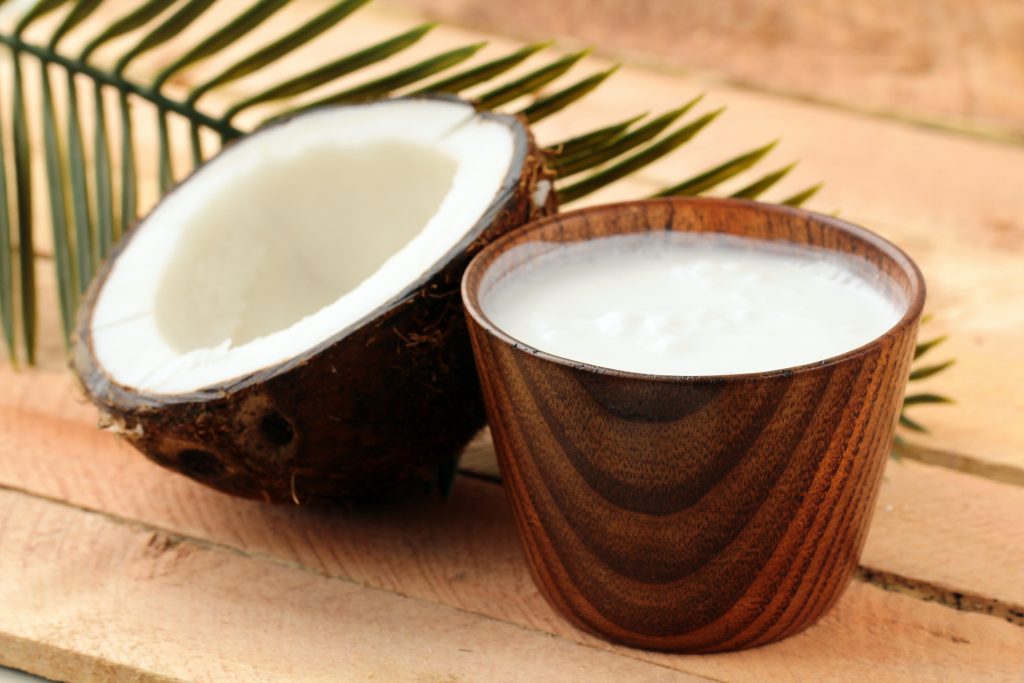
In a world increasingly seeking natural remedies and holistic approaches to health, ancient wisdom often resurfaces, illuminated by modern scientific inquiry. Amidst this quest, the humble coconut, revered across tropical cultures for millennia, offers up one of its most potent treasures: fresh coconut milk. Far from being merely a culinary delight, a creamy base for curries, or a refreshing beverage, fresh coconut milk harbors a complex symphony of compounds that researchers are increasingly recognizing for their remarkable antiviral properties. This is the story of how a staple of tropical diets might become a cornerstone of your immune defense, a delicious elixir silently fortifying your body against unseen threats.
Our journey begins not in a laboratory, but under the swaying fronds of a coconut palm, where the vibrant green fruit holds within it the promise of nourishment and protection. For centuries, communities in Southeast Asia, the Pacific Islands, and parts of Africa have instinctively understood the profound health benefits of the coconut. From its hydrating water to its versatile oil and its rich, creamy milk, every part of this "tree of life" has played a role in traditional medicine. Now, science is catching up, meticulously dissecting the components of fresh coconut milk to unravel its sophisticated mechanisms of action against viral pathogens.
The Anatomy of a Powerhouse: Deconstructing Fresh Coconut Milk
To understand the antiviral prowess of fresh coconut milk, we must first appreciate its intricate composition. Unlike its processed, canned counterparts, fresh coconut milk, extracted directly from the grated meat of mature coconuts, retains a higher concentration of its volatile compounds and nutrients. It is a colloidal suspension, a harmonious blend of water, fats, proteins, carbohydrates, vitamins, and minerals, each playing a crucial role in its overall health benefits.
At the heart of its antiviral story lies its unique fat profile. Fresh coconut milk is rich in medium-chain triglycerides (MCTs), a class of saturated fatty acids that are metabolized differently from long-chain fatty acids. Unlike their longer counterparts, MCTs are rapidly absorbed and transported directly to the liver, where they can be quickly converted into energy or other beneficial compounds. The primary MCTs found in abundance in coconut milk are lauric acid (C12), caprylic acid (C8), and capric acid (C10). While all contribute to the overall antimicrobial landscape, lauric acid emerges as the undisputed star of our narrative.
Beyond these foundational fats, fresh coconut milk is a treasure trove of micronutrients:
- Vitamins: It contains modest amounts of Vitamin C, E, and B vitamins (B1, B3, B5, B6), all of which play roles in immune function and cellular health.
- Minerals: Essential minerals like potassium, magnesium, phosphorus, iron, zinc, and selenium are present. Zinc and selenium, in particular, are critical for a robust immune response, acting as cofactors for numerous enzymes involved in immune cell development and function.
- Electrolytes: Its high electrolyte content, especially potassium, contributes to hydration and cellular integrity, which are fundamental for maintaining optimal physiological processes, including immune surveillance.
- Antioxidants: Phenolic compounds and other phytonutrients within coconut milk contribute to its antioxidant capacity, helping to combat oxidative stress, a key factor in chronic inflammation and weakened immunity.
This complex interplay of components sets the stage for fresh coconut milk’s journey from a simple food item to a potent immune-supporting elixir.
The Antiviral Arsenal: Lauric Acid and Monolaurin – Nature’s Sharpshooter
The primary architect of coconut milk’s antiviral prowess is lauric acid, a medium-chain fatty acid that constitutes roughly 50% of its total fat content. When ingested, lauric acid is enzymatically converted in the body into a monoglyceride called monolaurin. It is monolaurin that emerges as the true immunological sharpshooter, possessing direct and potent antimicrobial properties.
The mechanism by which monolaurin wages war against viruses is both elegant and devastatingly effective. Many viruses, including influenza, herpes simplex virus (HSV), measles, and even certain enveloped RNA viruses like HIV, are encased in a protective lipid envelope. This envelope, derived from the host cell membrane, is crucial for the virus’s ability to attach to host cells, fuse with their membranes, and initiate replication.
Monolaurin, being a monoglyceride, has a unique affinity for these lipid envelopes. It acts as a surfactant, effectively dissolving the lipids that form the viral membrane. Imagine a tiny, molecular detergent that meticulously dismantles the protective barrier of a virus. As the lipid envelope is disrupted, the virus loses its structural integrity. It can no longer bind to host cells, enter them, or replicate its genetic material. The virus is effectively inactivated, rendered harmless, and unable to propagate the infection.
Furthermore, research suggests that monolaurin may not only disrupt the viral envelope but also interfere with the virus’s signaling pathways and replication machinery within the host cell. It can inhibit the maturation of certain viral proteins, preventing the assembly of new viral particles. This dual action – directly attacking the viral structure and impeding its reproductive cycle – makes monolaurin a formidable natural antiviral agent.
While much of the groundbreaking research on monolaurin’s antiviral effects has been conducted in vitro (in test tubes or cell cultures), the consistency of these findings across various enveloped viruses is compelling. The scientific community is actively exploring its potential against a broad spectrum of pathogens, and the promise it holds for natural viral defense is immense.
Beyond Monolaurin: The Supporting Cast for Immunity
While monolaurin holds the spotlight, it is crucial to recognize that fresh coconut milk’s antiviral capabilities are not a solo act. A powerful ensemble of other components works in concert to bolster the immune system and create an environment less hospitable to viral invaders.
-
Other Medium-Chain Triglycerides (MCTs): Caprylic and Capric Acid
Like lauric acid, caprylic (C8) and capric (C10) acids also convert into monoglycerides (monocaprylin and monocaprin) in the body. While perhaps less potent than monolaurin in antiviral action, they possess significant antimicrobial properties against a wider range of pathogens, including bacteria, fungi, and yeasts. By helping to maintain a healthy microbial balance in the gut and on mucosal surfaces, they indirectly support the immune system by reducing the burden of opportunistic infections and preventing dysbiosis, which can compromise immune function. -
Antioxidants: Battling Oxidative Stress
Viral infections often trigger an increase in oxidative stress within the body. This phenomenon, characterized by an imbalance between free radicals and antioxidants, can damage cells, DNA, and proteins, exacerbating inflammation and impairing immune responses. Fresh coconut milk, with its array of antioxidants including Vitamin C, Vitamin E, and selenium, helps to neutralize these harmful free radicals. By reducing oxidative damage, it protects immune cells, supports their optimal function, and helps to mitigate the inflammatory cascade that can accompany viral illness, allowing the body to mount a more efficient and less destructive immune response.


Post Comment