Sweet Marjoram: Why This Mediterranean Herb Is Your New Wellness Staple
Imagine the sun-drenched hills of the Mediterranean, where ancient olive groves cast long shadows and the air is thick with the scent of wild herbs. Amidst this aromatic tapestry, a quiet yet profoundly powerful plant often goes unnoticed, overshadowed by its more pungent cousin, oregano. Yet, it is this very subtlety, this delicate warmth and profound versatility, that makes Sweet Marjoram (Majorana hortensis, often classified as Origanum majorana) not just a culinary delight, but a deeply therapeutic wellness staple waiting to be rediscovered.
For centuries, Marjoram has whispered its secrets to those who listened. From the garlands adorning lovers in ancient Greece to the medicinal poultices of Egyptian healers, its story is intertwined with human health and happiness. Today, in an age where the pursuit of holistic well-being is paramount, this unassuming herb is poised to reclaim its rightful place as a cornerstone of natural living, offering a gentle yet potent array of benefits that nourish the body, calm the mind, and uplift the spirit.
This is not merely a botanical profile; it’s an invitation to embark on a journey with an herb that embodies warmth, comfort, and healing. We will delve into its storied past, unravel its botanical intricacies, explore the science behind its myriad wellness benefits, and discover practical ways to weave its magic into your daily life. For the discerning individual seeking effective, natural solutions, Sweet Marjoram isn’t just an herb; it’s a profound connection to ancient wisdom and a gentle guide to modern well-being.
A Whisper from Antiquity: Marjoram’s Storied Past
The narrative of Sweet Marjoram is as rich and intricate as its aromatic leaves. Its origins are deeply rooted in the Mediterranean basin and North Africa, where it thrived in warm, sunny climates, capturing the essence of the land it grew upon.
The Greek & Roman Embrace: It was the ancient Greeks who perhaps gave marjoram its most poetic moniker: "joy of the mountains." They believed it was created by Aphrodite, the goddess of love, symbolizing happiness, love, and protection. Brides and grooms would wear wreaths of marjoram at their weddings, hoping to attract blessings and ensure a joyous union. Its aromatic presence was thought to ward off evil spirits and bring good fortune. Beyond symbolism, Hippocrates, the father of medicine, and other Greek physicians utilized marjoram for its digestive, antiseptic, and respiratory benefits. They brewed it into teas to alleviate coughs, colds, and indigestion, and applied it topically for various ailments.
The Romans, inheriting much of their botanical knowledge from the Greeks, similarly cherished marjoram. They cultivated it extensively, incorporating it into their cuisine, perfumes, and medicinal practices. Roman cooks prized its delicate flavor, using it in a wide array of dishes, much as we do today. Pliny the Elder, in his monumental work Naturalis Historia, documented its medicinal properties, further cementing its reputation as a valuable therapeutic herb.
Egyptian Elixirs and Medieval Charms: Further south, the ancient Egyptians recognized marjoram’s potent properties. Evidence suggests they used it not only for medicinal purposes but also in their embalming processes, highlighting its preservative and antimicrobial qualities. Its fragrant essence was also employed in rituals and perfumes, underscoring its multifaceted value in their sophisticated society.
As centuries turned, marjoram’s fame spread across Europe. During the Middle Ages, it was often used as a strewing herb, scattered across floors to freshen the air and repel insects, a testament to its pleasing aroma and insecticidal properties. Herbalists continued to employ it for its traditional uses, from soothing upset stomachs to easing the discomfort of colds and flu. It also found its way into folk magic, believed to protect homes from malevolent forces and to attract love and happiness.
From Folk Medicine to Modern Science: Over time, as botanical knowledge evolved, the distinct characteristics of sweet marjoram began to be more clearly defined, differentiating it from its wilder, more robust relatives like oregano. While oregano (especially Origanum vulgare) is often bolder and more pungent, Sweet Marjoram offers a softer, sweeter, almost floral-woody aroma that makes it uniquely appealing. This distinction is crucial, as their chemical profiles, while sharing some commonalities, lead to subtly different therapeutic applications.
Today, modern science has begun to peel back the layers of anecdotal wisdom, confirming many of the traditional uses of Sweet Marjoram. Researchers are isolating its active compounds, understanding their mechanisms of action, and validating its historical role as a guardian of health. This journey from ancient myth to contemporary pharmacology underscores the enduring power and relevance of this remarkable Mediterranean herb.
The Botanical Portrait: Decoding Majorana hortensis
To truly appreciate Sweet Marjoram, one must understand its botanical identity. While often confused with oregano, especially given the taxonomic fluidity that sometimes places it within the Origanum genus, Majorana hortensis (or Origanum majorana) possesses distinct characteristics that set it apart.
Family Ties: Sweet Marjoram belongs to the sprawling and aromatic Lamiaceae family, commonly known as the mint family. This family is a treasure trove of culinary and medicinal herbs, including mint, basil, thyme, rosemary, and lavender. Members of this family are typically characterized by square stems, opposite leaves, and often highly aromatic foliage due to the presence of essential oil glands.
Distinction from Oregano: This is a point of frequent confusion, even among knowledgeable enthusiasts. While both are Lamiaceae members and share some superficial resemblances, their chemical compositions and resulting aromatic and therapeutic profiles differ significantly.
- Origanum vulgare (Common Oregano): Often more robust, with a pungent, spicy, and sometimes bitter flavor. Its essential oil is typically high in carvacrol and thymol, powerful phenolic compounds known for their strong antimicrobial and anti-inflammatory properties.
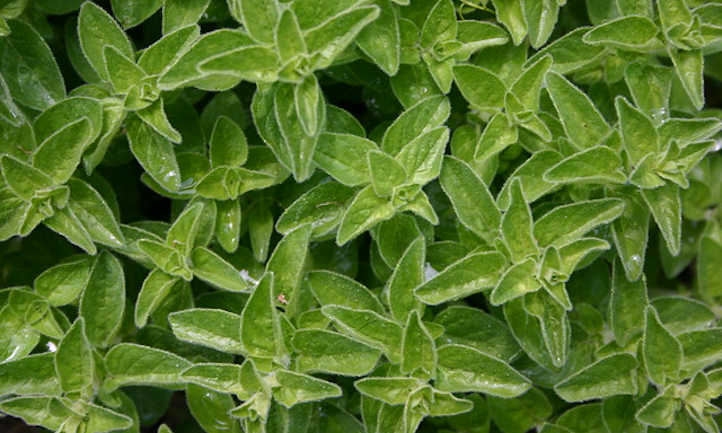
- Majorana hortensis (Sweet Marjoram): Tends to be a more tender plant, often grown as an annual in temperate climates (though a perennial in warmer zones). Its leaves are typically rounder, softer, and a lighter green, often covered with fine hairs, giving them a velvety feel. The flowers are small, often white or pale pink, appearing in knot-like clusters, which gives rise to its alternative name, "knotted marjoram."
The aroma and flavor of Sweet Marjoram are distinctly sweeter, milder, and more delicate than common oregano. It has warm, woody, slightly floral, and subtly citrusy notes, lacking the intense peppery kick of its cousin. This difference is largely due to its unique chemical fingerprint.
The Chemical Fingerprint: The therapeutic prowess of Sweet Marjoram lies in its complex array of volatile compounds. Its essential oil, derived primarily from the leaves and flowering tops, is particularly rich in:
- Terpinen-4-ol: A monoterpene alcohol, often a major constituent, known for its antiseptic, anti-inflammatory, and immune-modulating properties. It contributes significantly to marjoram’s gentle, soothing qualities.
- Sabinene: A monoterpene that imparts a fresh, woody, and slightly spicy note. It also exhibits anti-inflammatory and antioxidant activities.
- γ-Terpinene: Another monoterpene, contributing to its fresh aroma and acting as an antioxidant.
- α-Terpineol: Adds a pleasant floral-pine aroma and possesses antimicrobial properties.
- Linalool: A monoterpene alcohol found in many floral scents, known for its calming and sedative effects.
- Other constituents: Smaller amounts of cis-sabinene hydrate, β-caryophyllene, and trace amounts of phenolic compounds like carvacrol and thymol (though significantly less than in oregano), along with flavonoids and tannins, contribute to its overall therapeutic synergy.


Post Comment