The Quiet Alchemist: Unveiling the Secret Health Benefits of Marjoram
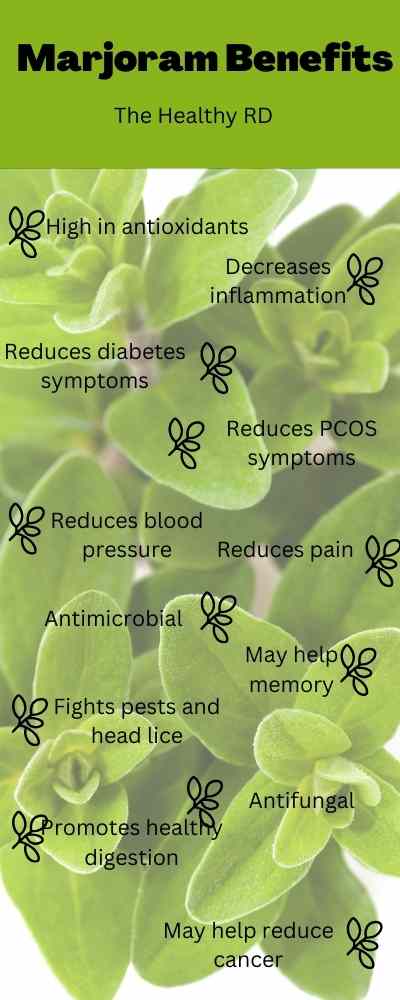
In the vast, verdant tapestry of nature, where every leaf and blossom holds a secret, there are certain plants that whisper their wisdom rather than shout. Among these quiet alchemists, few are as unassuming yet profoundly potent as Marjoram ( Origanum majorana). Often overshadowed by its more pungent cousin, oregano, marjoram has quietly graced our kitchens and apothecaries for millennia, a verdant jewel whose true health benefits have remained, for many, a beautiful secret.
This is a story not just of a herb, but of a journey – a journey through ancient lore, sophisticated chemistry, and modern scientific discovery, revealing how this delicate aromatic plant holds a universe of wellness within its tender leaves. For the knowledgeable seeker, for those who understand that true healing often lies in the nuanced interactions of nature’s bounty, the tale of marjoram’s health prowess is a compelling narrative of quiet power.
Chapter 1: Echoes from Antiquity – Marjoram’s Mythical Roots and Early Wisdom
Our story begins not in a laboratory, but in the sun-drenched landscapes of the Mediterranean, where marjoram’s legacy was first etched into the annals of human civilization. To the ancient Greeks, marjoram was known as "joy of the mountains," a symbol of happiness and well-being. Myth has it that Aphrodite, the goddess of love, herself cultivated marjoram, bestowing upon it its sweet, warm fragrance. This divine association led Greeks to crown newly married couples with marjoram wreaths, believing it would bless their union with happiness and love.
The Romans, ever practical yet appreciative of beauty, quickly adopted marjoram, valuing it not only for its culinary charm but also for its perceived medicinal virtues. They used it to aid digestion, soothe nervous disorders, and even as an antidote to poisons. Dioscorides, the renowned Greek physician and botanist of the 1st century AD, meticulously documented marjoram’s properties in his seminal work, De Materia Medica, describing its warming, drying, and tonic effects.
Throughout the Middle Ages, marjoram continued its quiet work. Monks cultivated it in monastery gardens, using it to alleviate coughs, colds, and menstrual discomfort. It was a common ingredient in possets and poultices, a testament to its broad spectrum of traditional applications. This long, unbroken chain of historical use, stretching from mythical gods to medieval herbalists, serves as the prologue to our deeper exploration. It suggests, with the weight of centuries, that there is more to this herb than meets the eye – or the palate.
Chapter 2: The Alchemist’s Pantry – Decoding Marjoram’s Molecular Magic
To truly understand marjoram’s "secret" health benefits, we must delve into its very essence – its intricate chemical composition. This is where the ancient wisdom meets modern science, revealing the molecular dance responsible for its profound effects. Marjoram is not merely a collection of flavorful compounds; it is a complex symphony of bioactive molecules, each playing a crucial role in its therapeutic profile.
At the heart of marjoram’s medicinal power lie its essential oils, a volatile treasury of compounds that contribute to its characteristic aroma and its most potent actions. These include:
- Terpinen-4-ol: A major constituent, particularly in sweet marjoram, known for its strong antimicrobial and anti-inflammatory properties.
- Sabinene: Contributes to the woody, spicy notes and possesses anti-inflammatory and antioxidant activities.
- γ-Terpinene: Another terpene with notable antioxidant and anti-inflammatory effects.
- Linalool: Imparts a floral, slightly spicy scent and is recognized for its calming, anxiolytic properties.
- Carvacrol and Thymol: While present in smaller quantities than in oregano, these powerful phenolic compounds still contribute significantly to marjoram’s antimicrobial and antioxidant punch.
- Flavonoids: These plant pigments, such as diosmetin and luteolin, are potent antioxidants and also contribute to anti-inflammatory processes.
- Phenolic Acids: Rosmarinic acid, a prominent phenolic acid, is a well-documented antioxidant and anti-inflammatory agent, often found in high concentrations in Lamiaceae family members.
It is the synergistic interplay of these compounds, rather than the action of any single molecule, that orchestrates marjoram’s holistic therapeutic effects. This is the very definition of phytocomplexity, where the sum is far greater than its individual parts – a principle well understood by knowledgeable herbalists and increasingly validated by scientific research.
Chapter 3: The Unveiling – Marjoram’s Secret Health Benefits in Detail
Now, let us systematically peel back the layers and uncover the profound health benefits that make marjoram a true quiet alchemist.
3.1. The Shield Against Oxidative Stress: Marjoram as a Potent Antioxidant
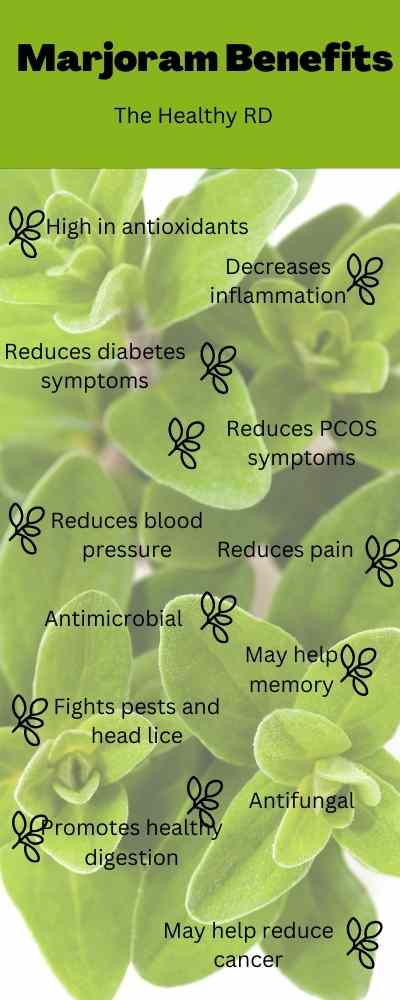
Our bodies are constantly under siege from free radicals, unstable molecules that can damage cells, proteins, and DNA, leading to oxidative stress – a primary driver of aging and chronic diseases like cancer, heart disease, and neurodegenerative disorders. Marjoram stands as a formidable shield against this relentless assault.
The rich concentration of phenolic compounds (like rosmarinic acid, carvacrol, and thymol) and flavonoids makes marjoram an exceptional antioxidant. These compounds act as free radical scavengers, neutralizing these harmful molecules before they can wreak havoc. They also help to chelate metal ions that can catalyze oxidative reactions and enhance the activity of endogenous antioxidant enzymes within the body.
In vitro studies have consistently demonstrated marjoram’s high antioxidant capacity, often comparable to or exceeding that of well-known antioxidant-rich foods. This means that regular inclusion of marjoram in one’s diet isn’t just about flavor; it’s a proactive step in protecting cellular integrity and mitigating the insidious march of oxidative damage, offering a secret weapon in the quest for longevity and vitality.
3.2. Quelling the Flames: Marjoram’s Anti-inflammatory Prowess
Chronic inflammation is a silent saboteur, underpinning a myriad of modern ailments from arthritis and irritable bowel syndrome to cardiovascular disease and certain cancers. Marjoram’s narrative as an anti-inflammatory agent is compelling, rooted in its rich palette of compounds that orchestrate a molecular dance to quell systemic inflammation.
Key players in this arena include rosmarinic acid, terpinen-4-ol, and sabinene. These compounds work through various mechanisms:


Post Comment