The Silent Symphony: Can Mineral Water Tune the Heart’s Rhythm and Manage Blood Pressure?
A Prelude to the Heart’s Unseen Battles
Imagine the human heart, a tireless maestro conducting an unseen orchestra within the chest. Each beat, a note; each vessel, a string; each cell, a player contributing to the grand symphony of life. When this symphony falters, when the rhythm becomes irregular or the pressure within the system rises, the harmony is disrupted. Hypertension, or high blood pressure, is one of the most pervasive and insidious disruptors, often working silently, without a single discernible symptom, until its damage is profound. It’s a condition that affects billions worldwide, a silent epidemic whispering threats of heart attack, stroke, and kidney disease.
In our relentless pursuit of wellness, we often seek not just cures, but preventative measures, lifestyle modifications that can tilt the scales in our favour. We focus on diet, exercise, stress reduction, and the fundamental elixir of life: water. But what if the water itself held a secret? What if its very composition, enriched by the earth’s embrace, could play a unique role in tempering the heart’s pressures? This is the intriguing proposition we embark upon today: exploring the intricate relationship between heart health, hydration, and the often-overlooked potential of mineral water in the complex dance of blood pressure management.
For the knowledgeable audience, this isn’t just a surface-level inquiry. It’s a deep dive into physiology, geochemistry, clinical evidence, and the nuanced interplay of elements that define our internal landscape. It’s a story not of magic bullets, but of informed choices, critical thinking, and the subtle power of consistent, mindful engagement with our health.
The Relentless Pressure: Understanding Hypertension’s Grip
Before we explore potential solutions, we must first understand the adversary. Hypertension is not merely a number on a cuff; it’s a chronic medical condition characterized by persistently elevated blood pressure in the arteries. This sustained force puts undue strain on the heart, forcing it to work harder to pump blood, and damages the delicate endothelial lining of blood vessels, paving the way for atherosclerosis – the hardening and narrowing of arteries.
The mechanisms behind hypertension are multifactorial and often interconnected. They involve:
- The Renin-Angiotensin-Aldosterone System (RAAS): A complex hormonal cascade that regulates blood volume and vascular tone. Overactivity here can lead to vasoconstriction (narrowing of blood vessels) and increased sodium and water retention, both elevating blood pressure.
- Sympathetic Nervous System Overactivity: Chronic stress or certain lifestyle factors can lead to an overactive "fight or flight" response, constricting blood vessels and increasing heart rate.
- Endothelial Dysfunction: The inner lining of blood vessels, the endothelium, plays a crucial role in regulating vascular tone by producing substances like nitric oxide, a potent vasodilator. Damage or dysfunction here impairs its ability to relax vessels.
- Sodium Sensitivity: For many, excessive dietary sodium intake leads directly to increased blood volume and blood pressure.
- Inflammation and Oxidative Stress: These cellular processes can contribute to arterial stiffness and damage.
The consequences of uncontrolled hypertension are dire, ranging from heart attack and stroke to kidney failure, vision loss, and peripheral artery disease. It underscores the critical importance of effective management, which typically involves a combination of lifestyle modifications and, often, pharmacological interventions.
The Elixir of Life: Hydration’s Unsung Role
Water, seemingly simple, is anything but. It constitutes roughly 60% of an adult’s body weight and is indispensable for virtually every physiological process. It’s the solvent for nutrients, the medium for waste removal, the regulator of body temperature, and the lubricant for joints. Crucially, it plays a direct role in maintaining blood volume and, by extension, blood pressure.
Dehydration and its Cardiovascular Impact:
When the body becomes dehydrated, several compensatory mechanisms kick in, many of which can adversely affect blood pressure:
- Reduced Blood Volume: Less water in the system means less plasma, leading to a decrease in overall blood volume.
- Increased Blood Viscosity: With less water, blood becomes thicker, making it harder for the heart to pump and potentially increasing resistance in the vessels.
- Sympathetic Nervous System Activation: The body responds to dehydration by activating the sympathetic nervous system, leading to vasoconstriction (narrowing of blood vessels) and an increase in heart rate – both of which elevate blood pressure.
- Hormonal Changes: The RAAS is activated to conserve water, leading to increased levels of angiotensin II and aldosterone, which further promote vasoconstriction and sodium retention.
While acute severe dehydration can lead to a drop in blood pressure (hypotension), chronic mild dehydration, a far more common scenario, can paradoxically contribute to elevated blood pressure over time due to sustained sympathetic activation and hormonal imbalances. Adequate hydration, therefore, is not just about quenching thirst; it’s about maintaining optimal blood volume, viscosity, and endothelial function, all critical for cardiovascular health. The general recommendation to drink plenty of water throughout the day is a cornerstone of heart-healthy living, but the question remains: does the type of water matter?
Beyond H2O: The Intricacies of Mineral Water
This brings us to the heart of our inquiry: mineral water. Unlike tap water, which undergoes treatment and filtration, or purified bottled water, which is stripped of most of its dissolved solids, natural mineral water originates from underground sources, protected from pollution, and is characterized by its consistent composition of minerals and trace elements. These elements are absorbed as the water filters through various geological strata, picking up a unique "fingerprint" of dissolved solids.
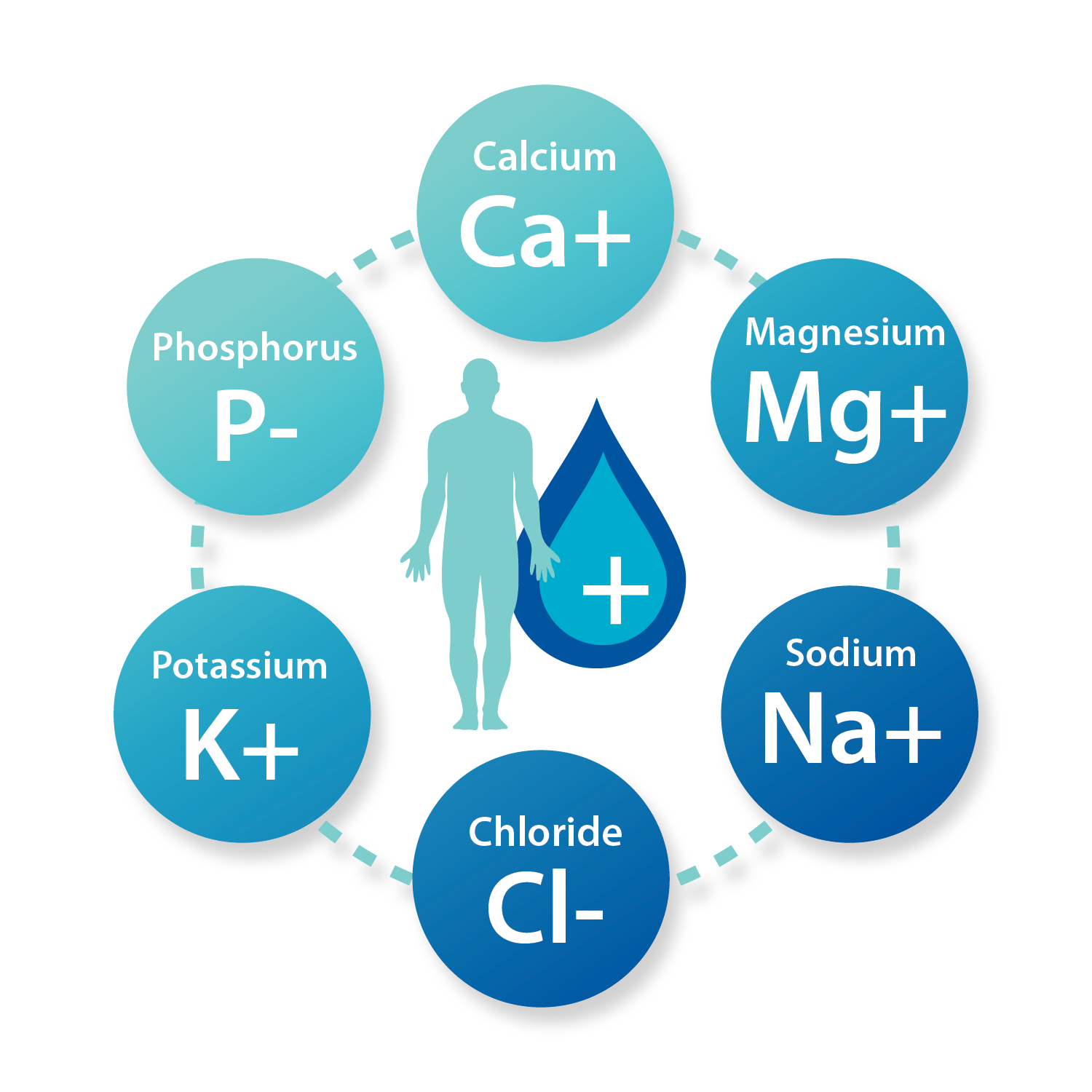
The specific mineral profile of a water source is paramount. It’s not just "mineral water" but "this mineral water," each with its own therapeutic potential, or indeed, its own caveats. For our discussion on blood pressure, several key minerals stand out:




Post Comment