Vitamin C and Beyond: What Happens to Your Body When You Drink Lime Water Daily
The Genesis of a Habit: Elara’s Quest for Zest
Elara, a woman in her late thirties navigating the demanding currents of a marketing career and the vibrant chaos of a young family, often found herself adrift in a sea of fatigue and a persistent sense of ‘just okay.’ She ate reasonably well, exercised sporadically, and chased sleep with the zeal of a marathon runner, yet a certain vitality eluded her. Her mornings began with coffee, her afternoons often succumbed to sugary snacks, and her evenings ended with a sigh.
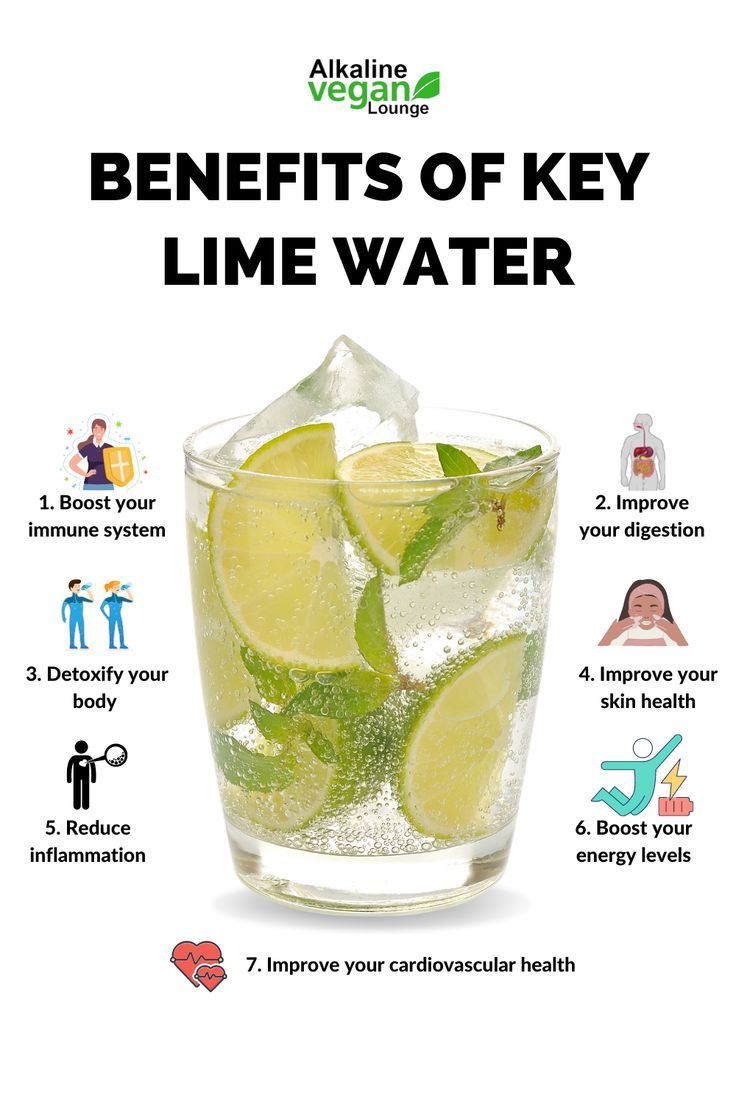
One crisp autumn morning, scrolling through a wellness blog during a rare quiet moment, Elara stumbled upon a simple suggestion: start your day with a glass of warm water infused with fresh lime. The article, rife with anecdotes of improved digestion, brighter skin, and an inexplicable lift in mood, struck a chord. It wasn’t a magic pill, nor a restrictive diet; it was just… lime water. Intrigued by its unassuming nature, and armed with a bag of limes from her last grocery run, Elara decided to embark on a 30-day experiment. Little did she know, this seemingly minor alteration would set in motion a profound, multifaceted transformation, reaching far beyond the simple act of quenching thirst, delving deep into the intricate biochemistry of her body. Her journey would become a living testament to the powerful, often underestimated, ripple effects of consistent, natural interventions.
Chapter 1: The Humble Lime – A Nutritional Powerhouse Unveiled
Before we delve into Elara’s unfolding experience, it’s crucial to understand the star of our story: the lime. Often overshadowed by its citrus cousin, the lemon, the lime (specifically Citrus aurantifolia or Citrus latifolia varieties) is far more than just a sour garnish. While its most celebrated component is undoubtedly Vitamin C, its nutritional symphony is far richer and more complex.
Vitamin C: The Ascorbic Acid Anchor
Ascorbic acid, or Vitamin C, is a water-soluble vitamin, meaning it’s not stored in the body and must be replenished daily. Its historical significance is etched in the annals of maritime history, where its absence led to the devastating scourge of scurvy, a disease marked by bleeding gums, fatigue, and impaired wound healing. Today, we understand Vitamin C’s pivotal roles:
- Potent Antioxidant: Vitamin C is a formidable warrior against oxidative stress. Free radicals, unstable molecules generated by metabolic processes and environmental factors (pollution, UV radiation), can damage cells, proteins, and DNA, contributing to aging and chronic diseases like cancer, heart disease, and neurodegenerative disorders. Vitamin C neutralizes these free radicals, acting as a crucial first line of defense.
- Collagen Synthesis: This is perhaps one of Vitamin C’s most vital functions. Collagen is the most abundant protein in the human body, forming the structural framework for skin, bones, tendons, ligaments, cartilage, and blood vessels. Vitamin C is an essential co-factor for the enzymes (prolyl hydroxylase and lysyl hydroxylase) that stabilize and cross-link collagen fibers, ensuring their strength and integrity. Without adequate Vitamin C, collagen production falters, leading to the tissue fragility seen in scurvy.
- Immune System Modulator: Vitamin C enhances various aspects of immune function. It supports the production and function of phagocytes (immune cells that engulf pathogens) and lymphocytes (T-cells and B-cells, crucial for specific immunity). It also helps regenerate other antioxidants, like Vitamin E, further bolstering the body’s defense mechanisms.
- Neurotransmitter Production: It’s involved in the synthesis of certain neurotransmitters, including norepinephrine, which plays a role in mood, alertness, and cognitive function.
- Iron Absorption: Vitamin C significantly enhances the absorption of non-heme iron (iron from plant sources), a critical benefit for vegetarians and vegans.
Beyond Vitamin C: The Unsung Heroes of Lime
While Vitamin C often hogs the spotlight, lime is a veritable treasure trove of other bioactive compounds that work in concert, creating synergistic effects that amplify its health benefits.
- Flavonoids: These are a diverse group of plant pigments with powerful antioxidant and anti-inflammatory properties. Limes are particularly rich in flavanones like hesperidin, naringin, and eriocitrin. These compounds have been studied for their potential cardiovascular benefits, including improving blood vessel function, reducing blood pressure, and lowering cholesterol. They also exhibit neuroprotective and anti-cancer properties.
- Limonoids: Unique to citrus fruits, limonoids like limonin and nomilin are phytochemicals that have garnered significant scientific attention. Research suggests these compounds possess potent anti-cancer activity, particularly against cancers of the breast, colon, and prostate. They also show promise in reducing cholesterol levels and exhibiting antiviral and antibacterial effects.
- Pectin: The soluble fiber found in the cell walls of limes. Pectin contributes to a feeling of fullness, helps regulate blood sugar by slowing glucose absorption, and acts as a prebiotic, feeding beneficial gut bacteria.
- Trace Minerals and Vitamins: Limes contain smaller amounts of potassium (important for blood pressure and fluid balance), folate (crucial for DNA synthesis and cell division), and other B vitamins.
This intricate chemical tapestry explains why a simple glass of lime water is far more than just a Vitamin C supplement. It’s a complex botanical extract, poised to interact with Elara’s physiology in myriad ways, touching upon her digestion, metabolism, immunity, and even her mental state.
Chapter 2: The Digestive Symphony – First Stop on the Journey
Elara’s daily ritual began simply: squeeze half a lime into a glass of warm water and drink it before anything else. The immediate sensation was a pleasant tang, a gentle awakening of her senses. But beneath this surface experience, a complex cascade of events was unfolding within her digestive system.
The Oral Cavity: A Double-Edged Sword
The first point of contact for lime water is the mouth. The immediate effect is a stimulation of salivary glands, an important first step in digestion. Saliva not only moistens food but also contains enzymes like amylase, which begins the breakdown of carbohydrates. This increased salivation can contribute to a cleaner mouth feel and may even help neutralize some oral bacteria.
However, this is where the first crucial caveat emerges: dental enamel erosion. Limes are acidic, with a pH typically between 2.0 and 2.8. Frequent exposure to acidic beverages can demineralize tooth enamel, making teeth more susceptible to decay and sensitivity. Elara, being knowledgeable, quickly adopted preventative measures:



Post Comment