The Emerald Revolution: Why Kiwis Beat Oranges for Your Daily Dose
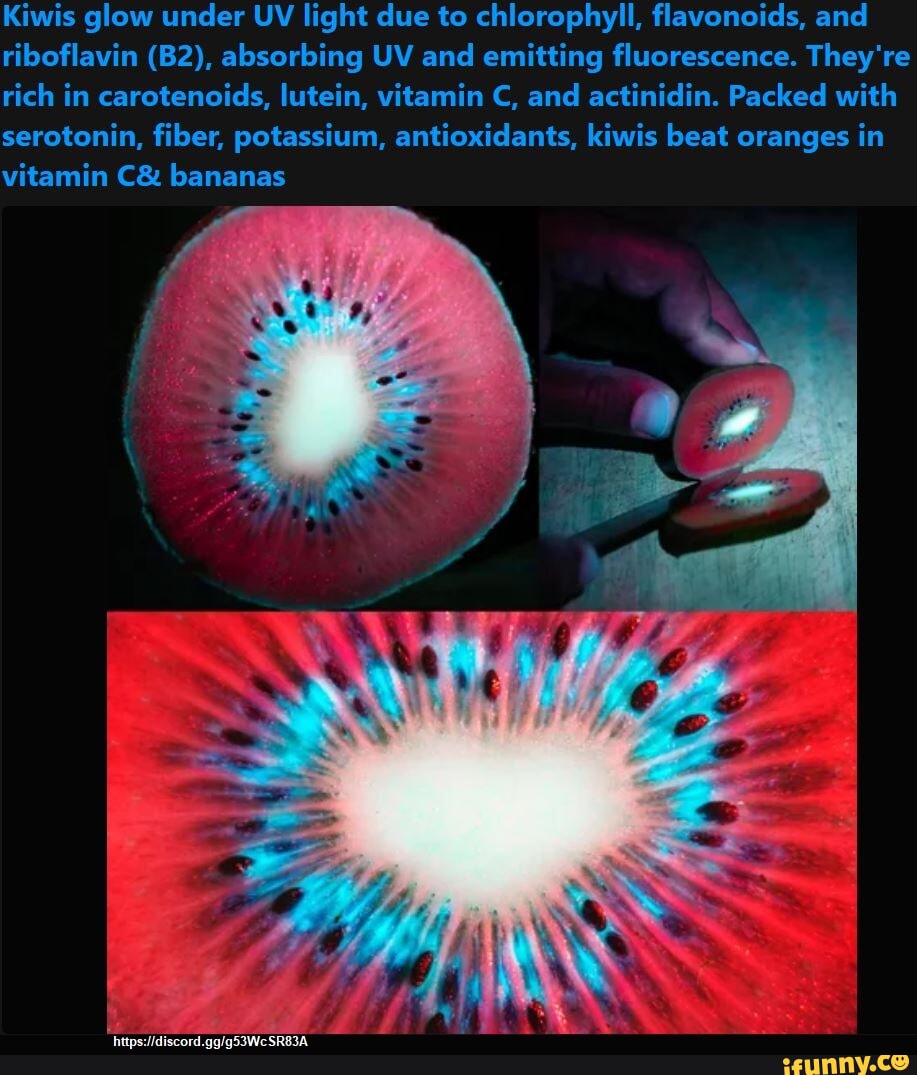
For generations, the orange has worn the crown of the daily fruit champion. Its bright, cheerful hue and tangy sweetness have become synonymous with a healthy start, a vitamin boost, and a reliable shield against the sniffles. From breakfast tables to school lunchboxes, the orange has reigned supreme, lauded as the quintessential source of Vitamin C. But what if the story we’ve been told, the narrative we’ve accepted without question, is due for a vibrant, emerald-green revision? What if the humble kiwi, often relegated to the exotic fruit platter or a fleeting smoothie ingredient, is in fact the unsung hero, poised to dethrone the citrus monarch and claim its rightful place as the ultimate daily dose?
This isn’t merely a culinary preference or a whimsical suggestion; it’s a deep dive into nutritional science, enzymatic power, and a holistic approach to well-being that reveals why the fuzzy, green-fleshed wonder consistently outperforms its sunny counterpart. Prepare to embark on a journey of discovery that will forever change the way you perceive your morning fruit, proving that when it comes to comprehensive daily nourishment, the kiwi doesn’t just compete – it decisively conquers.
The Myth of the Orange: A Nutritional Reassessment
Let’s begin by acknowledging the orange’s undeniable strengths. It is, without a doubt, a good source of Vitamin C, a potent antioxidant crucial for immune function, collagen synthesis, and protecting cells from damage. It also offers a decent amount of fiber, some potassium, and various flavonoids. For decades, these attributes have cemented its position. But the narrative often stops there, glossing over its limitations and the vast, diverse spectrum of nutrients that other fruits, particularly the kiwi, bring to the table.
The orange’s biggest claim to fame, Vitamin C, while significant, is often exaggerated in comparison to its less heralded competitors. Furthermore, the popularity of orange juice, stripped of its beneficial fiber and concentrated into a sugary liquid, has inadvertently diluted the orange’s overall health message. While a whole orange is certainly a healthy choice, its dominion rests heavily on a single nutrient, making it a powerful but ultimately one-dimensional player in the complex symphony of daily nutrition.
Kiwi’s Ascendance: A Symphony of Nutrients
To truly understand why the kiwi is the superior daily fruit, we must look beyond the singular spotlight and appreciate its multi-faceted nutritional profile. It’s not just about one star nutrient; it’s about a harmonious blend of vitamins, minerals, enzymes, and phytonutrients that work synergistically to elevate health across multiple systems.
1. Vitamin C: The Unsung Champion
Let’s tackle the orange’s perceived stronghold first. While an average orange contains around 53 mg of Vitamin C per 100g, a serving of kiwi (also around 100g, or roughly two small kiwis) often boasts a staggering 92.7 mg – nearly double the amount. This isn’t a marginal difference; it’s a substantial boost in the very nutrient for which oranges are most celebrated. This means that with a single, small fruit, you’re getting a significantly more potent immune-boosting, skin-rejuvenating dose of Vitamin C from a kiwi than from an orange. The narrative that oranges are the ultimate C-source simply doesn’t hold up under scrutiny.
2. Fiber: The Gut’s Best Friend
Beyond Vitamin C, the kiwi truly begins to shine in areas where the orange offers only moderate benefits. Fiber is paramount for digestive health, blood sugar regulation, and even satiety. A medium orange provides about 3.1 grams of fiber. A 100g serving of kiwi, however, delivers approximately 3 grams, which might seem similar at first glance. But the type and balance of fiber in kiwi are particularly noteworthy. Kiwis contain both soluble and insoluble fiber in a balanced ratio.
Insoluble fiber acts as a bulking agent, promoting regularity and preventing constipation, a common modern ailment. Soluble fiber, on the other hand, forms a gel-like substance in the digestive tract, which helps to lower cholesterol, stabilize blood sugar levels, and feed beneficial gut bacteria. This prebiotic effect is crucial for a healthy microbiome, which in turn influences everything from immunity to mood. The orange’s fiber content is good, but the kiwi’s profile is arguably more comprehensive and effective for overall gut health, a cornerstone of daily well-being.
3. Vitamin K: The Silent Guardian
Here’s where the kiwi truly pulls ahead in an often-overlooked nutritional battleground. While oranges contain negligible amounts of Vitamin K, a single serving of kiwi provides a substantial 40 micrograms, meeting about 33-50% of your daily recommended intake. Vitamin K is a vital, fat-soluble vitamin crucial for blood clotting, preventing excessive bleeding, and playing a critical role in bone health by helping the body utilize calcium effectively. It’s often overshadowed, but its importance for daily bodily functions is immense. The kiwi offers this essential nutrient in abundance, while the orange offers virtually none. This alone is a compelling argument for the kiwi’s superior daily dose.
4. Vitamin E: The Antioxidant Synergist
Vitamin E is another fat-soluble vitamin celebrated for its powerful antioxidant properties, protecting cells from oxidative damage and supporting skin health. While oranges offer very little Vitamin E, kiwis are a good source, providing around 1.1 mg per 100g. What makes this even more significant is how Vitamin E works in conjunction with Vitamin C. These two antioxidants have a synergistic relationship, meaning they enhance each other’s protective effects. By providing both in significant amounts, the kiwi offers a more robust and comprehensive antioxidant defense system than the orange, which primarily relies on Vitamin C alone.
5. Folate: The Foundation Builder
Folate, a B vitamin, is indispensable for cell growth and division, DNA synthesis, and red blood cell formation. It’s particularly important during periods of rapid growth, such as pregnancy, and plays a role in heart health by helping to regulate homocysteine levels. While oranges offer a moderate amount of folate (around 30 micrograms per 100g), kiwis often contain more, roughly 38 micrograms per 100g. This consistent, slightly higher provision of essential nutrients like folate reinforces the kiwi’s position as a more comprehensive daily nutritional powerhouse.
6. Potassium: Balancing Act
Both fruits contain potassium, a vital electrolyte crucial for maintaining fluid balance, nerve signals, and muscle contractions, and for counteracting the effects of sodium to help regulate blood pressure. While a medium orange offers about 237 mg of potassium, a 100g serving of kiwi often provides around 312 mg. Again, the kiwi slightly but consistently outperforms, contributing more effectively to daily electrolyte balance and cardiovascular health.
7. Phytonutrients and Antioxidant Diversity: Beyond the Vitamins
Beyond the standard vitamins and minerals, the true strength of a whole food lies in its diverse array of phytonutrients – naturally occurring plant compounds that offer myriad health benefits. Oranges contain beneficial flavonoids like hesperidin and naringin, and some carotenoids. However, kiwis present an even broader spectrum. They are excellent sources of lutein and zeaxanthin, powerful carotenoids particularly renowned for their role in eye health, protecting against age-related macular degeneration (AMD) and cataracts. These compounds are virtually absent in oranges.
Furthermore, kiwis contain a rich blend of polyphenols, including catechins and epicatechins, which contribute to their overall antioxidant capacity and anti-inflammatory properties. This diversity means that kiwis don’t just offer "a lot" of antioxidants; they offer a varied arsenal of protective compounds, each targeting different pathways and offering broader, more comprehensive cellular protection.
The Bioavailability and Enzyme Advantage: Why What You Eat Matters More
Nutrient content on paper is one thing, but how effectively your body can absorb and utilize those nutrients is another. This is where the kiwi introduces a unique, game-changing advantage: its powerful digestive enzyme, actinidin.
Actinidin: The Internal Helper
Actinidin is a proteolytic enzyme found almost exclusively in kiwifruit. Its primary function is to break down proteins, making them easier to digest and absorb. This is a profound benefit that oranges simply cannot match. For individuals who struggle with protein digestion, or who frequently experience bloating and discomfort after meals, incorporating kiwi can be a revelation. Studies have shown that consuming kiwi with meals can significantly improve the digestion of proteins from meat, dairy, and legumes, reducing feelings of fullness and discomfort.
This enzymatic action goes beyond simple digestion. By aiding in protein breakdown, actinidin can help ensure that your body is getting the most out of the other nutrients you consume throughout the day. It’s like having a built-in assistant for your digestive system, making the kiwi not just a source of nutrients, but an enhancer of overall nutrient absorption. This unique attribute solidifies the kiwi’s position as a superior daily fruit, actively contributing to your digestive comfort and efficiency in a way no orange can.




Post Comment