The Mediterranean Secret: Why Savory Belongs in Your Daily Diet
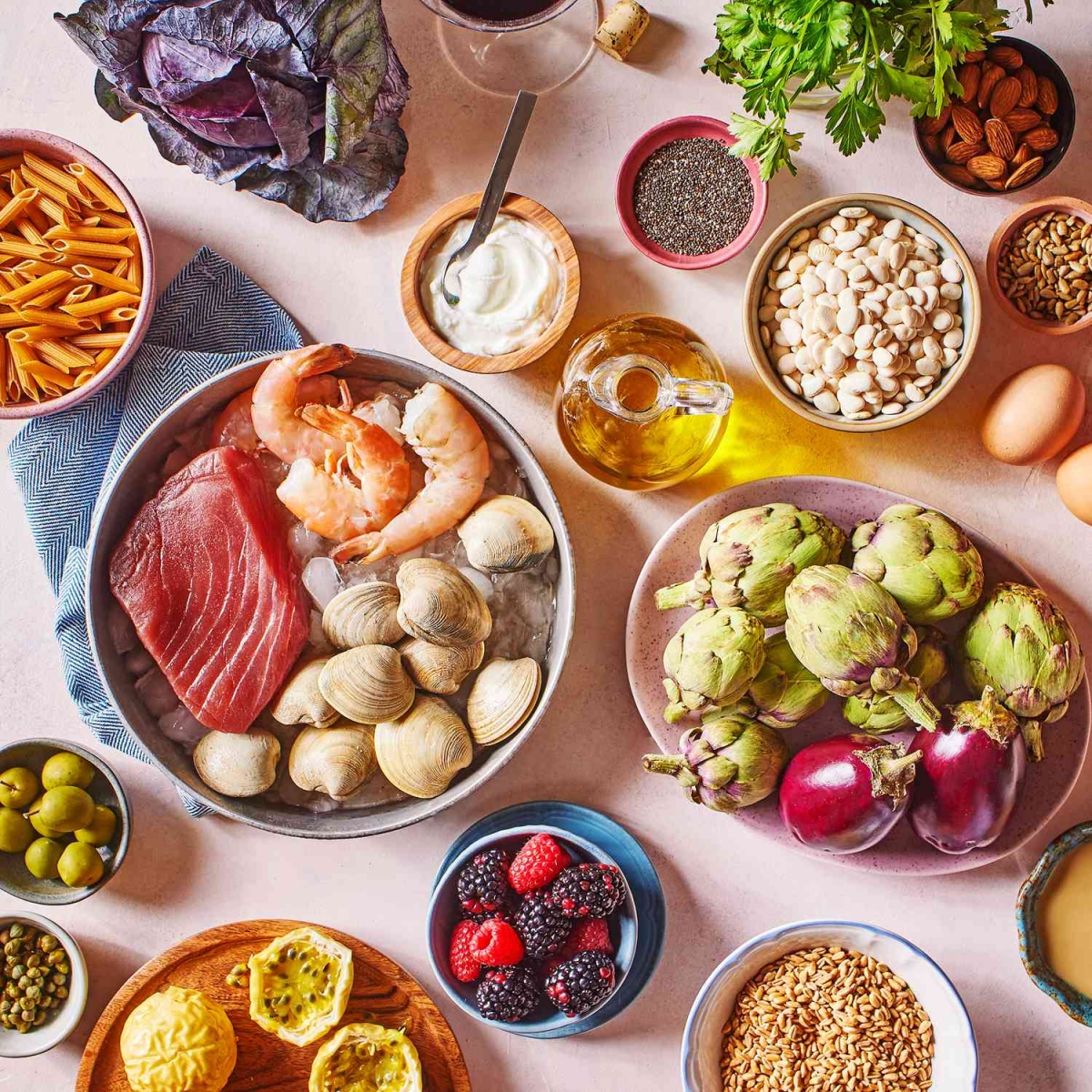
The sun-drenched shores of the Mediterranean whisper tales of ancient civilizations, vibrant cultures, and a way of life that, for centuries, has captivated the imagination of the world. Beyond its azure waters and olive groves, this region holds a profound secret, not just to longevity and vitality, but to a deeply satisfying and healthful approach to daily nourishment. We speak of the Mediterranean diet, lauded globally for its myriad benefits. Yet, amidst the well-worn advice about olive oil, fresh produce, and lean proteins, there lies a less celebrated, yet arguably more fundamental, cornerstone: the profound and pervasive role of savory.
For a knowledgeable audience, accustomed to dissecting nutritional advice and understanding the nuances of dietary science, the concept of "savory" might seem simplistic. It’s often understood merely as "not sweet." But in the context of the Mediterranean, savory is a universe unto itself – a complex tapestry of flavors that not only delights the palate but fundamentally reshapes our relationship with food, satiety, and health. This is a story of recalibration, of rediscovering an ancestral wisdom that modern diets, steeped in sugar and artificial sweetness, have largely forgotten.
The Sweet Trap: A Modern Dilemma
Before we fully immerse ourselves in the savory embrace of the Mediterranean, let us first acknowledge the landscape from which many of us seek escape: the modern Western diet. From the moment we wake, we are often barraged by sweetness. Sugary cereals, fruit-laden yogurts, juice "cocktails," pastries, and coffee concoctions laden with syrups define our mornings. Snacks are often energy bars disguised as health food, fruit smoothies that spike blood sugar, or processed treats designed for maximum palatability and minimal nutritional value. This pervasive sweetness, often hidden in unexpected places, trains our palates to crave constant sugar hits, creating a vicious cycle of energy spikes, crashes, and relentless cravings.
Our ancestors, and indeed many traditional cultures today, did not operate under this sweet tyranny. Their diets were dictated by seasonality, availability, and the fundamental need for sustained energy and robust health. And overwhelmingly, that meant a diet rich in savory, umami-laden foods. The Mediterranean, perhaps more than any other region, has managed to preserve this ancient wisdom, offering a compelling antidote to the modern sweet trap.
Beyond "Not Sweet": Unpacking the Savory Universe
To truly understand why savory is the Mediterranean’s secret weapon, we must first unpack what "savory" truly means in this context. It is far more than just the absence of sugar. It is a symphony of flavors and sensations that deeply satisfies our evolutionary needs and sophisticated palates.
At its heart, savory encompasses the fifth taste: umami. Discovered by Japanese scientist Kikunae Ikeda in 1908, umami (meaning "essence of deliciousness" or "pleasant savory taste") is elicited by glutamates and nucleotides. It’s the rich, brothy, meaty taste found naturally in aged cheeses, mushrooms, ripe tomatoes, cured meats, seafood, and fermented products. Crucially, umami signals the presence of protein, a vital macronutrient for human survival and satiety. When our palates register umami, our bodies receive a signal of nutritional density, contributing to a profound sense of satisfaction that sweet foods, however momentarily pleasurable, rarely deliver.
But savory in the Mediterranean goes beyond just umami. It is the earthy bitterness of olive oil, the pungent freshness of garlic and onion, the herbaceous notes of oregano, thyme, rosemary, and basil. It is the briny tang of olives and capers, the sharp saltiness of feta and halloumi, the smoky depth of roasted vegetables, the robust character of legumes, and the rich complexity of slow-cooked stews. It is a palette of flavors designed not for a fleeting sugar rush, but for sustained enjoyment and profound physiological contentment.
An Ancestral Echo: The Evolutionary Imperative of Savory
Our predilection for savory foods is not merely a cultural preference; it is etched into our very DNA. As omnivores, early humans sought out protein, healthy fats, and complex carbohydrates to fuel their demanding lifestyles. The bitter taste often signaled toxins, and extreme sweetness was rare in nature, typically only found in seasonal fruits or honey. The consistent, reliable sources of sustenance – meat, fish, root vegetables, legumes, nuts, and seeds – inherently carried savory profiles.
Consider the human digestive system. It is exquisitely designed to process and extract nutrients from complex, whole foods. The satisfaction derived from a savory meal, rich in protein, fiber, and healthy fats, aligns with our biological needs. It triggers satiety hormones, stabilizes blood sugar, and provides the sustained energy necessary for cognitive function and physical activity. Sweet foods, particularly refined sugars, offer a rapid but often fleeting burst of energy, followed by an inevitable crash – a metabolic rollercoaster our ancestors were largely spared.
The Mediterranean diet, with its emphasis on whole, unprocessed foods, resonates deeply with this ancestral eating pattern. It’s a diet built on the foundations of what humans evolved to eat, rather than what modern food science has engineered to be maximally addictive.
A Culinary Chronicle: Savory Through the Mediterranean Day
To truly grasp the Mediterranean secret, one must walk through a typical day in a traditional Mediterranean household, observing the unwavering commitment to savory at every turn.
The Dawn of Savory: Breakfast Reimagined
For many in the West, breakfast is synonymous with sweetness. But in the Mediterranean, the morning meal is a savory affair. Imagine:
- Greece: A plate of ripe tomatoes, Kalamata olives, a generous slab of feta cheese drizzled with golden olive oil, perhaps a hard-boiled egg or two, and a slice of whole-grain bread.
- Turkey: A sprawling "kahvaltı" (breakfast) spread featuring an array of cheeses, olives, cucumbers, tomatoes, eggs (menemen, a scramble with tomatoes and peppers, is popular), sucuk (spicy sausage), and fresh bread, all accompanied by strong black tea.
- Spain: Pan con tomate – toasted bread rubbed with garlic, fresh tomato, and olive oil, often served with a slice of jamón serrano or cheese.
These are not just meals; they are affirmations of the body’s need for sustained energy and deep satisfaction, setting the tone for a balanced day free from the morning sugar crash.
Midday Sustenance: Savory at Lunch
Lunch continues this savory tradition. In many Mediterranean cultures, lunch is the largest meal of the day, a leisurely affair often shared with family or colleagues.
- Italy: A simple pasta dish with a rich tomato and herb sauce, or a panino filled with cured meats, cheese, and roasted vegetables.
- Lebanon: Mezze platters featuring hummus, baba ghanoush, tabbouleh, falafel, kibbeh, and various pickled vegetables, all scooped up with warm pita bread.
- Morocco: A fragrant tagine, slow-cooked with tender meat or fish, olives, preserved lemons, and an aromatic blend of spices like cumin, turmeric, and ginger.


Post Comment