The Emerald Enigma: Unveiling Pandan, the Green Superfood Hiding in Your Pantry
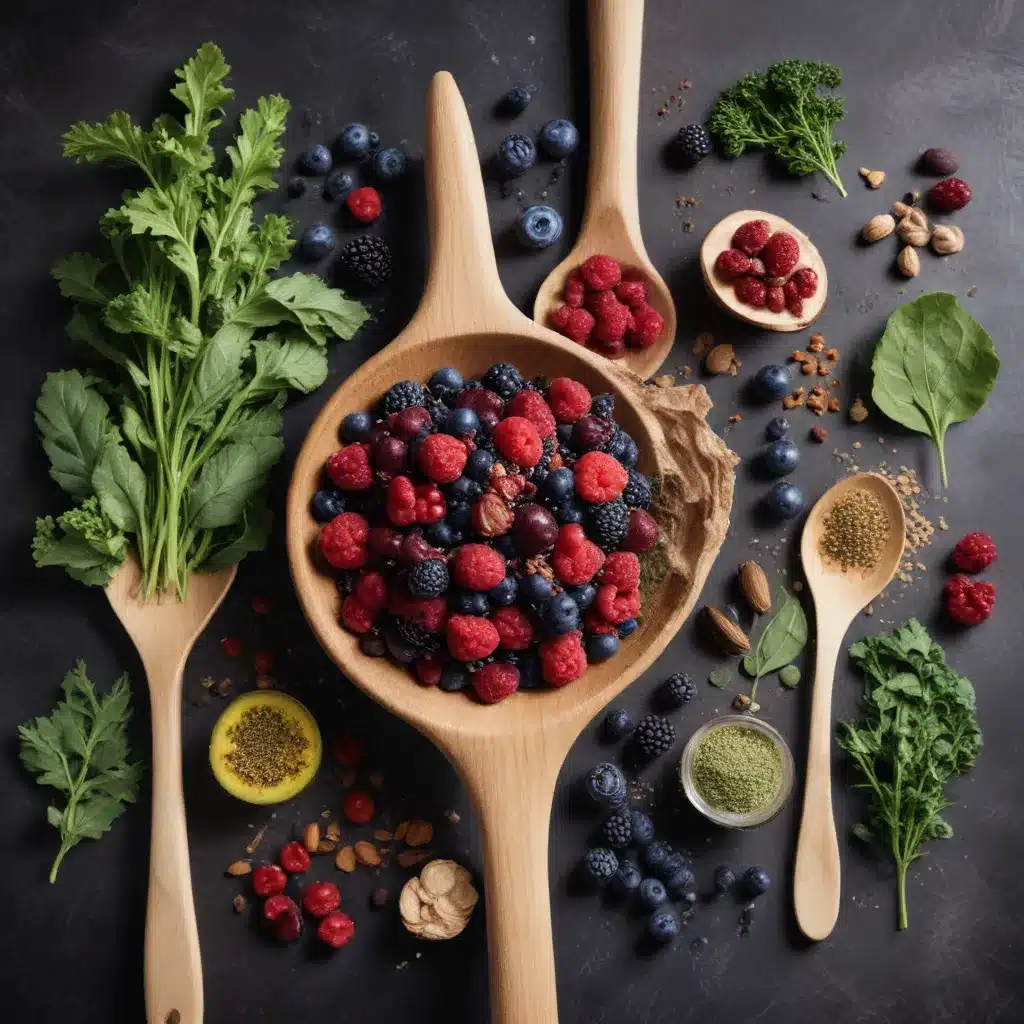
In the vast tapestry of global gastronomy, certain ingredients possess an understated magic, a quiet power that transforms the ordinary into the extraordinary. They linger on the periphery of our culinary consciousness, perhaps glimpsed in an exotic dish or a vibrant dessert, yet their true depth remains largely unexplored by the uninitiated. Among these verdant alchemists, one stands out with its captivating aroma, striking hue, and profound versatility: Pandan.
Often referred to as the "vanilla of the East," a moniker that, while illustrative, barely scratches the surface of its unique charm, Pandan (scientifically Pandanus amaryllifolius) is far more than a mere flavoring agent. It is a cultural cornerstone, a traditional healer, and, increasingly recognized, a potent superfood that has been quietly thriving in the heart of Southeast Asian pantries for centuries. For the knowledgeable palate and the curious mind, embarking on a journey into the world of Pandan is to discover an emerald enigma, a fragrant secret waiting to be unlocked.
The Verdant Whisper: A Botanical Introduction
To truly appreciate Pandan, one must first understand the plant itself. A tropical plant belonging to the Pandanus genus, Pandan is often called "screwpine" due to its long, sword-like leaves that grow in a spiral formation around a central stalk, resembling a corkscrew. It thrives in warm, humid climates, making its natural habitat the lush landscapes of Southeast Asia, including countries like Thailand, Malaysia, Indonesia, Vietnam, the Philippines, and Singapore.
Unlike its more flamboyant relatives that bear edible fruits (like the Pandan fruit, often mistaken for breadfruit), Pandanus amaryllifolius is cultivated almost exclusively for its leaves. These leaves, typically bright to dark green, are smooth, glossy, and grow up to two feet long. While the plant can produce small, insignificant flowers, it’s the foliage that holds the treasure: a complex aromatic profile that is both elusive and profoundly captivating.
Cultivation is relatively straightforward for those in tropical zones. Pandan plants are resilient, preferring moist, well-drained soil and partial shade, though they can tolerate full sun. They propagate readily from cuttings, making them a common sight in home gardens across the region. For those in cooler climates, growing Pandan in pots indoors is possible, though achieving the same robust growth and intense aroma can be a challenge. The plant’s hardy nature and ease of propagation contribute to its widespread availability and integration into daily life in its native lands.
The Olfactory Symphony: Unpacking Pandan’s Aroma
The true magic of Pandan lies in its fragrance. Describing it is akin to chasing a wisp of smoke – it’s there, it’s distinct, yet it defies easy categorization. While "vanilla of the East" is a common descriptor, it’s an oversimplification. Pandan’s aroma is far more nuanced, a sophisticated blend that dances between notes of:
- Sweetness: A subtle, creamy sweetness, reminiscent of coconut milk or freshly cooked basmati rice.
- Nutty undertones: A gentle, toasted nuttiness, sometimes likened to roasted almonds or pistachios.
- Grassy freshness: A clean, slightly green, almost herbaceous note, grounding its sweetness.
- Subtle floral hints: A delicate, almost ethereal floral whisper, particularly noticeable in fresh leaves.
- Hay-like warmth: A comforting, almost sun-dried quality that adds depth.
The primary compound responsible for this unique bouquet is 2-acetyl-1-pyrroline (2-AP), the very same compound that gives basmati and jasmine rice their distinctive, appealing aroma. This shared aromatic signature is no coincidence; it’s why Pandan pairs so harmoniously with rice, elevating it from a simple staple to an aromatic delight. The presence of other volatile compounds contributes to its complex profile, making it a master of subtlety and an amplifier of other flavors.
The intensity of Pandan’s aroma varies depending on its form and preparation. Fresh leaves offer the most vibrant and multi-faceted fragrance. Bruising, tying into knots, or gently heating the leaves helps release these precious volatile compounds, infusing dishes with their inimitable scent.
A Culinary Odyssey: From Ancient Staples to Modern Delights
Pandan’s culinary journey spans millennia, deeply woven into the fabric of Southeast Asian cuisine. Its versatility is astounding, equally at home in savory stews, delicate desserts, and refreshing beverages.
The Savory Side: A Foundation of Flavor
In savory applications, Pandan rarely dominates; instead, it acts as a masterful background note, enhancing and refining other ingredients.
- Rice’s Best Friend: This is perhaps Pandan’s most iconic savory pairing. Simply adding a few knotted Pandan leaves to the pot when cooking white rice transforms it into an aromatic masterpiece. The Pandan infuses the rice with its sweet, nutty, and slightly floral notes, making every grain a fragrant delight. It’s a staple in dishes like Nasi Lemak (Malaysian coconut rice), Khao Man Gai (Thai chicken rice), and various biryanis or pilafs where it adds an extra layer of complexity.
- Aromatic Meats: Pandan leaves are often used to wrap meats, particularly chicken, before steaming, grilling, or frying. The most famous example is Gai Hor Bai Toey (Thai Pandan Chicken). The leaves not only impart their aroma but also help to keep the meat moist and tender, and the beautiful green parcel makes for an impressive presentation. The subtle sweetness of Pandan beautifully complements the richness of chicken or fish.
- Curries and Stews: In various curries and stews, Pandan leaves are simmered alongside other aromatics like lemongrass, galangal, and kaffir lime leaves. They contribute a gentle, grounding sweetness that balances the spices, adding depth and complexity without overpowering the main ingredients. They are often removed before serving, leaving behind only their fragrant essence.
- Soup and Broths: A few leaves added to clear broths or light soups can impart a delicate aroma that elevates the entire dish, particularly in seafood or chicken-based broths.
The Sweet Symphony: Pandan’s Dessert Domain
Where Pandan truly shines and captures the imagination of those beyond Southeast Asia is in its sweet applications. Here, its vibrant green hue often takes center stage, along with its unique flavor profile.


Post Comment