Blood Sugar Management: Can Pandan Water Help Regulate Glucose Levels? A Journey from Tradition to Scientific Inquiry
The rhythmic hum of modern life often drowns out the quiet wisdom of ancient traditions, particularly when it comes to health. Yet, in our relentless pursuit of wellness, especially in the face of escalating global health crises like diabetes, we frequently find ourselves circling back to botanical remedies passed down through generations. One such botanical, a verdant sentinel of Southeast Asian kitchens, is Pandan, or Pandanus amaryllifolius. Known for its intoxicating aroma and vibrant green hue, Pandan has graced countless culinary creations. But beyond the realm of gastronomy, a persistent whisper suggests a more profound capability: could this humble leaf hold a key to managing blood sugar levels?
This article embarks on a journey to explore that question. We will delve into the complex landscape of blood sugar regulation, unpack the historical and cultural significance of Pandan, scrutinize the nascent scientific evidence, and critically evaluate the potential for Pandan water as a complementary tool in glucose management. Our narrative is not one of a miraculous cure, but rather a thoughtful exploration, grounded in the intent to tell a story of inquiry, discovery, and the intricate dance between nature’s bounty and human health, all while catering to a knowledgeable audience seeking depth and nuance.
The Global Epidemic: Understanding the Imperative of Blood Sugar Management
Before we introduce our botanical protagonist, it’s crucial to understand the stage upon which it might play a role. Diabetes mellitus, characterized by persistently high blood glucose levels, has reached epidemic proportions globally. The International Diabetes Federation estimates that over half a billion adults worldwide live with diabetes, a number projected to surge in the coming decades. This silent assailant, if left unchecked, can lead to a cascade of debilitating complications, including cardiovascular disease, kidney failure, nerve damage, and blindness, significantly diminishing quality of life and placing an immense burden on healthcare systems.
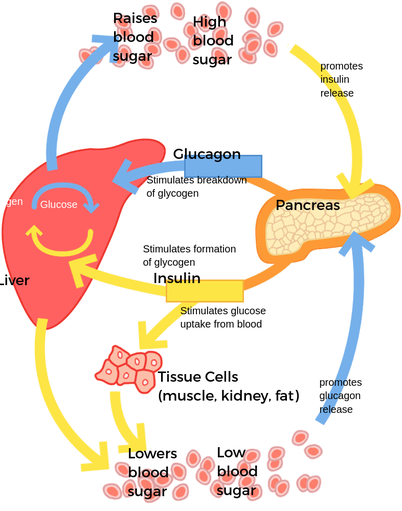
At the heart of diabetes lies a disruption in the body’s intricate glucose regulatory system. Glucose, derived from the carbohydrates we consume, is the primary fuel for our cells. Its entry into cells is largely facilitated by insulin, a hormone produced by the beta cells of the pancreas. In a healthy individual, after a meal, blood glucose rises, signaling the pancreas to release insulin. Insulin acts like a key, unlocking cells to absorb glucose, thus lowering blood sugar back to a healthy range.
However, in individuals with diabetes, this system falters.
- Type 1 Diabetes: An autoimmune condition where the body’s immune system mistakenly attacks and destroys the insulin-producing beta cells in the pancreas, leading to little or no insulin production.
- Type 2 Diabetes: The more prevalent form, accounting for about 90-95% of all cases. Here, the body either doesn’t produce enough insulin, or more commonly, the cells become resistant to insulin’s effects (insulin resistance). This means insulin is present, but it struggles to unlock the cells, leaving glucose lingering in the bloodstream. Over time, the pancreas tries to compensate by producing more insulin, but eventually, it may become exhausted, leading to insufficient insulin production.
The overarching goal of blood sugar management, therefore, is to maintain glucose levels within a healthy target range. This typically involves a multi-pronged approach: dietary modifications (focusing on whole foods, fiber, and controlling carbohydrate intake), regular physical activity, and often, medication (oral agents or insulin injections). Despite these established strategies, many individuals still struggle with optimal glycemic control, and the search for complementary therapies, especially those derived from natural sources, remains a fervent area of interest. This is where the story of Pandan begins to intertwine with the narrative of human health.
Pandan: The Fragrant Enigma from Southeast Asia
Pandanus amaryllifolius, commonly known as Pandan, is far more than just a culinary curiosity. It is a perennial tropical plant belonging to the Pandanaceae family, characterized by its long, slender, blade-like leaves that grow in an upright, fan-like cluster. Native to Southeast Asia, it thrives in humid, tropical climates and is widely cultivated across the region, from the Philippines and Indonesia to Thailand and Malaysia.
A Culinary Chameleon:
For centuries, Pandan has been a staple in Southeast Asian kitchens, revered for its unique, complex aroma often described as a blend of vanilla, nutty, grassy, and floral notes. It’s a culinary chameleon, lending its distinctive fragrance and a subtle, sweet undertone to both savory and sweet dishes. It infuses rice, curries, and stews, wraps grilled meats and fish, and is an indispensable ingredient in desserts, cakes, and beverages. The vibrant green color, when extracted from the leaves, also serves as a natural food coloring. Its presence in the culinary landscape is so pervasive that it’s often referred to as the "vanilla of the East."
Beyond the Plate: Traditional Medicinal Uses:
But the story of Pandan extends beyond its gastronomic charm. Traditional medicine systems in Southeast Asia have long recognized Pandan’s therapeutic potential. Folk remedies across the region have employed various parts of the plant – the leaves, roots, and flowers – for a wide array of ailments.
- Pain Relief: Poultices made from crushed leaves have been used topically for headaches, chest pains, and arthritis.
- Skin Health: Infusions are sometimes used for skin conditions and to promote wound healing.
- Fever Reduction: Decoctions are consumed to alleviate fever.
- Anxiety and Insomnia: The soothing aroma and traditional use as a mild sedative have led to its application in promoting relaxation and sleep.
- Diuretic Properties: Some traditions point to its use in promoting urination, potentially aiding in detoxification.
Crucially, within this tapestry of traditional uses, there are repeated references to Pandan’s role in managing blood sugar. Indigenous communities in parts of Malaysia, Indonesia, and the Philippines have historically used Pandan leaf extracts or teas as a traditional remedy for "sweet urine disease," an ancient term often referring to diabetes. This historical context provides the bedrock for our modern scientific inquiry – a compelling reason to investigate whether this age-old wisdom holds a scientific truth.
The Scientific Lens: Unpacking Pandan’s Phytochemical Arsenal
The transition from anecdotal evidence to scientific understanding requires a deep dive into the plant’s biochemical composition. What exactly is in Pandan that could potentially influence glucose metabolism? Modern phytochemical analysis has begun to unravel the complex array of bioactive compounds present in Pandanus amaryllifolius, revealing a rich tapestry of molecules with known therapeutic properties.
Key Bioactive Compounds:


Post Comment