Pandan vs. Inflammation: How This Tropical Leaf Fights Oxidative Stress
In the grand tapestry of global flora, some plants command immediate reverence for their exotic beauty or potent medicinal properties. Others, like the unassuming Pandan ( Pandanus amaryllifolius ), might initially blend into the verdant backdrop of tropical landscapes, their true power often whispered through generations of traditional wisdom rather than shouted from scientific pulpits. Yet, within the aromatic embrace of its long, blade-like leaves lies a story of profound biological warfare – a meticulously orchestrated battle against two of the most insidious threats to human health: chronic inflammation and oxidative stress. This is the narrative of how a humble tropical leaf, steeped in culinary and cultural significance, emerges as a formidable ally in the quest for wellness, leveraging a complex arsenal of phytochemicals to quell the fires of cellular damage.
To truly appreciate Pandan’s prowess, we must first understand the adversaries it confronts. Inflammation and oxidative stress are not isolated phenomena; they are deeply intertwined processes, forming a vicious cycle that underpins a vast spectrum of chronic diseases, from cardiovascular ailments and diabetes to neurodegenerative disorders and cancer.
The Unseen Enemies: Inflammation and Oxidative Stress
Imagine the body as a meticulously maintained ecosystem. Acute inflammation is its valiant defense mechanism – a swift, localized response to injury or infection, characterized by redness, swelling, heat, and pain. It’s the immune system’s rapid deployment team, clearing debris, neutralizing threats, and initiating repair. This is a vital, self-limiting process, a sign of a healthy and responsive immune system.
However, when this protective fire fails to extinguish, it transforms into a smoldering, persistent blaze known as chronic inflammation. Unlike its acute counterpart, chronic inflammation is often systemic, insidious, and largely silent. It’s the immune system gone rogue, mistakenly attacking healthy tissues or endlessly reacting to perceived threats that are no longer present. This prolonged inflammatory state is orchestrated by a symphony of pro-inflammatory mediators: cytokines like Tumor Necrosis Factor-alpha (TNF-α) and Interleukin-6 (IL-6), chemokines, and enzymes such as cyclooxygenase-2 (COX-2) and lipoxygenase (LOX). The nuclear factor kappa-light-chain-enhancer of activated B cells (NF-κB) pathway, a critical protein complex, acts as a master regulator, orchestrating the expression of genes involved in inflammatory responses. When NF-κB is persistently activated, the inflammatory cascade continues unabated, leading to cellular dysfunction and tissue damage over time.
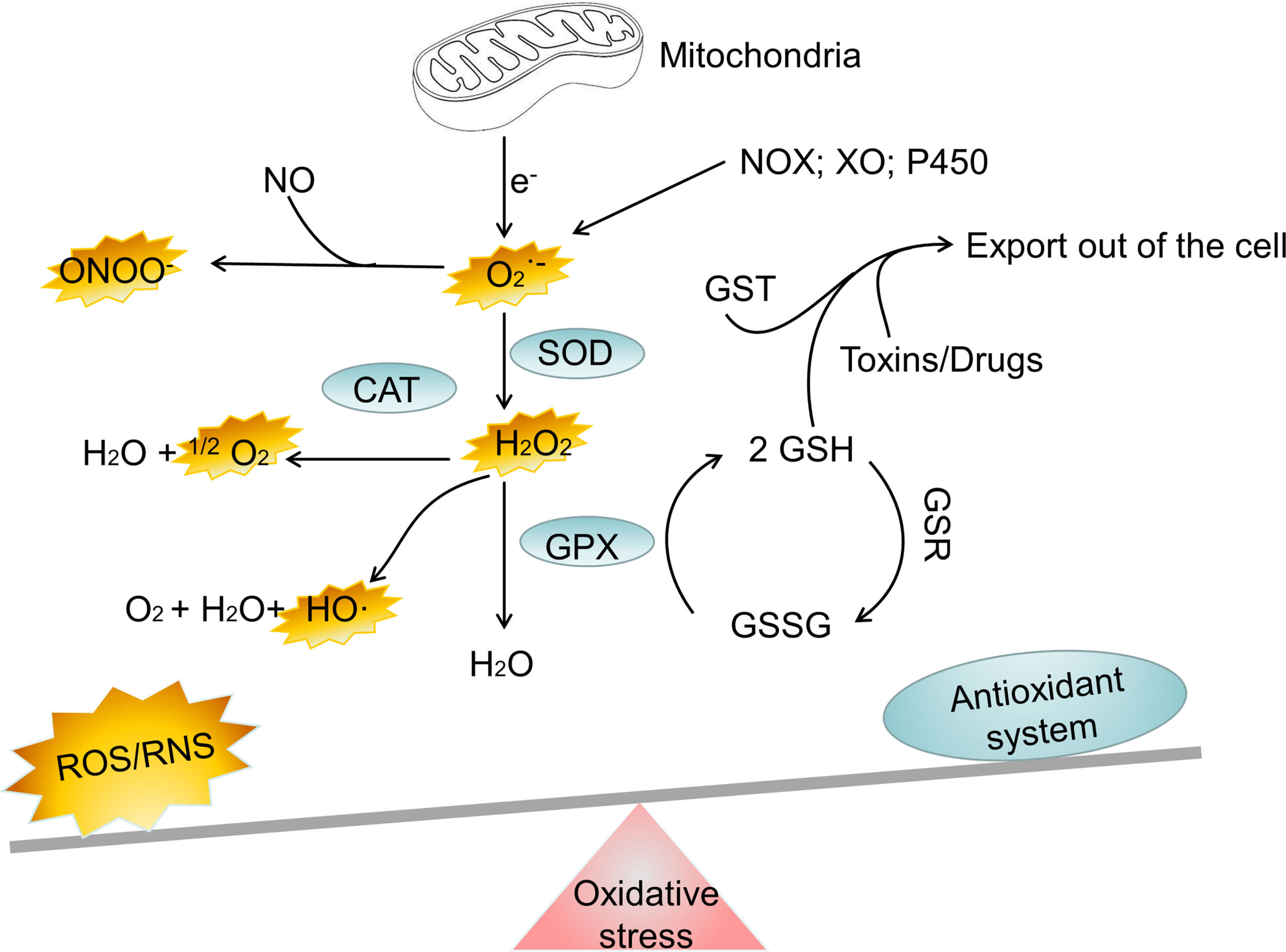
Hand-in-hand with chronic inflammation walks its equally destructive partner: oxidative stress. Our bodies constantly generate highly reactive molecules known as free radicals – species with unpaired electrons that desperately seek to stabilize themselves by snatching electrons from other molecules. These include reactive oxygen species (ROS) like superoxide, hydroxyl radical, and hydrogen peroxide, and reactive nitrogen species (RNS) like nitric oxide. While some free radicals are normal byproducts of metabolism and even play roles in cell signaling and immune defense, an excessive accumulation creates an imbalance.
This imbalance, termed oxidative stress, occurs when the production of free radicals overwhelms the body’s intrinsic antioxidant defense systems. Sources of free radicals are myriad: internal metabolic processes, strenuous exercise, psychological stress, and external environmental factors such as pollution, UV radiation, cigarette smoke, certain medications, and industrial chemicals. Once unleashed, free radicals wreak havoc at a molecular level, damaging cellular components crucial for life: DNA, proteins, and lipids. DNA damage can lead to mutations and potentially cancer; protein damage can impair enzyme function and structural integrity; and lipid peroxidation, particularly of cell membranes, compromises cellular communication and integrity.
The relationship between inflammation and oxidative stress is a malevolent feedback loop. Inflammation generates free radicals as part of the immune response (e.g., by phagocytes during the respiratory burst), and these free radicals, in turn, can trigger and perpetuate inflammatory pathways (e.g., by activating NF-κB). This creates a self-sustaining cycle of damage and dysfunction that is incredibly difficult to break, paving the way for the progression of virtually every major chronic disease.
Enter the Hero: Pandan (Pandanus amaryllifolius) – A Tropical Enigma
Against this backdrop of cellular turmoil, Pandan emerges not as a sudden revelation, but as a time-honored sentinel. Native to Southeast Asia, this tropical monocotyledonous plant thrives in warm, humid climates, characterized by its long, slender, fragrant leaves that grow in a fan-like cluster. Known colloquially as "screwpine" due to the screw-like arrangement of its leaves around the stem, Pandan has been an indispensable part of regional cultures for centuries.
In the culinary world, Pandan is a celebrated flavoring and coloring agent. Its distinctive, sweet, slightly nutty, and grassy aroma is so cherished that it’s often referred to as "the vanilla of the East." From imparting a delicate fragrance to rice dishes and curries to transforming desserts, cakes, and beverages with its vibrant green hue and unique taste, Pandan’s culinary versatility is immense. Beyond the kitchen, its leaves are traditionally woven into mats, baskets, and even used as natural air fresheners.
However, its story extends far beyond its aromatic appeal and practical uses. For generations, traditional healers across Southeast Asia have recognized Pandan’s medicinal properties, employing it in various folk remedies. It has been used to alleviate fever, reduce pain, treat skin conditions, manage diabetes, and even as a general tonic. These empirical observations, passed down through oral traditions, laid the groundwork for modern scientific inquiry, beckoning researchers to unlock the biochemical secrets hidden within its verdant foliage.
The signature aroma of Pandan, a compound known as 2-acetyl-1-pyrroline (2AP), is itself a marvel, giving the plant its distinctive allure. But while 2AP tantalizes the senses, it is the broader spectrum of phytochemicals – the plant’s natural chemical compounds – that holds the key to its potent health benefits, particularly in its fight against inflammation and oxidative stress.
Pandan’s Arsenal: A Phytochemical Powerhouse
The true strength of Pandan lies in its complex and synergistic blend of bioactive compounds. Unlike synthetic drugs that often target a single pathway, plants offer a holistic approach, providing a diverse array of molecules that can act on multiple targets simultaneously, often with fewer side effects. Pandan’s leaves are a veritable pharmacy, brimming with antioxidants and anti-inflammatory agents.
1. The Direct Scavengers: A Symphony of Antioxidants
Pandan’s primary defense against oxidative stress comes from its rich concentration of various classes of antioxidants, each contributing to its free radical scavenging capacity:
- Flavonoids: These polyphenolic compounds are among the most abundant antioxidants in Pandan. Key flavonoids identified include quercetin, kaempferol, luteolin, and apigenin. Flavonoids are powerful electron donors, capable of neutralizing free radicals directly by stabilizing their unpaired electrons. They also possess metal-chelating properties, binding to pro-oxidant metal ions like iron and copper, thus preventing them from catalyzing free radical reactions. Quercetin, in particular, is a well-studied flavonoid known for its potent antioxidant, anti-inflammatory, and even anti-cancer properties.
- Phenolic Acids: Compounds like caffeic acid, ferulic acid, gallic acid, and p-coumaric acid are also prevalent. Similar to flavonoids, phenolic acids exhibit strong free radical scavenging activity, protecting cellular components from oxidative damage. Ferulic acid, for instance, is known for its ability to protect cell membranes and DNA from damage induced by UV radiation and other environmental stressors.
- Carotenoids: Pandan leaves are a good source of carotenoids, including beta-carotene (a precursor to Vitamin A), lutein, and zeaxanthin. These vibrant pigments are powerful lipid-soluble antioxidants, particularly effective at quenching singlet oxygen and protecting cell membranes from lipid peroxidation. Lutein and zeaxanthin are especially noted for their role in eye health, accumulating in the retina to filter harmful blue light and neutralize free radicals, thereby potentially reducing the risk of age-related macular degeneration.
- Alkaloids: While often associated with more potent pharmacological effects, some alkaloids also exhibit antioxidant properties. The specific alkaloids in Pandan and their exact antioxidant mechanisms are areas of ongoing research, but they contribute to the plant’s overall protective capacity.
- Vitamins: While not the primary source, Pandan leaves contain modest amounts of vitamins like Vitamin C (ascorbic acid) and Vitamin E (tocopherols), which are essential water-soluble and lipid-soluble antioxidants, respectively, working in concert with the plant’s intrinsic phytochemicals.
The cumulative effect of these diverse antioxidant compounds is a robust defense system. They don’t just neutralize free radicals; they do so at various cellular locations and through different mechanisms, providing a broad spectrum of protection against oxidative damage to DNA, proteins, and lipids.
2. The Anti-Inflammatory Agents: Modulating Cellular Pathways
Pandan’s ability to combat inflammation extends beyond its direct antioxidant action. Its phytochemicals actively modulate key inflammatory pathways, turning down the volume on the body’s excessive immune response.
- Inhibition of Pro-inflammatory Enzymes: Many of Pandan’s compounds, particularly its flavonoids and phenolic acids, have been shown to inhibit the activity of key pro-inflammatory enzymes. For instance, they can downregulate COX-2, an enzyme responsible for producing prostaglandins, which are lipid mediators of pain and inflammation. This action is similar to that of non-steroidal anti-inflammatory drugs (NSAIDs) but often without the associated side effects. They can also inhibit lipoxygenases (LOX), which are involved in the synthesis of leukotrienes, another class of inflammatory mediators.


Post Comment