Beyond the Burn: The Antioxidant Profile of the Common Jalapeño
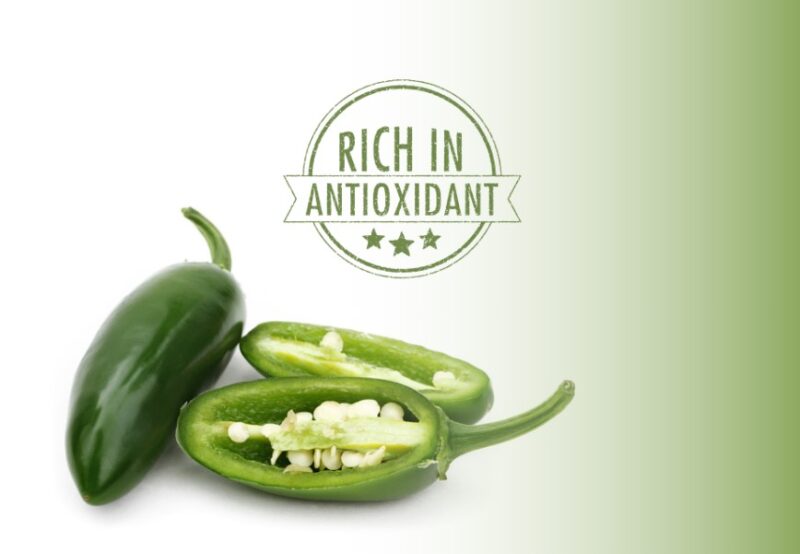
The first encounter with a jalapeño is often singular, unforgettable, and undeniably visceral. It begins with a vibrant green, perhaps a glossy red, promising a fresh, earthy aroma. Then comes the bite, and almost immediately, the signature warmth blossoms on the palate, evolving swiftly into a fiery dance that tingles, burns, and sometimes, exhilarates. This is the realm of capsaicin, the legendary compound responsible for the jalapeño’s characteristic heat, a sensation so potent it has become synonymous with the pepper itself. For many, the jalapeño’s story begins and ends with this delicious, searing intensity.
Yet, to limit our understanding of this humble fruit to its pyrogenic prowess would be to overlook a far richer, more intricate narrative – a silent symphony of biochemical activity playing out beneath the fiery facade. "Beyond the Burn" lies a complex and compelling profile, a hidden arsenal of compounds working in concert, not to ignite sensation, but to protect, repair, and fortify. We speak, of course, of antioxidants, the unsung heroes of cellular health, and the jalapeño, it turns out, is a surprisingly potent source of these vital protectors.
For the knowledgeable palate and the curious mind, the journey beyond the initial fiery thrill reveals a deeper appreciation for the jalapeño. It transforms from a mere culinary condiment into a miniature powerhouse of health, a testament to nature’s ingenious design. This article embarks on that journey, peeling back the layers of spice to uncover the profound antioxidant story woven into the very fabric of Capsicum annuum, specifically the beloved jalapeño. We will delve into the science, explore the specific compounds, and ultimately tell the story of how this fiery fruit champions our cellular well-being, proving that sometimes, the greatest gifts are wrapped in the most unexpected packages – or, in this case, encased in a vibrant green skin, waiting to unleash not just a burn, but a wave of profound biological benefits.
The Architect of the Burn: Capsaicin’s Dual Role
To truly appreciate the jalapeño’s antioxidant might, we must first confront its most famous constituent: capsaicin. This alkaloid, primarily concentrated in the white pith and seeds, is the molecular maestro conducting the burning sensation. It binds to TRPV1 receptors, specialized ion channels found in nerve endings, particularly those involved in sensing heat and pain. This binding triggers a cascade of signals to the brain, mimicking a thermal burn, even in the absence of actual heat. It’s a remarkable evolutionary adaptation, designed perhaps to deter mammalian predators, yet one that humans have cleverly co-opted for culinary delight and even medicinal purposes.
But here’s where the story begins to twist: capsaicin, the very source of the jalapeño’s burn, is itself a powerful antioxidant. This duality is a cornerstone of the jalapeño’s complex profile. While it activates pain pathways, it simultaneously engages in a protective cellular dance. Research has illuminated capsaicin’s ability to scavenge free radicals – those highly reactive molecules that wreak havoc on DNA, proteins, and lipids, contributing to aging and chronic diseases. It achieves this through its unique chemical structure, which allows it to donate electrons and stabilize these rogue molecules, effectively neutralizing their destructive potential.
Beyond its direct free-radical scavenging capabilities, capsaicin also exerts indirect antioxidant effects. It can modulate the activity of various enzymes involved in detoxification and antioxidant defense mechanisms within the body. For instance, studies suggest it can upregulate the expression of certain antioxidant enzymes, like superoxide dismutase (SOD) and catalase, which are crucial components of the body’s endogenous antioxidant system. Furthermore, capsaicin exhibits potent anti-inflammatory properties, another critical aspect of cellular protection. Chronic inflammation is closely linked to oxidative stress, and by dampening inflammatory responses, capsaicin indirectly reduces the production of reactive oxygen species (ROS), thereby mitigating oxidative damage.
Thus, the initial "burn" is not merely a sensory experience; it’s the signature of a compound that, even as it ignites the palate, is simultaneously working at a molecular level to protect cells from oxidative assault. This understanding elevates capsaicin from a simple irritant to a sophisticated phytochemical with a multifaceted role, laying the groundwork for the jalapeño’s broader antioxidant narrative.
The Cellular Battlefield: A Primer on Antioxidants
To fully grasp the significance of the jalapeño’s antioxidant bounty, we must first understand the battlefield upon which these molecular warriors operate: the human cell. Every moment of our lives, our cells are engaged in metabolic processes that generate energy, synthesize molecules, and maintain life. A byproduct of these essential processes, however, is the inevitable production of free radicals and reactive oxygen species (ROS). These are molecules with unpaired electrons, rendering them highly unstable and aggressively reactive, eager to steal electrons from stable molecules like DNA, proteins, and lipids, causing oxidative damage.
Imagine free radicals as tiny, chaotic vandals running rampant within our cellular cities, snatching vital components and leaving behind a trail of destruction. This damage, known as oxidative stress, is not just a theoretical concept; it’s a fundamental contributor to aging, chronic inflammation, neurodegenerative diseases like Alzheimer’s and Parkinson’s, cardiovascular diseases, and various forms of cancer. Our bodies possess an intrinsic defense system, comprising enzymes like superoxide dismutase, catalase, and glutathione peroxidase, which are adept at neutralizing these vandals. However, modern life, with its array of environmental toxins, processed foods, stress, and even intense exercise, can tip the scales, overwhelming our endogenous defenses.
This is where dietary antioxidants step onto the stage, acting as vital reinforcements. Antioxidants are molecules that can safely donate an electron to a free radical without becoming unstable themselves, effectively neutralizing the threat. They are the cellular peacekeepers, disarming the vandals before they can cause widespread damage. The beauty of nature, and specifically of whole foods like the jalapeño, lies in the sheer diversity and synergy of these protective compounds.
Antioxidants are not a monolithic entity; they encompass a vast spectrum of chemical structures and mechanisms of action. They can be broadly categorized:
- Vitamins: Such as Vitamin C (ascorbic acid), a potent water-soluble antioxidant, and Vitamin E (tocopherols), a fat-soluble antioxidant crucial for protecting cell membranes.
- Carotenoids: Pigments responsible for the vibrant yellows, oranges, and reds in fruits and vegetables, including beta-carotene, lutein, and zeaxanthin. They are fat-soluble and excellent at quenching singlet oxygen, a particularly destructive form of ROS.
- Polyphenols: A large and diverse group of phytochemicals, characterized by the presence of multiple phenolic units. This category includes:
- Flavonoids: Such as quercetin, luteolin, and kaempferol, often found in plant skins and leaves, known for their anti-inflammatory and metal-chelating properties.
- Phenolic Acids: Like caffeic acid and ferulic acid, which are widely distributed in plants and also possess strong antioxidant activity.
- Other Phytochemicals: A vast array of other plant compounds, many of which are still being researched, contributing to the overall antioxidant capacity.
The remarkable aspect of consuming whole foods rich in antioxidants is the "synergistic effect." It’s not just about the isolated power of a single compound, but the collaborative strength of hundreds, perhaps thousands, of compounds working together in a complex biochemical ballet. They can regenerate each other, enhance each other’s activity, and target different types of free radicals in various cellular compartments. This nuanced understanding forms the bedrock for appreciating the jalapeño’s comprehensive contribution to our cellular resilience.
The Jalapeño’s Hidden Arsenal: Specific Antioxidant Compounds
Beneath its unassuming green exterior and behind its fiery reputation, the jalapeño harbors a remarkable collection of specific antioxidant compounds, each contributing uniquely to its protective profile. It is this diverse ensemble that truly elevates the jalapeño beyond a mere culinary curiosity to a significant contributor to dietary health.
1. Vitamin C (Ascorbic Acid): The Water-Soluble Guardian
Perhaps one of the most well-known and essential dietary antioxidants, Vitamin C is present in substantial amounts in jalapeños. As a powerful water-soluble antioxidant, ascorbic acid plays a critical role in neutralizing free radicals in the aqueous environments of our bodies, such as the cytoplasm and extracellular fluid. Its mechanism involves donating electrons to reactive oxygen and nitrogen species, thereby quenching their reactivity and preventing oxidative damage to vital cellular components.
Beyond its direct free-radical scavenging, Vitamin C is indispensable for a multitude of physiological processes. It is a crucial cofactor for enzymatic reactions involved in collagen synthesis, making it vital for skin health, wound healing, and the integrity of blood vessels. It also plays a significant role in immune system function, enhancing the production and activity of white blood cells. Furthermore, Vitamin C can regenerate other antioxidants, such as Vitamin E, by reducing their oxidized forms back to their active state, thereby extending their protective lifespan. While citrus fruits are often lauded for their Vitamin C content, a single jalapeño can provide a surprising amount, contributing meaningfully to daily requirements, especially when consumed regularly.


Post Comment