The Verdant Elixir: How Kiwi Antioxidants Are Revolutionizing Collagen Regeneration from Within
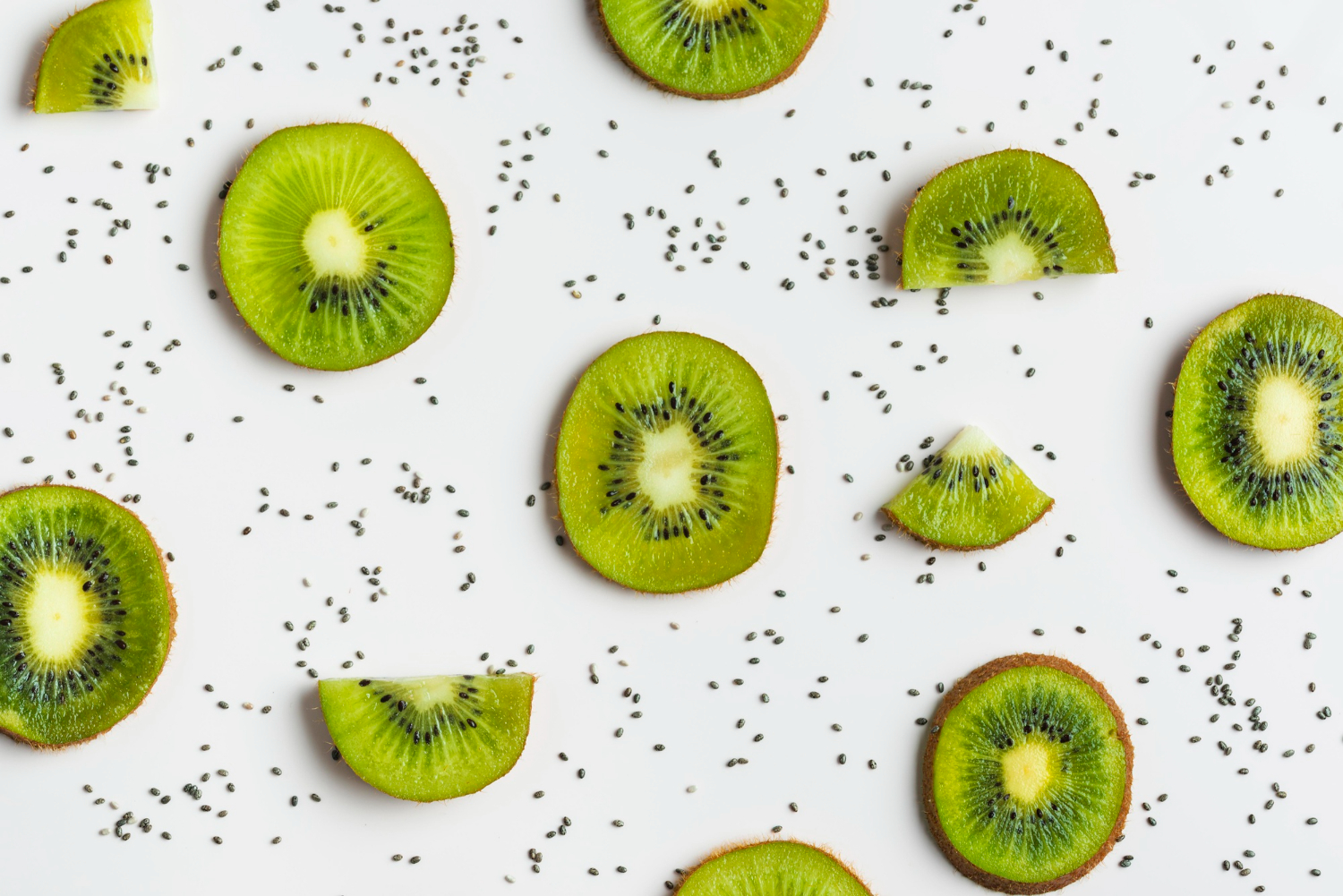
In the perennial quest for eternal youth and vibrant health, humanity has traversed countless paths, from ancient alchemists concocting elusive elixirs to modern laboratories synthesizing complex molecules. Yet, often, the most profound answers lie not in the intricate machinery of the developed world, but in the unassuming bounty of nature itself. This is the story of a humble fruit, verdant and unassuming on the outside, yet bursting with a potent arsenal of compounds capable of orchestrating one of life’s most cherished biological processes: the regeneration of collagen. This is the story of the kiwi, and its transformative power in boosting collagen production from within, offering a profound narrative in the saga of natural anti-aging.
For the discerning individual, the term "collagen" resonates with an immediate understanding of its pivotal role. It is the very scaffold of our being, the most abundant protein in the human body, responsible for the structural integrity of our skin, bones, tendons, ligaments, and even blood vessels. It provides elasticity, firmness, and a youthful resilience that, with time, inevitably begins to wane. This degradation isn’t merely a cosmetic concern; it’s a fundamental biological shift that signals the march of age, driven largely by an invisible enemy: oxidative stress. But what if a simple, delicious fruit held the key to not just slowing this decline, but actively stimulating the body’s innate capacity for renewal?
I. The Intricate Tapestry of Collagen: The Foundation of Youth and Health
To truly appreciate the kiwi’s role, one must first delve into the sophisticated architecture and dynamic lifecycle of collagen. Far from a monolithic entity, collagen encompasses at least 28 distinct types, each adapted to specific tissues and functions. However, Type I, II, and III constitute the vast majority, particularly relevant to skin, bone, and connective tissues. Type I collagen, in particular, forms the robust, tensile fibers crucial for skin strength, bone matrix, and tendon integrity. Type III often co-exists with Type I, providing elasticity, while Type II is predominant in cartilage.
At a molecular level, collagen is a marvel of biological engineering. It begins as individual polypeptide chains, rich in glycine, proline, and hydroxyproline. Three of these chains intertwine to form a left-handed triple helix, a structure that imparts extraordinary tensile strength. These triple helices then assemble into larger fibrils, which further aggregate into robust fibers, creating an intricate network that supports and connects tissues throughout the body.
The process of collagen synthesis, or collagenogenesis, is a highly regulated and energy-intensive cascade. It commences within specialized cells called fibroblasts (in the skin, tendons, and ligaments), chondroblasts (in cartilage), and osteoblasts (in bone). These cells synthesize procollagen molecules, which undergo a critical series of post-translational modifications within the endoplasmic reticulum. Key among these modifications is the hydroxylation of proline and lysine residues. This hydroxylation, catalyzed by specific enzymes – prolyl hydroxylase and lysyl hydroxylase – is absolutely vital for the stability and proper triple-helical formation of collagen. Without adequate hydroxylation, collagen chains cannot form stable helices, leading to fragile, dysfunctional collagen, a hallmark of conditions like scurvy. This is where our story truly begins to intertwine with the kiwi, as we shall see.
Once synthesized and modified, procollagen molecules are secreted into the extracellular matrix, where they are cleaved by specific enzymes to form tropocollagen. These tropocollagen molecules then spontaneously assemble into collagen fibrils, which are further stabilized by cross-linking reactions, primarily catalyzed by lysyl oxidase. This complex, multi-step process ensures the continuous repair and renewal of collagen throughout life.
However, this delicate balance is constantly challenged. Collagen degradation is a natural part of tissue remodeling, but it is dramatically accelerated by internal and external aggressors. Ultraviolet (UV) radiation, pollution, smoking, chronic inflammation, poor diet, and, most significantly, oxidative stress, all contribute to the breakdown of collagen. Oxidative stress, characterized by an imbalance between the production of reactive oxygen species (ROS) and the body’s ability to neutralize them, directly damages collagen fibers and activates matrix metalloproteinases (MMPs). MMPs are a family of enzymes responsible for cleaving and degrading extracellular matrix proteins, including collagen. Chronic activation of MMPs, particularly MMP-1 (collagenase-1), MMP-3 (stromelysin-1), and MMP-9 (gelatinase B), is a primary culprit in age-related collagen loss and skin aging.
II. The Kiwi’s Arsenal: A Symphony of Antioxidants and Nutrients
Enter the kiwi (Actinidia deliciosa or Actinidia chinensis for golden kiwi), a fruit whose unassuming exterior belies a nutritional powerhouse. While often celebrated for its refreshing taste and unique texture, the kiwi’s true marvel lies in its meticulously balanced profile of vitamins, minerals, and an extraordinarily diverse array of phytochemicals, all working in concert to support optimal health, including the intricate ballet of collagen synthesis and protection.
1. Vitamin C (Ascorbic Acid): The Indispensable Maestro
The most celebrated nutrient in kiwi, and arguably its most potent weapon against collagen degradation, is Vitamin C. Kiwi consistently ranks among the highest in Vitamin C content per serving, often surpassing oranges. A single medium kiwi can provide well over 100% of the recommended daily intake. But its role is far more than just meeting a daily quota.
- Direct Cofactor for Collagen Synthesis: As previously highlighted, Vitamin C is an absolutely essential cofactor for prolyl hydroxylase and lysyl hydroxylase. Without sufficient Vitamin C, these enzymes cannot properly hydroxylate proline and lysine residues, leading to unstable procollagen molecules that cannot form the stable triple helix. The result is fragile, easily degraded collagen, manifesting as weak connective tissue, poor wound healing, and compromised skin integrity. Kiwi’s abundant Vitamin C directly fuels this critical step, ensuring robust and properly formed collagen.
- Potent Antioxidant: Beyond its direct role in synthesis, Vitamin C is a hydrophilic (water-soluble) antioxidant that effectively neutralizes a wide range of free radicals, including superoxide radicals and hydroxyl radicals, in aqueous environments within and outside cells. By scavenging these damaging ROS, Vitamin C protects existing collagen fibers from oxidative degradation, thus extending their lifespan and maintaining tissue integrity. It acts as a shield, preventing the chain reactions of oxidative damage that would otherwise accelerate collagen breakdown.
- Synergistic Action with Vitamin E: Vitamin C also plays a crucial role in regenerating the lipid-soluble antioxidant Vitamin E, further amplifying the body’s antioxidant defense network.
2. Vitamin E (Tocopherols and Tocotrienols): The Lipid Defender
While less concentrated than Vitamin C, kiwi also provides a notable amount of Vitamin E, primarily in the form of alpha-tocopherol. As a lipid-soluble antioxidant, Vitamin E is strategically positioned within cell membranes and lipid-rich environments to protect against lipid peroxidation, a particularly damaging form of oxidative stress. By stabilizing cell membranes, Vitamin E indirectly protects fibroblasts and other collagen-producing cells from damage, ensuring their continued ability to synthesize collagen. Furthermore, Vitamin E works synergistically with Vitamin C, creating a powerful duo against free radical damage.
3. Polyphenols and Flavonoids: The Master Regulators
Kiwi is a rich source of a diverse array of polyphenolic compounds, including flavonoids like quercetin, catechin, epicatechin, and anthocyanins (especially prominent in red-fleshed kiwi varieties). These phytochemicals are renowned for their multifaceted biological activities:
- Advanced Antioxidant Power: Polyphenols possess complex chemical structures that enable them to scavenge free radicals through various mechanisms, including hydrogen donation and metal chelation. Their diverse structures allow them to neutralize different types of ROS and reactive nitrogen species (RNS) that Vitamin C and E might not fully address, offering a broader spectrum of protection against oxidative damage to collagen and surrounding cells.
- Anti-inflammatory Effects: Chronic low-grade inflammation is a significant driver of collagen degradation. Polyphenols in kiwi exert potent anti-inflammatory effects by modulating signaling pathways (e.g., NF-κB pathway), reducing the production of pro-inflammatory cytokines, and inhibiting enzymes like cyclooxygenase (COX). By dampening inflammation, kiwi creates a more favorable cellular environment for collagen preservation and synthesis, reducing the activation of collagen-degrading enzymes.
- MMP Inhibition: Emerging research suggests that certain polyphenols can directly or indirectly inhibit the activity and expression of matrix metalloproteinases (MMPs). By downregulating MMPs, these compounds can reduce the enzymatic breakdown of existing collagen, effectively slowing the aging process at a molecular level.
4. Carotenoids: The Photoprotective Shield
Golden kiwifruit, in particular, is a good source of carotenoids like lutein and zeaxanthin. While often associated with eye health, these powerful antioxidants also play a role in skin protection. They absorb harmful blue light and act as free radical scavengers, offering an internal photoprotective effect against UV-induced damage, which is a major accelerator of collagen degradation and MMP activation.
5. Dietary Fiber: The Gut-Skin Connection


Post Comment