Why Garlic is the MVP of Your Wellness Routine: A Timeless Saga of Health and Resilience
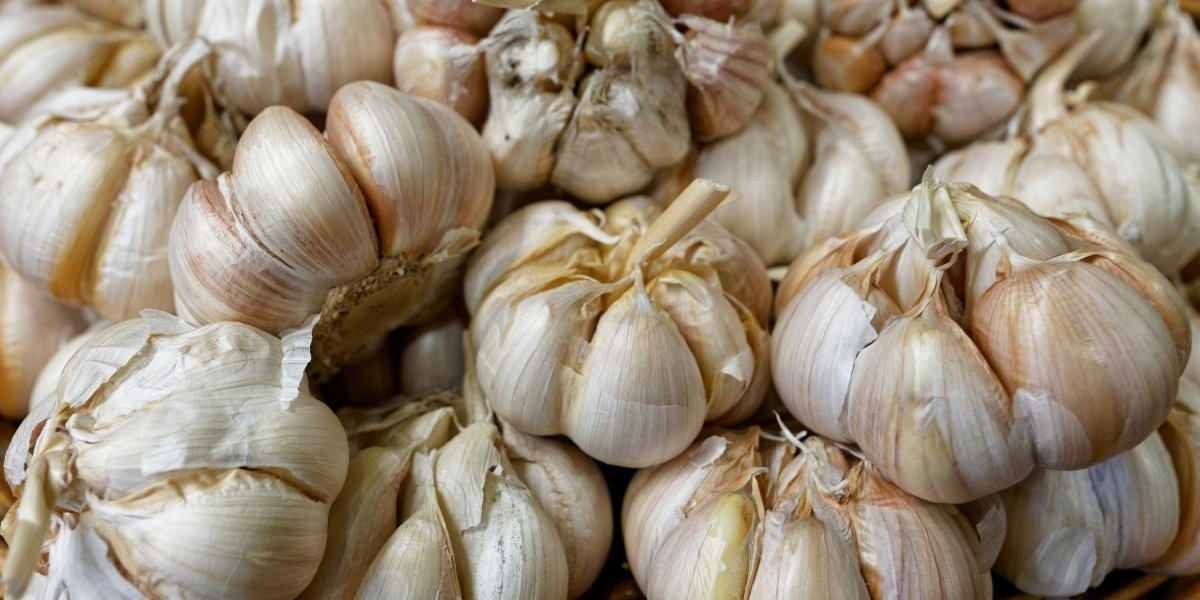
In the vast amphitheater of nature’s pantry, where countless ingredients vie for our attention, there stands a humble, often overlooked protagonist. It lacks the vibrant hues of berries, the exotic allure of superfoods from distant lands, or the delicate fragrance of rare herbs. Yet, beneath its unassuming, papery skin lies a potent secret, a powerhouse of wellness that has journeyed through millennia, whispering tales of healing and vitality across civilizations. This, dear reader, is the story of garlic – the undisputed Most Valuable Player (MVP) of your wellness routine, a testament to nature’s profound, yet often subtle, genius.
For the discerning mind, the knowledgeable seeker of true health, garlic isn’t merely a flavor enhancer; it is a complex symphony of bioactive compounds, a botanical alchemist that transforms the ordinary into the extraordinary. Its saga is not one of fleeting trends but of enduring efficacy, validated by both ancient wisdom and the relentless scrutiny of modern science. Let us embark on a journey, from the dusty annals of history to the intricate pathways of human physiology, to uncover why this pungent bulb deserves a standing ovation in your quest for optimal health.
Act I: The Ancient Roots – A Legend Forged in Time
Our story begins not in a sterile laboratory, but under the scorching sun of ancient Egypt, where the colossal pyramids rose to touch the heavens. Here, thousands of years ago, garlic was not merely a culinary ingredient; it was currency, a ward against evil, and a vital component of the laborers’ diet, believed to impart strength and endurance. Hieroglyphics reveal its presence, its therapeutic value etched into the very fabric of their civilization. It was fed to the pyramid builders, not as a condiment, but as a preventative measure against fatigue and illness, a silent protector ensuring the monumental tasks could be completed.
From the fertile crescent, garlic’s renown spread like wildfire. In ancient Greece, the "Father of Medicine," Hippocrates, famously prescribed garlic for a myriad of conditions, from respiratory problems to parasitic infections, digestive issues, and even as a potent purgative. Athletes in the early Olympic games consumed it for stamina and courage, believing it imbued them with an almost supernatural vigor. Roman soldiers, preparing for battle, chewed on cloves, convinced it would bolster their bravery and protect them from disease and injury in the harsh realities of warfare.
Across the Silk Road, in the mystical East, garlic carved its own indelible mark. In ancient Chinese and Indian Ayurvedic medicine, it was revered as a powerful tonic, a remedy for fever, coughs, and digestive complaints, and a vital ingredient in fortifying the body’s vital energy, or "Qi." Its pungent aroma, far from being a deterrent, was seen as a sign of its potent inner fire, its ability to dispel cold and stagnation from the body.
This extensive historical footprint is not mere folklore; it is the empirical evidence of generations, a collective testimony to garlic’s perceived efficacy long before the advent of microscopes or biochemical analysis. These ancient civilizations, through observation and trial-and-error, understood something profound about this bulb: it possessed an inherent, undeniable power to heal and protect. They intuited its role as a fundamental pillar of wellness, a role that modern science would meticulously deconstruct and, ultimately, corroborate. The story of garlic, therefore, is not just a scientific discovery; it is a rediscovery, a return to wisdom that was nearly forgotten in our pursuit of synthesized solutions.
Act II: The Chemical Crucible – Unveiling the Inner Symphony
The transition from ancient reverence to modern scientific validation marks the next chapter of our saga. For centuries, the precise mechanisms behind garlic’s magic remained shrouded in mystery. What was it, specifically, within this seemingly simple bulb that held such power? The answer, as science would painstakingly reveal, lies in an extraordinarily complex and dynamic chemical symphony, a veritable orchestra of bioactive compounds that play in perfect harmony to produce its profound effects.
At the heart of garlic’s pungent power lies a sulfur-containing compound called alliin. This compound, odorless and stable within the intact garlic clove, is the dormant giant. The moment the garlic clove is crushed, chopped, or bruised – a seemingly destructive act – a remarkable transformation occurs. A specialized enzyme, alliinase, stored in separate compartments within the plant cells, is released and immediately goes to work on alliin. This enzymatic reaction is the ignition switch, converting alliin into its highly reactive and potent successor: allicin.
Allicin is the superstar, the lead violinist in garlic’s chemical orchestra. It’s responsible for the characteristic pungent aroma and many of garlic’s most celebrated health benefits. However, allicin is notoriously unstable. It quickly breaks down into a plethora of other beneficial organosulfur compounds, creating a cascading effect of therapeutic potential. These secondary compounds are just as crucial, and in some cases, even more stable and bioavailable, continuing the wellness narrative long after allicin has played its initial role.
Among these derivatives are:
- Diallyl sulfides (DAS, DADS, DATS): These are perhaps the most studied of allicin’s breakdown products. Diallyl disulfide (DADS) and diallyl trisulfide (DATS) are particularly potent, known for their powerful anti-cancer, anti-inflammatory, and antimicrobial properties. They are the seasoned veterans of garlic’s chemical army, working behind the scenes to bolster health.
- Ajoene: This fascinating compound forms when allicin is exposed to oil. It’s recognized for its anti-thrombotic (anti-clotting) effects, making it a valuable player in cardiovascular health. Ajoene is a testament to how the preparation of garlic can influence its therapeutic profile.
- S-allyl cysteine (SAC): Unlike allicin, SAC is water-soluble and much more stable. It’s particularly prominent in aged garlic extract, a popular supplement form where garlic is aged in an ethanol-water solution for an extended period. SAC is highly bioavailable and crosses the blood-brain barrier, offering unique neuroprotective benefits. It represents the quiet, persistent strength of garlic, delivering long-term, sustained support.
- Other Organosulfur Compounds: The list is extensive, including vinyldithiins and thiosulfinates, each contributing to the complex matrix of garlic’s bioactivity. These compounds act synergistically, meaning their combined effect is greater than the sum of their individual parts, a true orchestral performance.
- Non-Sulfur Compounds: Beyond its famous sulfur compounds, garlic also contains flavonoids, saponins, selenium, and vitamins C and B6. These supporting players, though not as spotlighted, contribute to garlic’s antioxidant capacity and overall nutritional value, adding depth and richness to its wellness profile.
The story of garlic’s chemistry is one of ingenious design. The plant, through evolutionary adaptation, has developed a sophisticated defense mechanism that, when triggered, unleashes a cascade of potent compounds. For us, this translates into a dynamic pharmacopoeia contained within a single bulb. Understanding this chemical crucible is essential for the knowledgeable audience, as it explains how garlic delivers on its ancient promises and continues to earn its MVP status in the modern world.
Act III: The Arena of the Body – Garlic’s Plays on the Field
With its potent chemical arsenal unveiled, let us now venture into the ultimate arena: the human body. Here, garlic’s compounds perform their most crucial plays, exhibiting a breathtaking versatility that impacts virtually every major system. It’s not just a single-position player; garlic is a multi-talented MVP, excelling in defense, offense, and strategic support.
1. The Cardiovascular Champion: A Guardian of the Heart
In an era plagued by cardiovascular diseases, garlic emerges as a frontline defender, a true champion of heart health. Its multifaceted actions address several critical risk factors:
- Blood Pressure Regulation: Garlic’s organosulfur compounds, particularly polysulfides, are metabolized into hydrogen sulfide (H2S) in the bloodstream. H2S is a gasotransmitter, a signaling molecule that causes the relaxation of smooth muscle cells in blood vessels, leading to vasodilation. This widening of blood vessels reduces peripheral resistance, effectively lowering blood pressure. Furthermore, garlic compounds enhance the production of nitric oxide (NO), another potent vasodilator. For individuals with hypertension, this natural, gentle yet effective mechanism offers a compelling adjunct to their wellness strategy.
- Cholesterol and Lipid Management: While not a dramatic cholesterol-lowering agent, garlic has been shown to modestly reduce total cholesterol and LDL (bad) cholesterol levels, particularly in those with elevated lipids. Its compounds may inhibit HMG-CoA reductase, an enzyme involved in cholesterol synthesis in the liver, similar to statin drugs, albeit with a far gentler touch. It also appears to reduce triglyceride levels and may increase beneficial HDL (good) cholesterol, contributing to a more favorable lipid profile.
- Anti-Platelet and Anti-Thrombotic Effects: The presence of ajoene and other thiosulfinates gives garlic significant anti-clotting properties. These compounds inhibit platelet aggregation, preventing the formation of dangerous blood clots that can lead to heart attacks and strokes. This natural "blood thinning" effect, while requiring caution in those on anticoagulant medications, underscores garlic’s proactive role in maintaining arterial fluidity.
- Arterial Health and Endothelial Function: Beyond just pressure and lipids, garlic supports the overall health and elasticity of blood vessels. It helps prevent the oxidation of LDL cholesterol, a key step in the formation of atherosclerotic plaque. By improving endothelial function – the health of the inner lining of blood vessels – garlic ensures smoother blood flow and reduced arterial stiffness, acting as a crucial preventative against the hardening of the arteries.


Post Comment