The Alchemist in the Allium: How Garlic Orchestrates Cellular Defenses Against Disease
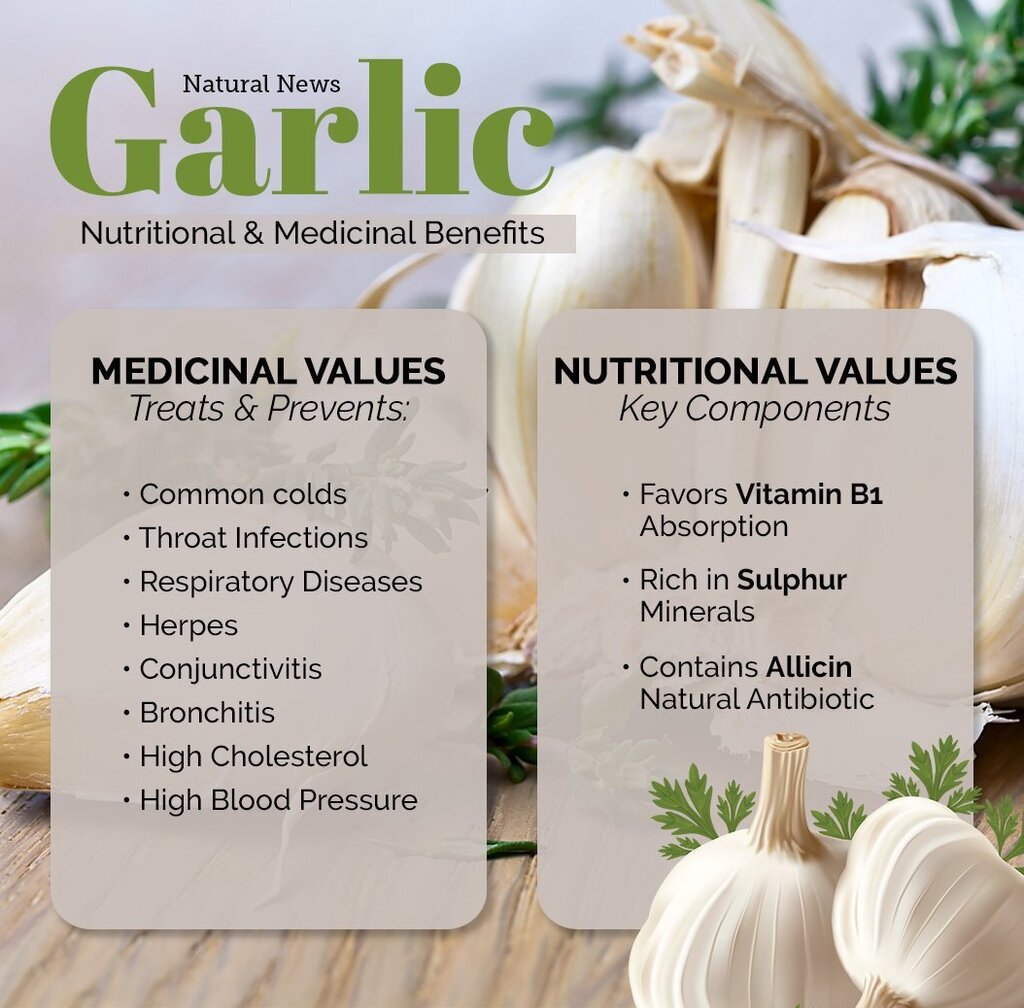
From the dawn of civilization, across cultures and continents, a humble bulb with a pungent aroma has commanded reverence as both a culinary staple and a potent medicine. Garlic, Allium sativum, has been praised by Hippocrates, prescribed by ancient Egyptians, and relied upon by traditional healers for millennia. While its folklore is rich, the true marvel of garlic lies not in myth, but in its intricate molecular ballet within the human body. To the knowledgeable observer, the story of how garlic fights disease unfolds not as a simple remedy, but as a complex symphony of cellular and biochemical interactions, a testament to nature’s profound pharmacy.
This is the story of garlic at the cellular level, a journey into the microscopic world where its active compounds engage with our biological machinery, orchestrating defenses, repairing damage, and ultimately, fighting the insidious march of disease.
The Genesis of Power: Unveiling Garlic’s Chemical Arsenal
The magic of garlic begins even before it enters the body, with a remarkable chemical transformation. A whole, intact clove of garlic is a relatively benign entity, containing a sulfur-containing amino acid called alliin and an enzyme, alliinase, sequestered in separate cellular compartments. The moment garlic is crushed, chopped, or chewed, these compartments are breached. Alliinase rapidly converts alliin into allicin, the volatile, highly reactive compound responsible for garlic’s characteristic odor and much of its immediate biological activity.
Allicin, however, is merely the progenitor, the "mother compound." It is unstable and quickly breaks down into a cascade of other organosulfur compounds, each with distinct pharmacological properties. These include:
- Diallyl sulfides (DAS, DADS, DATS): Diallyl monosulfide (DAS), diallyl disulfide (DADS), and diallyl trisulfide (DATS) are major components, particularly in garlic oil and lipid-soluble extracts. These are responsible for much of garlic’s antioxidant, anti-inflammatory, and anti-cancer effects.
- Ajoene: Formed from the self-condensation of allicin, ajoene is a potent anti-thrombotic and anti-cancer agent, especially prominent in oil-macerated garlic extracts.
- Vinyldithiins: Cyclic compounds that contribute to anti-platelet activity.
- S-allyl cysteine (SAC) and S-allyl mercaptocysteine (SAMC): These are water-soluble compounds, stable and highly bioavailable, particularly abundant in aged garlic extract (AGE). They are often credited with many of the long-term, systemic health benefits, including cardiovascular protection and neuroprotection, due to their potent antioxidant and anti-inflammatory properties without the pungent odor.
The specific blend and concentration of these compounds depend on how the garlic is prepared – raw, cooked, dried, or aged. This dynamic chemical profile is crucial to understanding its multifaceted cellular impact, as each compound, or combination thereof, interacts with distinct molecular targets, initiating a cascade of protective responses within our cells.
Quenching Cellular Fires: Garlic as an Antioxidant Powerhouse
At the heart of many chronic diseases – from cardiovascular ailments and neurodegeneration to cancer and accelerated aging – lies oxidative stress. This destructive process occurs when there’s an imbalance between the production of reactive oxygen species (ROS) and reactive nitrogen species (RNS), commonly known as free radicals, and the body’s ability to neutralize them. These highly reactive molecules attack and damage cellular components: lipids (leading to lipid peroxidation), proteins (impairing enzyme function), and DNA (causing mutations and genomic instability).
Garlic, particularly its organosulfur compounds, stands as a formidable antioxidant. Its action is two-fold:
-
Direct Scavenging: Many of garlic’s sulfur-containing compounds, especially allicin and the diallyl sulfides, possess highly reactive sulfhydryl (-SH) groups. These groups are excellent nucleophiles and reductants, capable of directly neutralizing free radicals by donating electrons. They essentially "sacrifice" themselves, quenching the destructive chain reactions initiated by ROS and RNS before they can inflict damage on vital cellular structures. For instance, allicin can directly react with superoxide anions and hydroxyl radicals, rendering them harmless.
-
Boosting Endogenous Antioxidant Systems: This is where garlic truly shines as a cellular orchestrator. Rather than merely acting as an external scavenger, garlic compounds actively stimulate the cell’s internal antioxidant machinery. A key player in this cellular defense is Nrf2 (nuclear factor erythroid 2-related factor 2). Under normal conditions, Nrf2 is sequestered in the cytoplasm by a protein called Keap1. Oxidative stress, or the presence of electrophilic compounds like those in garlic, causes a conformational change in Keap1, releasing Nrf2. Once liberated, Nrf2 translocates to the nucleus, where it binds to specific DNA sequences called antioxidant response elements (AREs).
This binding initiates the transcription of a battery of genes encoding crucial antioxidant and detoxification enzymes, including:
- Superoxide dismutase (SOD): Converts superoxide radicals into less harmful oxygen and hydrogen peroxide.
- Catalase (CAT): Breaks down hydrogen peroxide into water and oxygen.
- Glutathione peroxidase (GPx): Reduces hydrogen peroxide and organic hydroperoxides using glutathione.
- Heme oxygenase-1 (HO-1): An inducible enzyme with potent antioxidant and anti-inflammatory properties.
- NAD(P)H:quinone oxidoreductase 1 (NQO1): Reduces quinones, preventing their redox cycling and ROS generation.

Post Comment