Gut Health Hero: Why Curry Leaves Are the Secret to Better Digestion
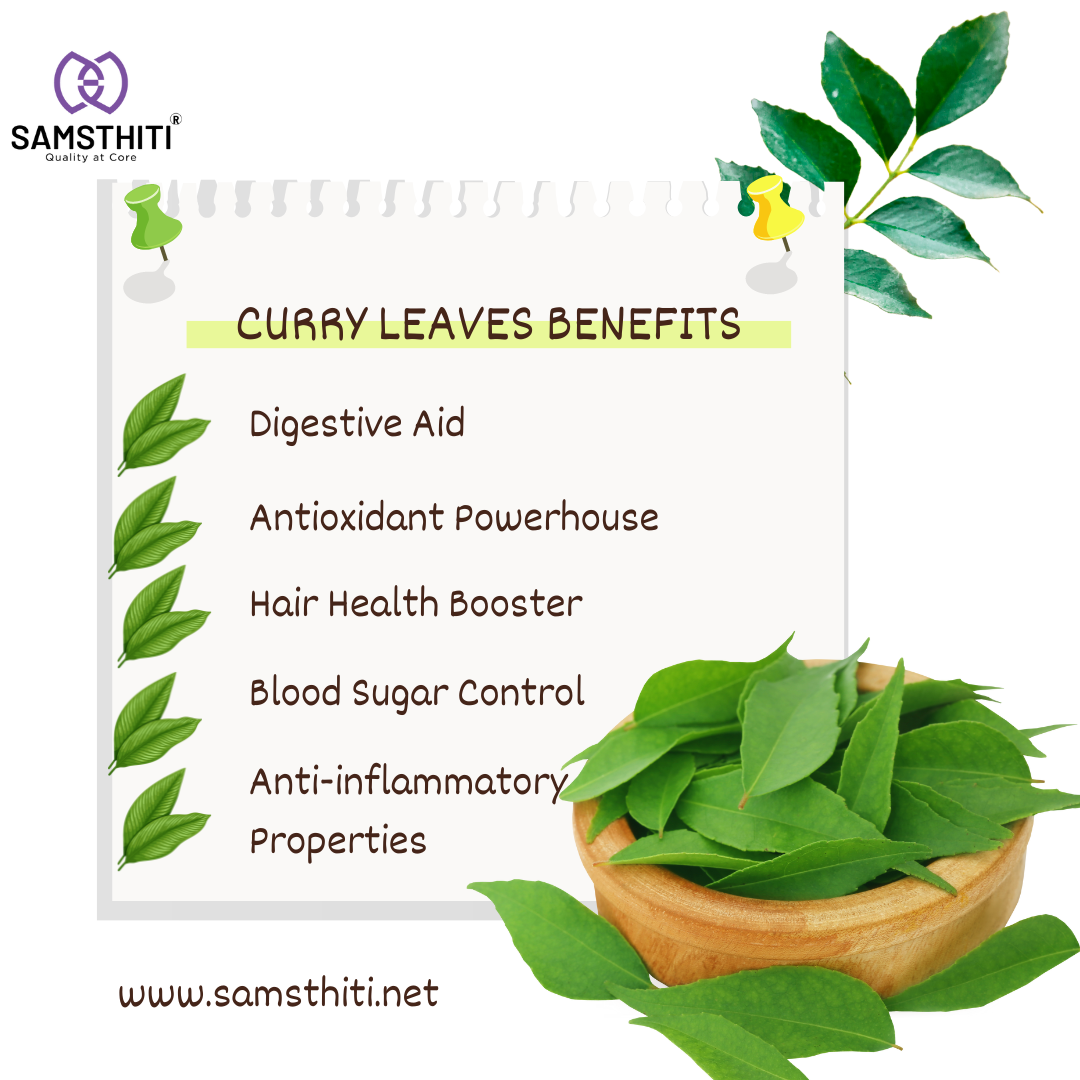
In the vibrant tapestry of global cuisines, some ingredients are so deeply woven into the fabric of daily life that their profound health benefits often remain an unspoken secret, overshadowed by their delicious contributions to flavor. Among these unsung heroes, the humble curry leaf ( Murraya koenigii ) stands tall. For centuries, this aromatic leaf has been the soul of South Asian cooking, infusing dishes with an unparalleled freshness and a subtle, peppery zest. Yet, beyond its culinary charm lies a powerful botanical ally, a true Gut Health Hero, whose multifaceted contributions to our digestive wellness are only now beginning to be fully appreciated by modern science.
Imagine a world where your inner ecosystem, the bustling metropolis of your gut microbiome, functions in perfect harmony. A world where digestion is effortless, nutrient absorption is optimal, and your immune system stands strong, all thanks to the subtle influence of a single, verdant leaf. This isn’t a fantasy; it’s the potential reality that curry leaves offer, a reality rooted in ancient wisdom and increasingly validated by contemporary research.
This is the story of how a common culinary herb transforms into a digestive powerhouse, revealing the intricate science behind its efficacy, exploring its traditional roots, and ultimately, empowering you to unlock its full potential for a healthier, happier gut. For the discerning individual seeking to understand the deeper mechanisms of natural health, this narrative will unfold the layers of why curry leaves are not just a seasoning, but a vital secret to better digestion.
Chapter 1: The Gut Microbiome – The Unseen Universe Within
Before we fully appreciate our hero, the curry leaf, we must first understand the landscape it seeks to transform: the human gut microbiome. Far from being a mere digestive tube, our gastrointestinal tract is a complex, dynamic ecosystem teeming with trillions of microorganisms – bacteria, viruses, fungi, and archaea – collectively weighing as much as our brain. This unseen universe, often referred to as our "second brain," plays an extraordinarily vital role in almost every aspect of our health, extending far beyond the confines of digestion.
The gut microbiome is a master conductor, orchestrating a symphony of physiological processes. It is responsible for breaking down complex carbohydrates that our own enzymes cannot digest, thereby extracting vital nutrients and energy. It synthesizes essential vitamins, such as B vitamins and Vitamin K, which are crucial for metabolism and blood clotting. More profoundly, it acts as a critical gatekeeper, forming a robust barrier against pathogens and toxins while communicating intimately with our immune system – an astonishing 70-80% of which resides in the gut. This intricate communication dictates our body’s inflammatory responses, shaping our susceptibility to allergies, autoimmune conditions, and chronic diseases.
Beyond its physical roles, the gut microbiome profoundly influences our mental health through the bidirectional gut-brain axis. It produces neurotransmitters like serotonin, often dubbed the "happiness hormone," and impacts our stress response, mood, and cognitive function. A balanced and diverse microbiome is thus foundational to overall well-being, fostering robust immunity, clear thinking, and emotional resilience.
However, this delicate balance is constantly under threat in our modern world. Diets high in processed foods, sugar, and unhealthy fats, coupled with antibiotic use, stress, environmental toxins, and a lack of fiber, can lead to a state of dysbiosis – an imbalance in the microbial community. Dysbiosis is characterized by a reduction in beneficial bacteria and an overgrowth of harmful ones, leading to a cascade of negative health consequences. Chronic inflammation, irritable bowel syndrome (IBS), inflammatory bowel disease (IBD), leaky gut syndrome, metabolic disorders like type 2 diabetes and obesity, and even certain neurological conditions have all been linked to a compromised gut microbiome.
Given the immense importance of this internal ecosystem, the quest for natural, sustainable ways to support and nourish it has become paramount. This is precisely where our unassuming hero, the curry leaf, steps into the spotlight, offering a time-honored solution to nurture this unseen universe within us. How can a simple leaf, plucked from a tropical tree, wield such profound influence over this complex internal world? The answer lies in its rich phytochemistry, a treasure trove of bioactive compounds waiting to be unveiled.
Chapter 2: Introducing the Hero – Curry Leaves (Murraya Koenigii) – A Botanical Profile
Our protagonist, the curry leaf, hails from the plant Murraya koenigii, a tropical to sub-tropical tree belonging to the Rutaceae family, which also includes citrus fruits. Native to India, Sri Lanka, and other parts of South Asia, this small to medium-sized tree is easily recognizable by its shiny, dark green, aromatic leaves arranged in a pinnate fashion. Each leaf cluster emits a distinctive, pungent, and slightly nutty aroma when bruised or crushed, a scent that immediately transports one to the bustling kitchens of the subcontinent.
For millennia, the curry leaf has been more than just a seasoning; it is an integral part of Ayurvedic, Siddha, and Unani medicine systems, revered for its extensive medicinal properties. Traditional practitioners have prescribed curry leaves for a wide array of ailments, long before the advent of modern pharmacology. It has been used to treat digestive complaints like indigestion, diarrhea, and dysentery, as well as to manage diabetes, reduce inflammation, improve hair growth, and even as an antidote for insect bites. The wisdom passed down through generations speaks volumes about its efficacy, a testament to empirical observation and a deep understanding of natural remedies.
In the culinary world, curry leaves are most famously used in tempering (known as tadka or chaunk), a technique where whole spices and herbs are fried in hot oil or ghee to release their essential oils and flavors, which are then poured over a dish. This not only imparts a unique aroma and taste but also, as we are beginning to understand, introduces potent bioactive compounds into our meals. From lentil stews (dal) and vegetable curries to rice dishes and snacks, the presence of curry leaves signifies a dish imbued with both flavor and a hidden wellness boost.
While its culinary presence is undeniable, the scientific community has only recently begun to systematically investigate the vast pharmacological potential of Murraya koenigii. Initial research has confirmed many of the traditional claims, highlighting its antioxidant, anti-inflammatory, antimicrobial, anti-diabetic, and cholesterol-lowering properties. However, its specific impact on the gut microbiome and digestive health has emerged as an area of particularly exciting focus. The journey to understand how this seemingly simple leaf acts as a Gut Health Hero begins with dissecting its intricate chemical composition, revealing the powerful arsenal of compounds it wields.
Chapter 3: The Arsenal of Bioactive Compounds – What Makes Curry Leaves Potent?
The true power of the curry leaf lies in its rich and diverse phytochemical profile, a complex symphony of bioactive compounds that work synergistically to exert its profound health benefits. These compounds are the hero’s specialized tools, each contributing to its ability to nurture and restore digestive harmony.
1. Carbazole Alkaloids: The Unique Signatures
At the forefront of curry leaf’s bioactive arsenal are its unique carbazole alkaloids. These nitrogen-containing organic compounds, such as mahanimbine, koenigine, koenimbine, girinimbine, and mahanine, are largely responsible for the distinctive aroma and many of the medicinal properties of Murraya koenigii.
- Antioxidant Powerhouses: Carbazole alkaloids exhibit significant antioxidant activity, scavenging harmful free radicals that can damage cells and contribute to inflammation throughout the body, including the delicate lining of the gut.
- Anti-inflammatory Agents: Research suggests these compounds can modulate inflammatory pathways, reducing the production of pro-inflammatory cytokines. In the context of gut health, this is crucial for alleviating conditions like IBS and IBD, which are characterized by chronic inflammation.
- Antimicrobial Properties: Several carbazole alkaloids have demonstrated antimicrobial activity against a range of pathogenic bacteria and fungi. This selective action is particularly important for gut health, as it allows curry leaves to potentially inhibit the growth of harmful microbes without indiscriminately wiping out beneficial gut flora, thereby helping to restore microbial balance.
2. Phenolic Compounds: The Broad-Spectrum Defenders
Curry leaves are also rich in various phenolic compounds, a large group of plant-derived antioxidants. These include flavonoids (like quercetin, kaempferol, and myricetin) and phenolic acids (such as gallic acid, chlorogenic acid, and ferulic acid).
- Potent Antioxidants: Phenolics are renowned for their ability to neutralize oxidative stress, protecting the intestinal lining from damage caused by free radicals and environmental toxins. Oxidative stress is a key driver of gut inflammation and permeability ("leaky gut").
- Anti-inflammatory Effects: Similar to carbazole alkaloids, flavonoids and phenolic acids actively suppress inflammatory responses, contributing to a calmer and healthier gut environment. Quercetin, for instance, is well-known for its anti-inflammatory and gut-protective properties.
- Prebiotic Potential: Some phenolic compounds, particularly those that are not fully absorbed in the upper digestive tract, reach the colon where they can be metabolized by gut bacteria. This interaction can selectively stimulate the growth of beneficial bacteria, effectively acting as prebiotics.


Post Comment