The Verdant Whisper: Why Bay Leaf Tea is the Elixir You Didn’t Know You Needed
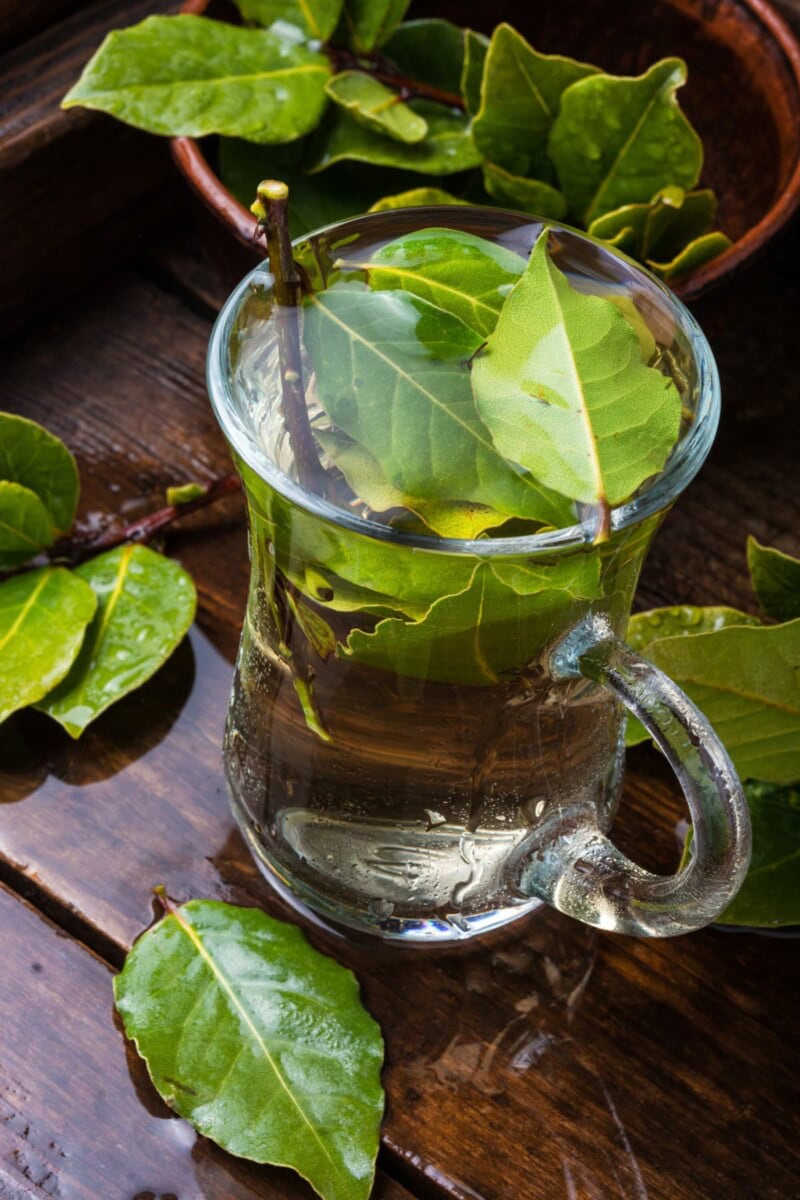
In the bustling theatre of modern wellness, where superfoods clamor for attention and exotic concoctions promise instant rejuvenation, it’s easy to overlook the quiet wisdom steeped in our own kitchens. Amidst the vibrant turmeric lattes and the complex adaptogenic blends, a humble hero often sits forgotten in the spice rack: the bay leaf. More than just a culinary aromatic, this unassuming leaf, when coaxed into a warm infusion, unveils a tapestry of benefits so profound, so ancient, and so remarkably relevant to our contemporary lives, that it compels us to ask: why aren’t we all drinking bay leaf tea?
This isn’t merely an article about a beverage; it’s an invitation to rediscover a forgotten ritual, a journey through history, science, and sensory delight. It’s a story of how a simple leaf, steeped in hot water, can become a potent ally in our quest for holistic well-being. For the discerning mind, the knowledgeable palate, and the soul seeking a deeper connection to nature’s pharmacy, the narrative of bay leaf tea is one worth savoring.
Chapter 1: Echoes of Antiquity – The Bay Leaf’s Enduring Legacy
Our story begins not in a modern laboratory, but in the sun-drenched landscapes of ancient Greece and Rome, where the Laurus nobilis, or sweet bay tree, was revered as a symbol of wisdom, victory, and protection. Apollo, the god of healing, music, and prophecy, adopted the laurel as his sacred tree, his eternal grief for the nymph Daphne transforming her into its verdant leaves. Victors in the Pythian Games, Roman emperors, and celebrated poets were crowned with wreaths of bay leaves, their fragrant foliage signifying triumph and unparalleled achievement. The very word "laureate" speaks to this ancient tradition, a testament to the bay leaf’s enduring association with excellence.
Beyond its symbolic power, the bay leaf was a fixture in ancient medicine and daily life. Roman physicians and herbalists understood its carminative properties, using it to aid digestion and alleviate stomach ailments after lavish banquets. Greek scholars brewed its leaves for their calming effects, believing it cleared the mind and stimulated intellect. It was burned as an incense to purify spaces and ward off negative energies, its aromatic smoke a bridge between the physical and spiritual realms.
This deep-rooted history isn’t just a charming anecdote; it’s a foundational pillar. It tells us that the benefits we are exploring today are not new discoveries but rather a rediscovery of wisdom passed down through generations. The enduring presence of the bay leaf in culinary traditions across the Mediterranean, Middle East, and beyond further solidifies its status as a time-tested botanical ally, its subtle perfume enriching countless dishes, and quietly, almost secretly, bestowing its medicinal gifts upon those who consume it.
Chapter 2: The Biochemical Symphony – Unveiling the Leaf’s Potent Compounds
To understand why bay leaf tea is so beneficial, we must delve into the intricate biochemical symphony playing within each leaf. The magic isn’t a single compound but a harmonious blend of volatile oils, flavonoids, and other phytonutrients that work synergistically to produce its therapeutic effects.
The most prominent players in this symphony are:
-
Eugenol: This aromatic compound, also found in cloves, is a powerhouse. It’s renowned for its potent anti-inflammatory and antiseptic properties. In the context of bay leaf tea, eugenol contributes significantly to its ability to soothe discomfort and combat microbial threats.
-
Cineol (Eucalyptol): Giving bay leaf its characteristic fresh, slightly camphorous aroma, cineol is a major component also found in eucalyptus. It’s a potent expectorant, helping to clear respiratory passages, and possesses strong anti-inflammatory and antimicrobial qualities. This is why bay leaf tea can feel so clarifying for the sinuses and throat.
-
Linalool: This monoterpene alcohol is celebrated for its calming and anxiolytic (anti-anxiety) effects. It contributes to the subtle sedative qualities of bay leaf, making the tea a gentle aid for relaxation and improved sleep quality. Its presence links the ancient belief in bay leaf’s mind-clearing properties to modern neuroscience.
-
Pinene: Another terpene, pinene is found in pine trees and contributes to the earthy, resinous notes of bay leaf. It also boasts anti-inflammatory and antiseptic properties, further enhancing the leaf’s medicinal profile.
-
Methyl Chavicol (Estragole): While present in smaller quantities, this compound contributes to the unique aroma and flavor, and some studies suggest it may have mild analgesic (pain-relieving) properties.
-
Flavonoids and Polyphenols: Like many herbs and plants, bay leaves are rich in a diverse array of antioxidants. Quercetin, kaempferol, and myricetin are just a few examples. These compounds are crucial for neutralizing free radicals, reducing oxidative stress, and protecting cells from damage, thus playing a vital role in overall health and disease prevention.


Post Comment