Anti-Inflammatory Powerhouses: Breaking Down the Compounds in Bay Leaves
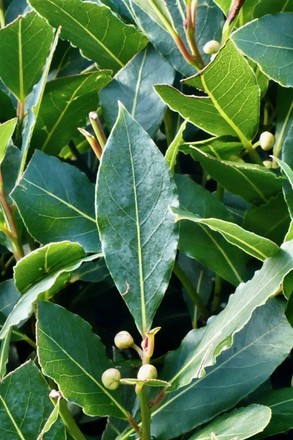
The humble bay leaf, a verdant emblem of victory and wisdom in ancient lore, often finds its primary modern role as a silent, aromatic architect in our culinary creations. Tucked into a simmering stew, infused into a fragrant broth, or lending depth to a marinade, its contribution is typically perceived as purely gastronomic – a subtle whisper of flavor that elevates the ordinary. Yet, beneath this culinary veneer lies a profound story, one of ancient healing, sophisticated phytochemistry, and a potent arsenal of anti-inflammatory compounds waiting to be fully appreciated.
For millennia, cultures across the Mediterranean and beyond intuitively recognized the therapeutic power of Laurus nobilis, the true bay laurel. From garlands adorning Roman emperors to infusions brewed by traditional healers, its applications extended far beyond the palate. Today, as science increasingly validates traditional wisdom, the bay leaf is emerging from the shadow of its culinary fame to claim its rightful place as an anti-inflammatory powerhouse, a miniature pharmacy contained within its glossy, elliptical form.
This article embarks on a journey to unravel this hidden power, delving deep into the intricate tapestry of compounds that make the bay leaf such a remarkable botanical. We will break down the specific molecules responsible for its anti-inflammatory effects, explore their mechanisms of action, and understand how this ancient spice continues to tell a compelling story of natural healing in the modern world.
The Silent Fire: Understanding Inflammation
Before dissecting the bay leaf’s chemical arsenal, it’s crucial to grasp the nature of its adversary: inflammation. Far from being an inherently negative process, acute inflammation is a vital physiological response, the body’s rapid-response team deployed to protect against infection, injury, and irritants. It’s characterized by redness, heat, swelling, pain, and loss of function – classic signs that the immune system is actively working to repair damage and neutralize threats.
However, when this protective mechanism becomes chronic, it transforms into a destructive force. Persistent, low-grade inflammation is now recognized as a root cause or exacerbating factor in a vast array of modern diseases, including cardiovascular disease, diabetes, neurodegenerative disorders like Alzheimer’s and Parkinson’s, autoimmune conditions (rheumatoid arthritis, lupus), various cancers, and even mental health issues. Chronic inflammation is a systemic slow burn, silently eroding tissues and disrupting cellular function.
The inflammatory cascade is complex, involving an intricate dance of immune cells, signaling molecules (cytokines, chemokines), and enzymatic pathways. Key players include:
- Pro-inflammatory Cytokines: Such as Tumor Necrosis Factor-alpha (TNF-α), Interleukin-1 beta (IL-1β), and Interleukin-6 (IL-6), which act as messengers to amplify the inflammatory response.
- Enzymes: Cyclooxygenase (COX-1 and COX-2) and Lipoxygenase (LOX) enzymes, which produce prostaglandins and leukotrienes, potent mediators of pain and swelling.
- Transcription Factors: Nuclear Factor-kappa B (NF-κB) is a master regulator that controls the expression of numerous genes involved in inflammation and immunity.
- Reactive Oxygen Species (ROS) and Reactive Nitrogen Species (RNS): These "free radicals" are highly reactive molecules that cause oxidative stress, damaging cells and exacerbating inflammation.
Combating chronic inflammation therefore requires a multifaceted approach, targeting these various pathways without necessarily shutting down the beneficial aspects of acute inflammation. This is where the nuanced phytochemistry of the bay leaf truly shines.
A Historical Prologue: The Laurel’s Enduring Legacy
The story of the bay leaf begins not in the laboratory, but in the sun-drenched landscapes of the Mediterranean. Laurus nobilis was sacred to the ancient Greeks, especially to the god Apollo, who pursued the nymph Daphne until she transformed into a laurel tree to escape him. From then on, Apollo adopted the laurel as his sacred plant, wearing a wreath of its leaves. This symbolism of honor, victory, and poetic inspiration endured through the Roman Empire, where victors in athletic games, military triumphs, and even esteemed poets were crowned with laurel wreaths. The very words "baccalaureate" and "poet laureate" derive from this ancient tradition.
Beyond its symbolic grandeur, the laurel was deeply embedded in ancient medicine. Dioscorides, the Greek physician and pharmacologist, detailed its medicinal uses in his monumental work De Materia Medica in the 1st century CE. He described its properties as warming, drying, diuretic, and carminative, recommending it for conditions ranging from liver and spleen ailments to uterine disorders and insect bites. Pliny the Elder, in his Natural History, also noted its medicinal virtues, particularly for its ability to relieve pain and spasms.
Throughout the Middle Ages and into the Renaissance, the bay leaf remained a staple in European herbal medicine. It was used as a digestive aid, an expectorant for respiratory issues, an emmenagogue, and a diaphoretic. Poultices of bay leaves were applied topically to soothe joint pain, muscle aches, and skin irritations – early, intuitive applications of its anti-inflammatory properties. This rich tapestry of historical and traditional use provides a compelling backdrop for modern scientific inquiry, suggesting that the plant’s efficacy is not a recent discovery, but rather a re-discovery, validated by contemporary tools.
The Chemical Arsenal: Breaking Down Bay Leaf Compounds
The bay leaf’s therapeutic power stems from its complex phytocomplex – a symphony of bioactive compounds that work synergistically. While thousands of molecules exist in nature, researchers have identified several key classes of compounds within Laurus nobilis that contribute significantly to its anti-inflammatory effects.
1. Essential Oils: The Volatile Architects of Aroma and Action
The characteristic fragrance of bay leaves comes from its essential oil, a complex mixture of volatile organic compounds. This oil is a primary source of its anti-inflammatory potential.
-
1,8-Cineole (Eucalyptol): This monoterpene oxide is often the most abundant compound in bay leaf essential oil, sometimes comprising up to 50% or more. Its name, "eucalyptol," hints at its presence in eucalyptus, another plant renowned for its respiratory and anti-inflammatory benefits.
- Mechanism of Action: 1,8-cineole is a potent anti-inflammatory agent. Research indicates it can:
- Inhibit pro-inflammatory cytokines: It has been shown to suppress the production of TNF-α, IL-1β, and IL-6, effectively dampening the inflammatory cascade.
- Mechanism of Action: 1,8-cineole is a potent anti-inflammatory agent. Research indicates it can:


Post Comment