The Chemistry of Flavor and the Whisper of Wellness: How Bay Leaves Support Blood Sugar Regulation
In the quiet alchemy of a simmering pot, where humble ingredients transform into something sublime, there often lies a leaf, unassuming yet potent. It’s the bay leaf, Laurus nobilis, a relic of ancient kitchens and a silent architect of flavor. For centuries, its presence has been taken for granted – a woody, slightly camphoraceous note that grounds a stew, brightens a broth, or infuses a creamy sauce with an elusive depth. We add it, we simmer, and often, we remove it, its job seemingly done. Yet, to dismiss the bay leaf as merely a fleeting aromatic is to overlook a profound story, a narrative whispered in the language of organic chemistry and echoing in the halls of human physiology.
This is a story not just of taste, but of a sophisticated chemical symphony playing out within our bodies, a story where the very molecules that define a bay leaf’s distinctive flavor might also be quietly orchestrating a dance with our blood sugar, offering a subtle yet significant support in the grand challenge of metabolic health. For the knowledgeable palate and the curious mind, the bay leaf is more than a culinary accent; it is a testament to the intricate relationship between the natural world, the art of cooking, and the science of well-being.
The Bay Leaf: A Botanical Portrait of Ancient Lineage
Our journey begins with the leaf itself. Laurus nobilis, or the true laurel, is an evergreen tree native to the Mediterranean region. Its glossy, dark green leaves have been revered since antiquity, not only for their aromatic qualities but also for their symbolic power. Crowns of laurel adorned poets, athletes, and emperors in ancient Greece and Rome, signifying victory, honor, and wisdom. This rich history imbues the bay leaf with a certain gravitas, a sense of timelessness that transcends its common culinary role.
Culturally, the bay leaf is a foundational element in countless cuisines. From the rich, slow-cooked tagines of North Africa to the hearty bouillabaisse of France, from the complex curries of India to the comforting stews of Eastern Europe, its presence is pervasive. It’s rarely the star, but always the indispensable supporting actor, providing a foundation upon which other flavors can build and flourish. The flavor profile is complex: a delicate balance of earthy, woody, and slightly floral notes, underpinned by a distinctive camphoraceous or minty freshness. It’s a flavor that requires time to unfurl, slowly releasing its essence into hot liquids, becoming more mellow and integrated with prolonged cooking. This slow release is key, not just to its flavor contribution, but, as we shall see, to its potential physiological effects.
But what exactly is this "essence"? What are the chemical constituents that give the bay leaf its unique character, and more importantly, what might they be doing beyond tantalizing our taste buds?
The Symphony of Scent: Deconstructing Bay Leaf Flavor Chemistry
To understand the bay leaf’s potential health benefits, we must first delve into its chemical composition. The aroma and flavor we perceive are the result of a complex interplay of volatile and non-volatile compounds, each contributing a note to its overall symphony. This isn’t a single ingredient at play, but a rich orchestra of molecules.
The Volatile Architects of Aroma:
The most prominent players in the bay leaf’s aromatic profile are its essential oils, a concentrated blend of volatile organic compounds. Among these, 1,8-cineole, also known as eucalyptol, stands out. This monoterpene is often the most abundant compound, sometimes comprising up to 50% or more of the leaf’s essential oil content. It’s responsible for the bay leaf’s characteristic fresh, camphoraceous, and slightly minty aroma – a note that is both invigorating and grounding. Interestingly, 1,8-cineole is widely studied for its own biological activities, including anti-inflammatory, antimicrobial, and even bronchodilatory properties. Its presence alone hints at broader physiological interactions.
Accompanying 1,8-cineole are other significant terpenes and terpenoids:
- Alpha-Pinene and Beta-Pinene: These contribute woody, piney, and fresh notes, familiar to anyone who has walked through a conifer forest. They are also known for their anti-inflammatory and antiseptic qualities.
- Linalool: A more delicate, floral, and slightly spicy note, linalool adds complexity and roundness to the bay leaf’s bouquet. It’s also recognized for its anxiolytic and sedative properties in aromatherapy, hinting at a calming influence.
- Eugenol and Methyl Eugenol: These compounds lend a warm, clove-like, and slightly spicy aroma. Eugenol, in particular, is a potent antioxidant and anti-inflammatory agent. While methyl eugenol can be a concern in very high concentrations due to potential hepatotoxicity, its levels in culinary bay leaves are generally considered safe and contribute subtly to the overall flavor profile.
- Terpenes and Terpenoids: These are a vast class of organic compounds derived from isoprene units, prevalent throughout the plant kingdom. They are primary constituents of essential oils and are responsible for many of the aromas, flavors, and medicinal properties of plants. In bay leaves, the sheer variety of these compounds ensures a broad spectrum of biological activity.
The Silent Power of Non-Volatiles:
Beyond the immediate aromatic hit, bay leaves also harbor a wealth of non-volatile compounds, which, while not directly contributing to its scent, play a crucial role in its potential health benefits. These include:
- Flavonoids: These are powerful plant pigments and antioxidants, such as quercetin, kaempferol, and myricetin. Flavonoids are renowned for their ability to combat oxidative stress, reduce inflammation, and support cardiovascular health. Their presence in bay leaves aligns them with a broader category of health-promoting botanicals.
- Phenolic Acids: Like gallic acid and caffeic acid, these are another class of potent antioxidants that contribute to the leaf’s overall protective capacity.
- Tannins: These compounds provide a slight astringency and are known for their antioxidant and antimicrobial properties, though in culinary amounts, their impact on nutrient absorption is minimal.
- Sesquiterpene Lactones: While less dominant in flavor, compounds like costunolide and dehydrocostus lactone are present and have demonstrated various biological activities, including anti-inflammatory and cytotoxic effects in cell studies.
The Entourage Effect: More Than the Sum of Its Parts
Crucially, the power of the bay leaf, both in flavor and potential therapeutic action, lies not in any single isolated compound, but in the synergistic interaction of these hundreds of molecules. This "entourage effect" or "cocktail effect" means that the combined action of all constituents is greater and more nuanced than the sum of their individual effects. The terpenes, flavonoids, and phenolic acids work in concert, amplifying each other’s beneficial properties, creating a holistic impact that isolated compounds often cannot replicate. This complex interplay is what makes natural ingredients so fascinating and often so challenging to fully dissect in scientific studies.
The Dance with Glucose: Understanding Blood Sugar Regulation
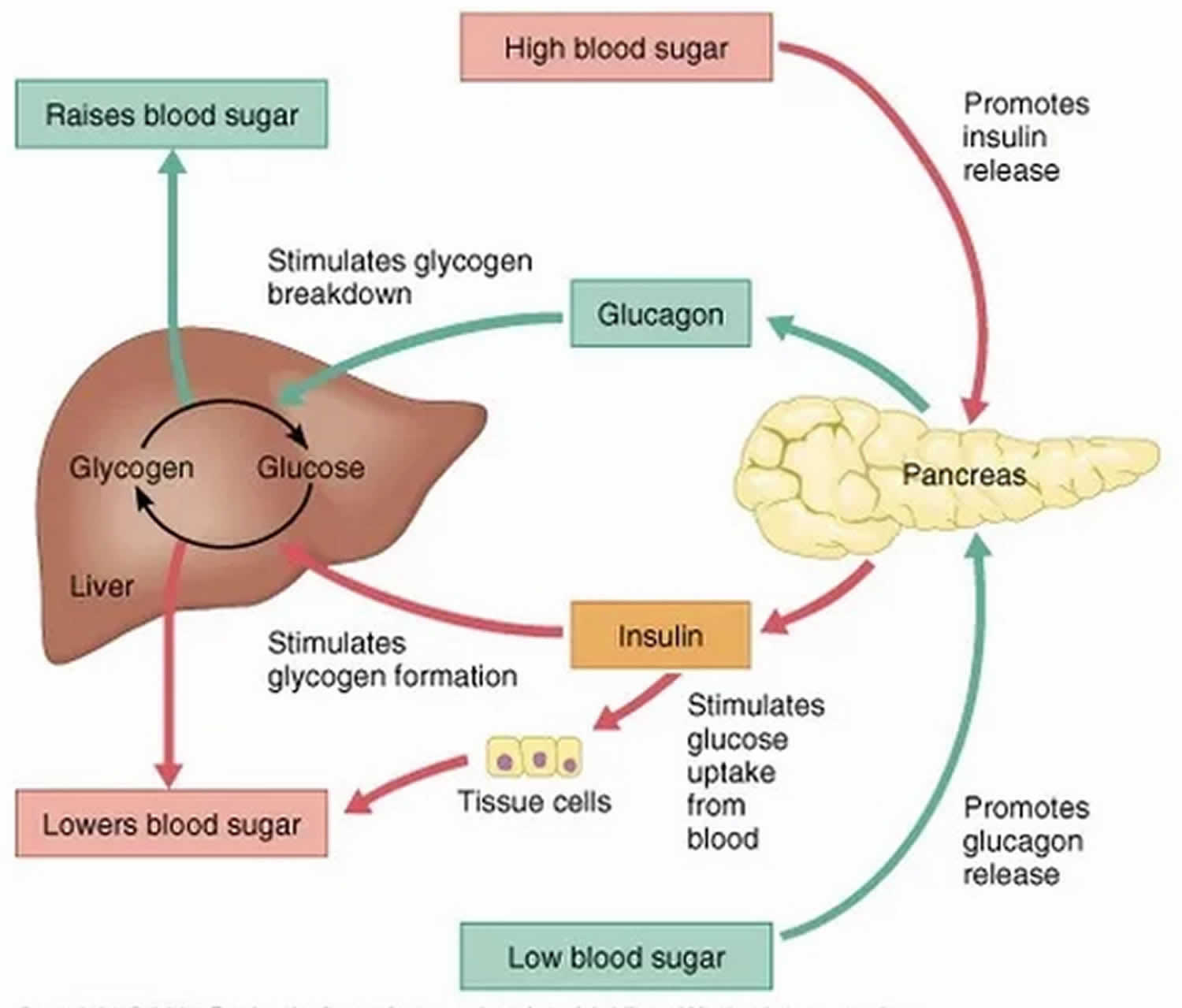
Before we fully immerse ourselves in the bay leaf’s metabolic potential, a brief primer on blood sugar regulation is essential. Glucose, a simple sugar, is the primary source of energy for our cells. It enters our bloodstream primarily after we digest carbohydrates from our food. The body’s exquisite control over blood glucose levels is a masterpiece of biochemical engineering, orchestrated primarily by the pancreas.


Post Comment