Durian Myths vs. Facts: Is the "King of Fruits" Actually Good for You?
The air hangs heavy, thick with an aroma that divides rooms, ignites passions, and sparks immediate, visceral reactions. For some, it’s a fragrant promise of exotic delight; for others, an olfactory assault demanding immediate evacuation. This is the enduring legacy of the durian, the undisputed "King of Fruits" across Southeast Asia. Its thorny exterior guards a creamy, custard-like flesh, a complex symphony of sweet, savory, bitter, and umami notes that defy easy description. Yet, beyond its polarizing scent and unique taste, the durian is shrouded in a dense fog of myths, folklore, and dire warnings. Is this enigmatic fruit a nutritional powerhouse or a perilous indulgence? Is its royal title a testament to its health benefits or merely its commanding presence?
For the knowledgeable palate and the curious mind, the story of durian is far more intricate than its reputation suggests. It’s a tale of ancient traditions meeting modern science, of cultural appreciation clashing with Western skepticism, and of a fruit that dares to challenge our preconceptions about what is "good" and "bad" for us. Let us embark on an in-depth journey to peel back the thorny layers and uncover the truth behind the durian, separating the delicious facts from the lingering fables.
The Allure and the Alarm: Why Durian Divides
Before delving into the specifics of its nutritional profile, it’s crucial to understand the foundation of durian’s controversial status. Its formidable appearance—a large, spiky, sometimes football-sized fruit—is just the beginning. The aroma, often likened to anything from rotting onions and gym socks to sweet custard and almonds, is the primary catalyst for its "love it or hate it" reputation. This very scent, a complex cocktail of over 50 volatile compounds, has led to its ban in many public spaces, hotels, and mass transit systems across Asia and beyond.
But beneath this aromatic drama lies a fruit deeply embedded in the cultural fabric of countries like Thailand, Malaysia, Indonesia, and the Philippines. It’s a seasonal delicacy, celebrated with festivals, commanding premium prices, and inspiring a culinary repertoire that extends far beyond eating it fresh. For many, it’s not just a fruit; it’s a culinary experience, a social event, and a symbol of abundance.
This intense cultural significance, combined with its unique sensory impact, has naturally fostered a rich tapestry of beliefs surrounding its consumption. And within this tapestry, myths have taken root, some harmless, others potentially misleading.
Myth vs. Fact: Unpacking Durian’s Health Profile
To truly understand if the King of Fruits lives up to its regal title in terms of health, we must systematically address the most prevalent myths that cling to its thorny rind.
Myth 1: Durian is Extremely High in Cholesterol and Will Clog Your Arteries.
This is perhaps one of the most persistent and misleading myths surrounding durian. Given its creamy texture and rich flavor, many people mistakenly associate it with high cholesterol content, similar to animal fats.
The Fact: Durian, like all plant-based foods, contains absolutely no cholesterol. Cholesterol is an animal product. What durian does contain are healthy fats, primarily monounsaturated and polyunsaturated fats. These are the "good" fats found in avocados, nuts, and olive oil, known for their potential to lower LDL ("bad") cholesterol levels and raise HDL ("good") cholesterol levels, thereby supporting cardiovascular health.
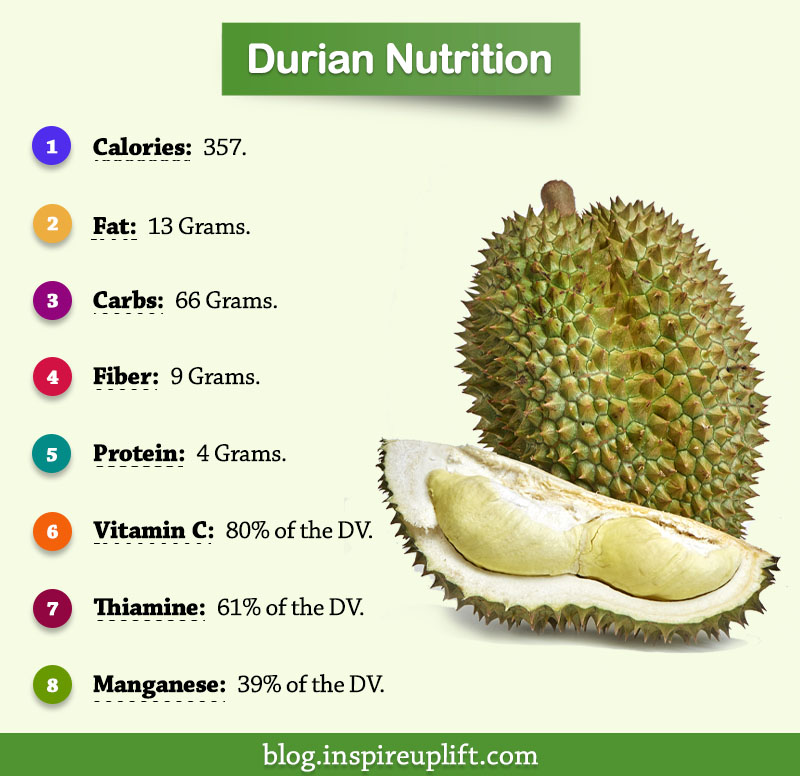
While durian is calorie-dense due to its fat content (around 147 calories per 100g, with about 5g of fat), these fats are predominantly beneficial. The concern shouldn’t be about cholesterol, but rather about the overall caloric intake if consumed in excessive quantities.
Myth 2: Durian is "Heatty" and Causes Internal Body Heat, Leading to Illness or Pimples.
In traditional Southeast Asian medicine, particularly Traditional Chinese Medicine (TCM) and Malay traditional medicine, foods are often categorized as "cooling" or "heating." Durian is almost universally classified as a "heating" food. This belief suggests that consuming durian can increase body temperature, leading to symptoms like sore throats, mouth ulcers, nosebleeds, skin eruptions (pimples), and general discomfort.
The Fact: From a Western scientific perspective, the concept of "heatiness" doesn’t have a direct equivalent. However, there are physiological explanations that might contribute to this perception:
- Metabolic Rate: Durian is rich in carbohydrates and fats. Digesting these macronutrients requires metabolic activity, which naturally generates a small amount of heat in the body (thermogenesis). This is a normal physiological process for any calorie-dense food.
- Sulfur Compounds: The unique volatile sulfur compounds that give durian its distinctive aroma are potent. Some individuals might experience a mild, temporary increase in perceived body temperature or a flush due to the body’s reaction to these compounds, especially if consumed in large amounts.
- Sugar Content: The high natural sugar content in durian can cause a rapid rise in blood sugar, which might also contribute to a fleeting sensation of warmth or energy.
- Dehydration (Indirect): If durian is consumed without adequate hydration, the rich, dense nature of the fruit might exacerbate feelings of "heatiness" simply by not balancing the body’s fluid levels.
While modern science doesn’t validate "heatiness" as a disease state, it acknowledges that individual sensitivities and metabolic responses vary. The cultural advice to balance durian consumption with "cooling" foods (like mangosteen, coconut water, or chrysanthemum tea) is a prudent practice for overall dietary balance, regardless of the scientific terminology.
Myth 3: Eating Durian and Drinking Alcohol Together is Deadly.
This is perhaps the most sensational and fear-inducing myth. Tales abound of individuals collapsing or even dying after combining durian with alcoholic beverages.
The Fact: While combining durian and alcohol is generally not recommended and can cause significant discomfort, it is not directly deadly in typical consumption scenarios. The scientific basis for this warning lies in durian’s high concentration of sulfur-containing compounds. Research has shown that some of these compounds, particularly diethyl disulfide and diethyl trisulfide, can inhibit the activity of aldehyde dehydrogenase (ALDH), an enzyme crucial for metabolizing alcohol in the liver.
When ALDH is inhibited, acetaldehyde—a toxic byproduct of alcohol metabolism—builds up in the body. This accumulation leads to symptoms similar to a severe hangover or disulfiram-like reaction (the drug Antabuse works on this principle), including:


Post Comment