The Science Behind Kiwi’s Power to Ease Bloating: A Journey into Gut Harmony
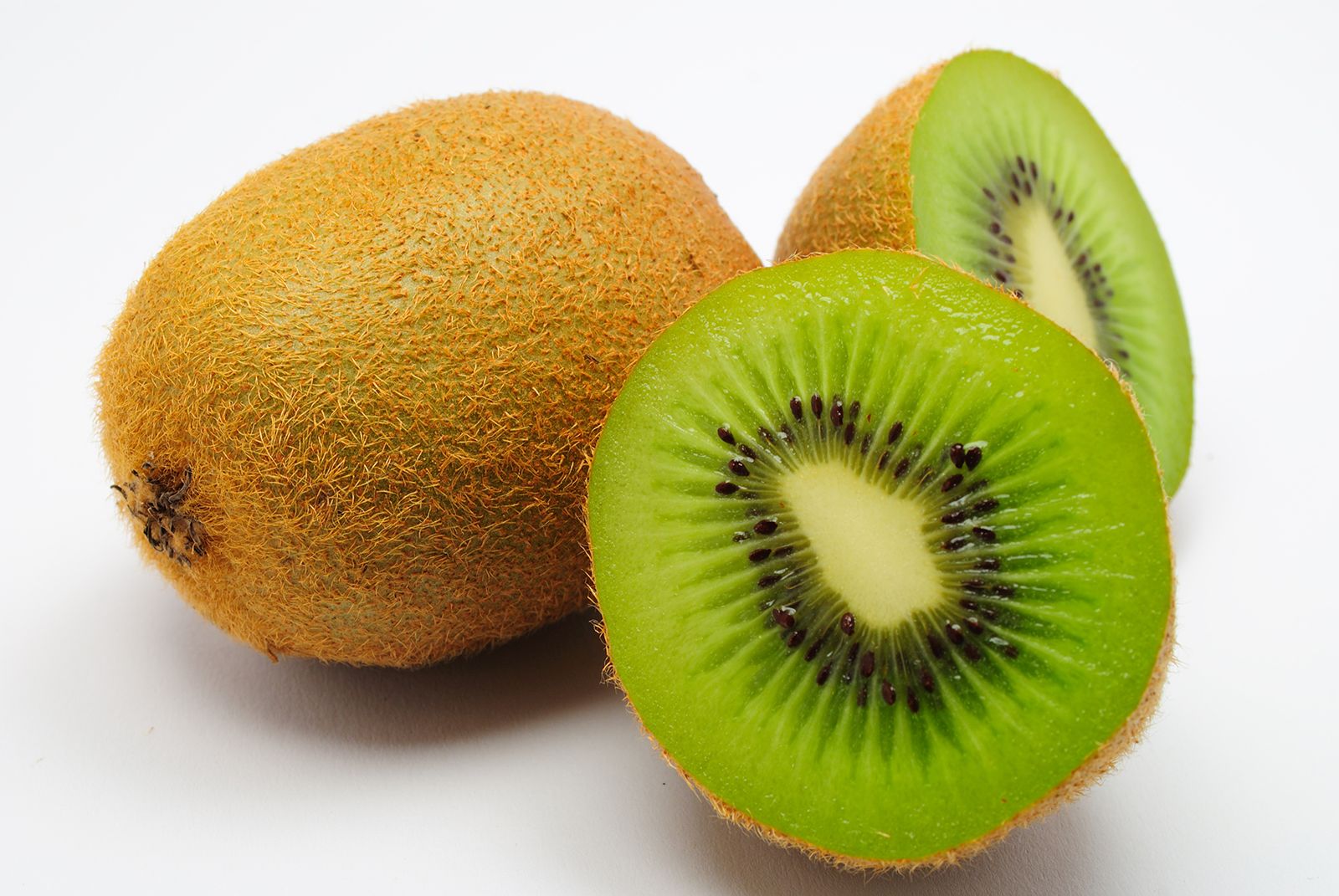
Bloating, that uncomfortable sensation of fullness, tightness, and often visible distension of the abdomen, is a universally recognized discomfort. It’s a silent thief of comfort, turning vibrant meals into regrettable experiences and tight clothes into instruments of torture. For many, it’s an occasional nuisance; for others, a persistent companion linked to conditions like Irritable Bowel Syndrome (IBS) or Small Intestinal Bacterial Overgrowth (SIBO). While the market is flooded with quick fixes and complex dietary protocols, a humble, fuzzy green fruit has quietly emerged as a scientifically supported, delicious, and remarkably effective ally against this common adversary: the kiwi.
This isn’t merely anecdotal evidence or a fleeting wellness trend. Beneath its unassuming exterior, the kiwi (specifically Actinidia deliciosa and its golden cousin, Actinidia chinensis) harbors a sophisticated arsenal of bioactive compounds, enzymes, and fibers that orchestrate a symphony of digestive relief. To truly appreciate its power, we must embark on a scientific journey, dissecting the complex mechanisms of bloating and then revealing how the kiwi, in its entirety, masterfully intervenes at multiple crucial points along the digestive pathway.
Understanding Bloating: A Common Yet Complex Adversary
Before we extol the virtues of kiwi, it’s essential to grasp the multifaceted nature of bloating itself. It’s not a disease but a symptom, often signaling an underlying imbalance or inefficiency in the gastrointestinal (GI) tract. The sensation of bloating is primarily caused by an accumulation of gas (hydrogen, methane, carbon dioxide, nitrogen, and hydrogen sulfide) in the stomach and intestines, or by the physical distension of the abdominal wall.
The Primary Culprits Behind Bloating:
- Dietary Factors: Certain foods are notorious for triggering bloating. High-FODMAP (Fermentable Oligosaccharides, Disaccharides, Monosaccharides, and Polyols) foods are a major contributor, as they are poorly absorbed in the small intestine and rapidly fermented by gut bacteria in the colon, producing gas. Examples include certain fruits, vegetables, legumes, dairy products, and artificial sweeteners. High-fat meals can also slow gastric emptying, leading to prolonged fullness. Carbonated beverages introduce external gas.
- Digestive Insufficiency:
- Poor Protein Digestion: When proteins aren’t fully broken down in the stomach and small intestine, they can reach the colon, becoming fodder for putrefactive bacteria, which generate foul-smelling gases.
- Enzyme Deficiencies: Lactose intolerance (lack of lactase) or insufficient pancreatic enzymes can lead to malabsorption and fermentation.
- Gut Microbiome Imbalance (Dysbiosis): The trillions of microorganisms residing in our gut play a pivotal role. An overgrowth of certain gas-producing bacteria (SIBO) or an imbalance in the types of bacteria (dysbiosis) can lead to excessive gas production, particularly from the fermentation of undigested carbohydrates.
- Constipation: Infrequent or difficult bowel movements are a leading cause of bloating. Stool remaining in the colon provides more time and substrate for bacterial fermentation, and its sheer bulk can physically distend the abdomen.
- Motility Disorders: Conditions like gastroparesis or generalized slow transit through the intestines can lead to food stagnation, increasing fermentation time and gas accumulation.
- Visceral Hypersensitivity: In some individuals, particularly those with IBS, the nerves in the gut are overly sensitive to normal amounts of gas or distension, causing heightened discomfort even without excessive gas.
- Fluid Retention: While distinct from gas-induced bloating, hormonal fluctuations (e.g., premenstrual syndrome) or high sodium intake can cause water retention, which can manifest as a bloated feeling.
- Swallowed Air (Aerophagia): Eating too quickly, talking while eating, chewing gum, or drinking through a straw can introduce excess air into the digestive tract.
The intricate interplay of these factors means that a truly effective solution often needs to address multiple pathways. This is precisely where the kiwi shines, offering a multi-pronged attack on the root causes of bloating.
The Kiwi: A Botanical Marvel and Nutritional Powerhouse
The kiwi, often mistakenly thought to be native to New Zealand, actually originated in the Yangtze River valley of China, where it was known as the "Chinese gooseberry." It was only in the early 20th century that it made its way to New Zealand, undergoing horticultural refinement and eventually being rebranded as "kiwifruit" in the 1950s, a nod to New Zealand’s national bird.
Beyond its fascinating history, the kiwi is a nutritional powerhouse. A single medium green kiwi (about 70 grams) boasts:
- High Vitamin C: Far exceeding oranges, crucial for immune function and antioxidant defense.
- Vitamin K: Important for blood clotting and bone health.
- Vitamin E: Another potent antioxidant.
- Folate: Essential for cell growth and DNA synthesis.
- Potassium: An electrolyte vital for fluid balance and blood pressure regulation.




Post Comment