The Crimson Elixir: How Beets Can Unlock a Sharper Mind and a More Vibrant Seniority
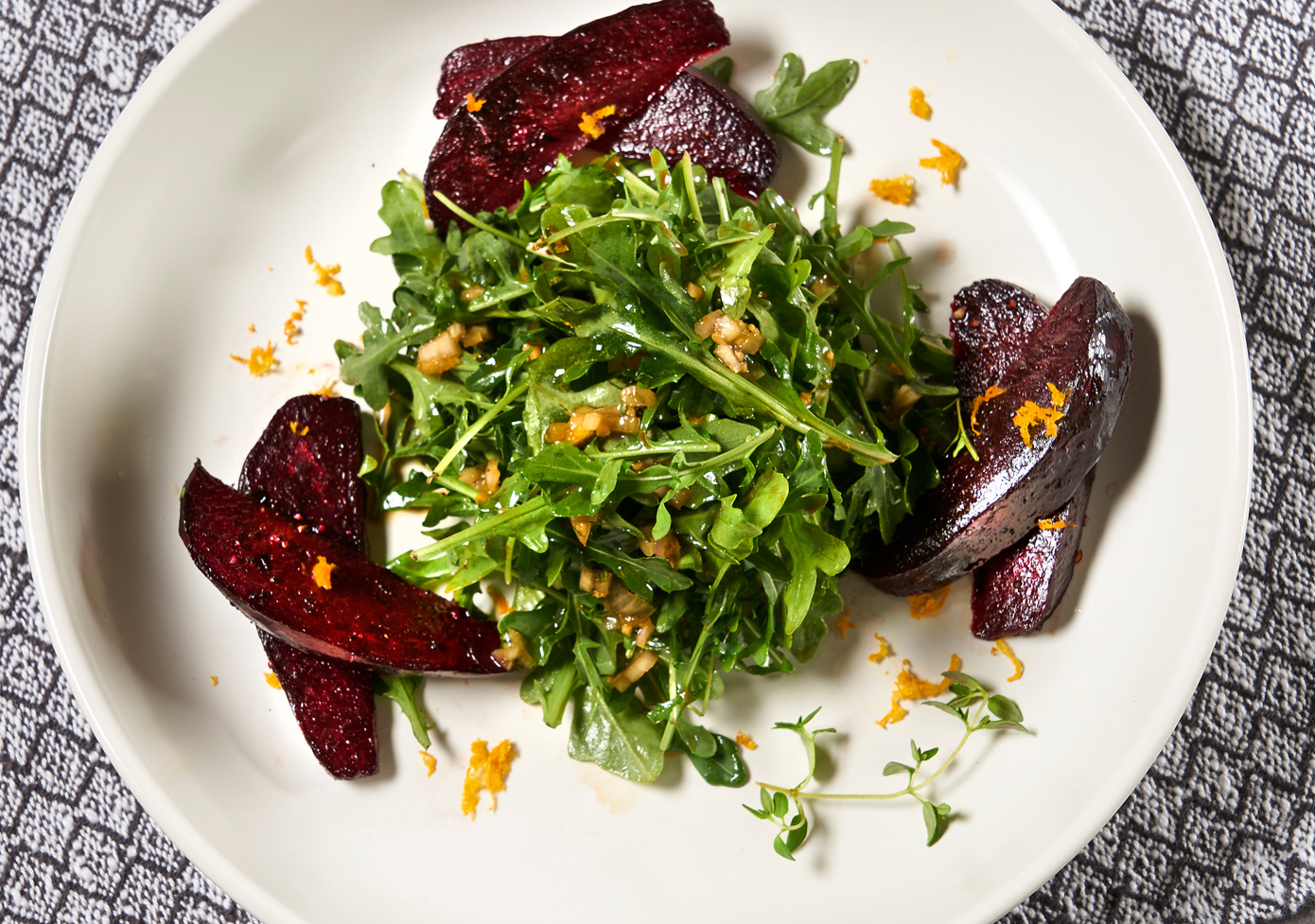
The relentless march of time is an undeniable truth, etching lines on our faces and imbuing our spirits with wisdom. Yet, for many, the prospect of aging is tinged with a silent dread: the fear of losing one’s cognitive edge. The sharp wit, the treasured memories, the ability to learn and adapt – these are the hallmarks of a life lived fully, and their potential dimming casts a long shadow. We aspire not just to longevity, but to vitality; not merely to exist, but to flourish with an enduring mental acuity that allows us to engage with the world, our loved ones, and our passions without hindrance.
The narrative of inevitable cognitive decline, however, is being challenged by a growing body of scientific evidence and a deeper understanding of the human brain’s remarkable plasticity. We are increasingly learning that while some aspects of cognitive function may naturally shift with age, severe decline is not a predetermined fate for everyone. Lifestyle choices, particularly dietary habits, play a profoundly significant role in shaping our brain’s resilience and capacity for graceful aging. And in this exciting paradigm shift, a humble, earthy root vegetable, often overlooked, is emerging as a silent architect of cognitive vitality: the beet.
Imagine a future where the golden years are truly golden, not just in leisure but in mental clarity. A future where remembering names comes effortlessly, where complex tasks are still approached with confidence, and where the joy of learning new skills remains undimmed. This isn’t a utopian fantasy; it’s a vision increasingly within reach, and beets, with their vibrant crimson hue and potent nutritional profile, are proving to be a surprisingly powerful ally in this quest. This article will delve deep into the science behind beets’ cognitive-boosting prowess, explore the practical ways to integrate them into your daily life, and ultimately, tell the story of how embracing this crimson elixir, one salad at a time, can pave the way for a sharper mind and a more vibrant, gracefully aged existence.
The Silent Epidemic: Understanding Cognitive Decline and the Quest for Resilience
Before we celebrate our crimson hero, it’s vital to understand the landscape of cognitive aging. As we age, many individuals experience subtle changes in cognitive function. This might manifest as taking longer to recall a name, misplacing keys more frequently, or needing a bit more time to process new information. These are often considered normal age-related changes. However, for a significant portion of the population, these subtle shifts can progress into more concerning conditions like Mild Cognitive Impairment (MCI), and for some, into debilitating neurodegenerative diseases such as Alzheimer’s or other forms of dementia.
The impact of cognitive decline extends far beyond the individual. It strains families, healthcare systems, and diminishes the overall quality of life. The search for interventions – pharmaceutical, lifestyle, and dietary – that can prevent, slow, or even reverse this decline is one of the most pressing challenges in modern medicine and public health. This urgency has fueled an explosion of research into the intricate mechanisms of brain health, leading us to understand that our brains are not static organs but dynamic, adaptable networks constantly responding to our environment, our activities, and critically, our nutrition.
For decades, the focus was primarily on genetics as the unyielding determinant of our cognitive destiny. While genetics certainly play a role, epigenetics – the study of how environmental factors can turn genes on or off – has revealed a far more empowering truth: our lifestyle choices hold immense power. Diet, exercise, sleep, stress management, social engagement, and continuous learning are not just supplementary; they are foundational pillars upon which a resilient, cognitively robust brain is built. And within the dietary pillar, certain foods stand out for their specific neuroprotective and neuro-enhancing properties. This is where the beet steps onto the stage, not as a miracle cure, but as a scientifically validated, accessible, and delicious tool in our proactive aging arsenal.
Unveiling the Beet’s Brain-Boosting Arsenal: The Science Behind the Crimson Power
What is it about this humble root that commands such attention in the realm of brain health? The beet’s power lies in a synergistic blend of unique compounds, each playing a crucial role in supporting optimal cognitive function.
The Nitric Oxide Pathway: A Superhighway for Your Brain
The undisputed star of the beet’s cognitive show is its remarkably high concentration of dietary nitrates. Now, the word "nitrate" might conjure images of processed meats and preservatives, but dietary nitrates found naturally in vegetables like beets, leafy greens, and celery are entirely different and incredibly beneficial.
Here’s how the magic happens:
- Ingestion: When you consume beets, the nitrates are absorbed into your bloodstream.
- Salivary Conversion: As you chew and swallow, bacteria in your mouth convert some of these nitrates into nitrites. This step is crucial; bypassing it (e.g., using antiseptic mouthwash) can hinder the process.
- Acidic Transformation: In the acidic environment of your stomach, nitrites are further converted into nitric oxide (NO).
- Circulation and Vasodilation: Nitric oxide is a potent vasodilator. This means it helps relax and widen blood vessels throughout your body, including those supplying your brain.
Why is this important for your brain?
- Enhanced Cerebral Blood Flow: Your brain, though only about 2% of your body weight, consumes roughly 20% of your body’s oxygen and calories. It’s an incredibly energy-intensive organ, and it demands a constant, robust supply of oxygen and nutrients. By widening blood vessels, nitric oxide ensures a more efficient and abundant delivery of these vital resources to brain regions that need them most.
- Targeted Blood Flow: Research suggests that nitric oxide-mediated vasodilation particularly benefits areas of the brain involved in executive functions – processes like decision-making, problem-solving, planning, and working memory. These are precisely the cognitive functions that tend to be most vulnerable to age-related decline.
- Improved Oxygenation and Glucose Uptake: With better blood flow comes improved oxygenation and more efficient glucose uptake by brain cells. This translates to better cellular energy production, which is fundamental for neuronal communication and overall brain performance.
- Neurotransmitter Regulation: Nitric oxide also plays a role in modulating neurotransmitter activity, further supporting neuronal communication and synaptic plasticity – the brain’s ability to reorganize and form new connections.
The impact of this nitric oxide pathway is not theoretical. Studies have shown that consuming beet juice or other nitrate-rich foods can lead to measurable increases in cerebral blood flow and improvements in cognitive tasks, particularly in older adults. It’s like upgrading the brain’s internal delivery system, ensuring that every neuron gets the fuel it needs to fire optimally.
Betalains: The Antioxidant and Anti-Inflammatory Powerhouses
Beyond nitrates, beets are a rich source of betalains, the pigments responsible for their distinctive deep red, purple, and yellow colors. These powerful phytochemicals are not just for show; they are formidable allies in the fight against cellular damage and inflammation – two key drivers of cognitive decline.



Post Comment