The Mineral Water Guide: Everything You Need to Know for Peak Hydration
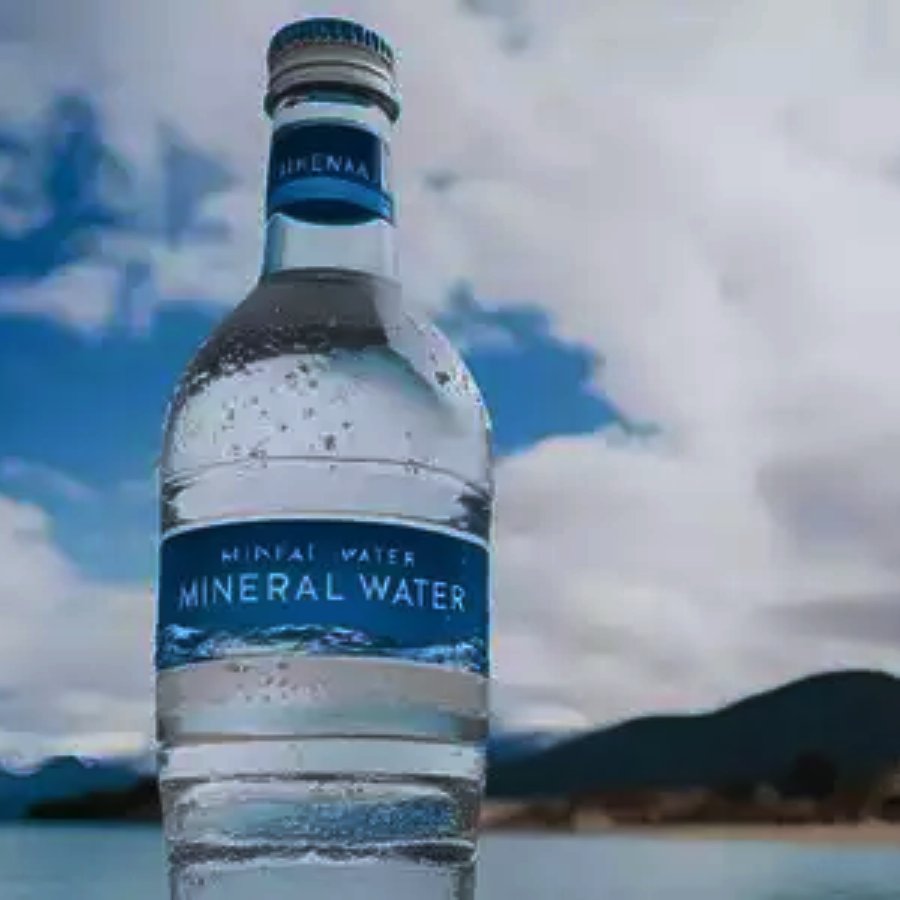
Water. It is the very essence of life, a silent, ubiquitous force shaping our planet and sustaining every living cell within us. We drink it, bathe in it, cook with it, and rely on it for countless biological functions. Yet, in our modern world, where tap water is readily available and filtered options abound, we often overlook the profound diversity and potential of this most fundamental of substances. What if the very water we drink holds secrets, a hidden tapestry of elements capable of elevating our hydration from mere survival to a state of peak vitality?
Welcome to the world of mineral water – not just H2O, but a liquid gem, an elixir imbued with the earth’s natural pharmacies. This isn’t just a drink; it’s a story, a journey from ancient geological formations to your very cells, a tale of time, pressure, and the delicate dance of minerals that can profoundly impact your health and well-being. For the discerning individual, the knowledgeable seeker of optimal living, understanding mineral water isn’t a luxury; it’s an essential step towards truly unlocking the potential of peak hydration.
The Origin Story: More Than Just Rain
To truly appreciate mineral water, we must first understand its genesis. This isn’t water produced in a factory or filtered through an industrial process. Mineral water begins its life as precipitation – rain, snow, or sleet – falling onto the earth’s surface. From there, its journey begins, a slow, meticulous infiltration through layers of rock, soil, and sediment.
This subterranean odyssey is where the magic happens. As the water percolates through geological strata, it acts as a solvent, dissolving and absorbing a unique cocktail of minerals, trace elements, and salts from the surrounding rock. The specific composition of these rocks – whether they are ancient volcanic basalt, vast limestone deposits, or granite formations – dictates the mineral profile the water will acquire. The depth of the aquifer, the pressure it endures, and the length of time it spends underground all contribute to its distinctive "fingerprint."
Unlike tap water, which is often treated with chemicals like chlorine and fluoride and then stripped of many natural minerals, or purified water, which undergoes rigorous filtration to remove everything (including beneficial minerals), mineral water arrives at its source pristine and naturally enriched. It is bottled directly from protected underground sources, ensuring its purity and consistent mineral composition. This undisturbed journey, free from external contaminants and human intervention, is what sets mineral water apart.
Defining the Elixir: What Makes Water "Mineral"?
The term "mineral water" isn’t just a marketing buzzword; it carries legal and scientific weight. While definitions can vary slightly by region (e.g., FDA in the US vs. EU regulations), the core criteria remain consistent:
- Underground Source: It must originate from a geologically and physically protected underground water source.
- Natural Purity: It must be safe to drink at the source without treatment. No disinfection (chlorination), no artificial filtration to change its basic composition.
- Consistent Mineral Content: It must possess a stable and characteristic content of minerals, trace elements, or other constituents. This mineral profile should be consistent over time, reflecting its unique geological origin.
- Minimum TDS (Total Dissolved Solids): While not universally legislated, a common benchmark for true mineral water is a Total Dissolved Solids (TDS) content of at least 250 parts per million (ppm) or milligrams per liter (mg/L). TDS measures the concentration of inorganic salts and organic matter dissolved in water. The higher the TDS, generally the more "mineralized" the water.
- Bottled at the Source: To preserve its integrity, it must be bottled directly at the source.
Distinguishing Mineral Water from its Cousins:
- Tap Water: Treated municipal water, often stripped of natural minerals and supplemented with others.
- Purified Water: Water that has been processed to remove almost all impurities, including minerals (e.g., distilled, reverse osmosis). It’s essentially "blank slate" water.
- Spring Water: Also from an underground source, but it must flow naturally to the earth’s surface. While it contains naturally occurring minerals, its mineral content isn’t necessarily consistent or high enough to qualify as "mineral water" by legal definitions.
- Artesian Water: Water from a well that taps into a confined aquifer where the water flows naturally to the surface due to pressure. Similar to spring water in that it’s naturally sourced, but not necessarily "mineral water" unless it meets the TDS and consistency criteria.
The Symphony of Elements: A Deep Dive into Key Minerals
The true power of mineral water lies in its unique blend of naturally occurring minerals, each playing a vital role in our bodily functions. These aren’t just arbitrary elements; they are the building blocks and catalysts for myriad biological processes.
1. Calcium (Ca²⁺): The Architect of Strength
- Role: Beyond strong bones and teeth, calcium is crucial for nerve transmission, muscle function (including heart muscle), blood clotting, and hormone secretion.
- Benefits in Water: Highly bioavailable, meaning your body can easily absorb it. Contributes to bone density, helps prevent osteoporosis, and supports cardiovascular health. Waters rich in calcium often have a slightly harder, more robust taste.




Post Comment