Magnesium and Calcium: Why Your Water Might Be As Important As Your Diet
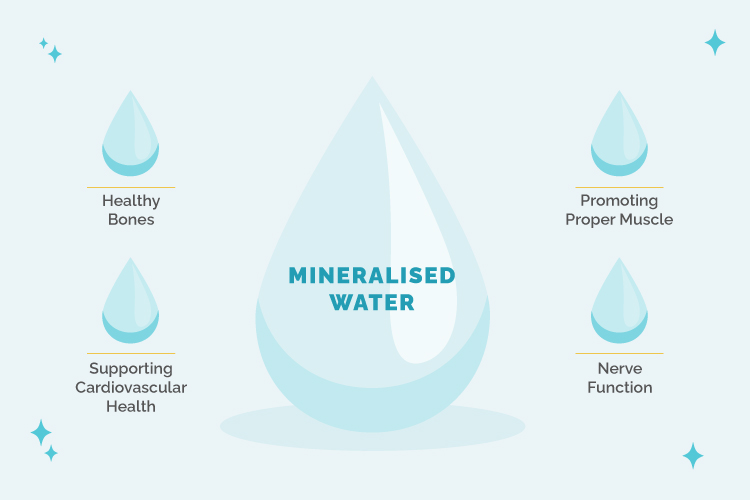
In the grand tapestry of human health, where diet, exercise, and genetics are often considered the primary threads, there exists a silently potent, often overlooked, weaver: water. Not just any water, but the very composition of the liquid we consume daily, imbued with the earth’s ancient wisdom in the form of dissolved minerals. For centuries, humanity has instinctively gravitated towards specific springs and wells, attributing healing powers to their unique tastes and properties. Only recently, through the lens of modern science, are we beginning to understand the profound truth behind these ancient intuitions, particularly concerning the essential roles of magnesium and calcium delivered directly from our drinking water.
This is not merely a scientific treatise; it is a story. It’s the story of humanity’s evolving relationship with its most fundamental resource, a narrative that takes us from the pristine mountain springs of our ancestors to the highly processed, often demineralized, beverages of today. It’s a story of a hidden epidemic of mineral deficiency, subtly undermining our health, and the unexpected hero that might be residing, often forgotten, in our very tap.
The Unsung Heroes: Magnesium and Calcium – A Primer
Before we delve into the aquatic narrative, it’s crucial to understand why magnesium and calcium are not just beneficial, but absolutely indispensable. They are the twin pillars of our physiological architecture, performing roles far beyond what most commonly associate with them.
Magnesium: The Master Mineral
Imagine a symphony orchestra where the conductor is absent. That, in essence, is what happens in the body without adequate magnesium. Often dubbed the "master mineral," magnesium is a cofactor in over 300 enzymatic reactions, meaning it’s essential for these reactions to occur. Its influence permeates nearly every system in the body:
- Energy Production: Magnesium is central to the creation of ATP (adenosine triphosphate), the primary energy currency of our cells. Without it, our bodies struggle to produce energy efficiently, leading to fatigue, sluggishness, and a general lack of vitality.
- Muscle and Nerve Function: It plays a critical role in nerve impulse transmission and muscle contraction and relaxation. It acts as a natural calcium channel blocker, helping muscles relax after contraction. A deficiency can manifest as muscle cramps, spasms, restless legs syndrome, and even tremors.
- Bone Health: While calcium gets all the credit, magnesium is equally vital for bone formation. It influences bone crystal formation, helps regulate calcium and vitamin D levels, and is necessary for parathyroid hormone function, which controls calcium metabolism.
- Heart Health: Magnesium supports a healthy heart rhythm, regulates blood pressure, and contributes to the elasticity of blood vessels. Its deficiency has been linked to increased risk of hypertension, arrhythmias, and cardiovascular disease.
- Mental Health and Stress: Magnesium is known as nature’s tranquilizer. It helps regulate neurotransmitters that send messages to the brain and body, promoting calmness and reducing anxiety. It also plays a role in regulating the body’s stress response system. Chronic stress, in turn, depletes magnesium, creating a vicious cycle.
- Blood Sugar Regulation: It influences insulin sensitivity and glucose metabolism. Studies have shown a link between low magnesium levels and an increased risk of type 2 diabetes.
The insidious nature of magnesium deficiency is that its symptoms are often vague and widespread, easily misattributed to other conditions or simply "getting older." Fatigue, irritability, poor sleep, headaches, anxiety, constipation, and muscle issues are all potential red flags.
Calcium: The Builder and Regulator
Calcium’s reputation as the bone-building mineral is well-deserved, forming the very framework of our skeletal system. However, its importance extends far beyond strong bones and teeth:
- Nerve Transmission: Calcium is crucial for nerve cells to communicate effectively, enabling thought, movement, and sensation.
- Muscle Function: Like magnesium, calcium is involved in muscle contraction. In fact, calcium causes muscle contraction, while magnesium relaxes them – a dynamic duo we will revisit.
- Blood Clotting: It’s an essential factor in the complex cascade that leads to blood clotting, preventing excessive bleeding.
- Hormone Secretion: Many hormones require calcium for their proper release and function.
While calcium deficiency is widely recognized (osteoporosis being the most prominent outcome), the modern diet often overemphasizes calcium intake, sometimes to the detriment of other minerals, especially magnesium. An excess of calcium without sufficient magnesium can lead to calcification of soft tissues, kidney stones, and even cardiovascular issues, highlighting the critical importance of balance.
The Hidden History in Your Glass: Water as a Mineral Delivery System
For millennia, human beings drank directly from rivers, lakes, and springs. The mineral content of this water varied wildly depending on the local geology, and our bodies adapted. Civilizations flourished near mineral-rich water sources, and the concept of "healing waters" or "spa towns" is deeply embedded in cultural history, from Roman baths to traditional European health resorts. These places were revered not just for cleanliness or relaxation, but for the inherent therapeutic properties of their water, properties intrinsically linked to its mineral composition.
The Geological Journey of Water
Water is a solvent. As rain falls and percolates through soil and rock, it dissolves minute quantities of minerals from the earth’s crust. This is how water becomes "hard" or "soft."




Post Comment