The Silent Ember: How Antioxidants Are Rewriting the Story of Chronic Pain
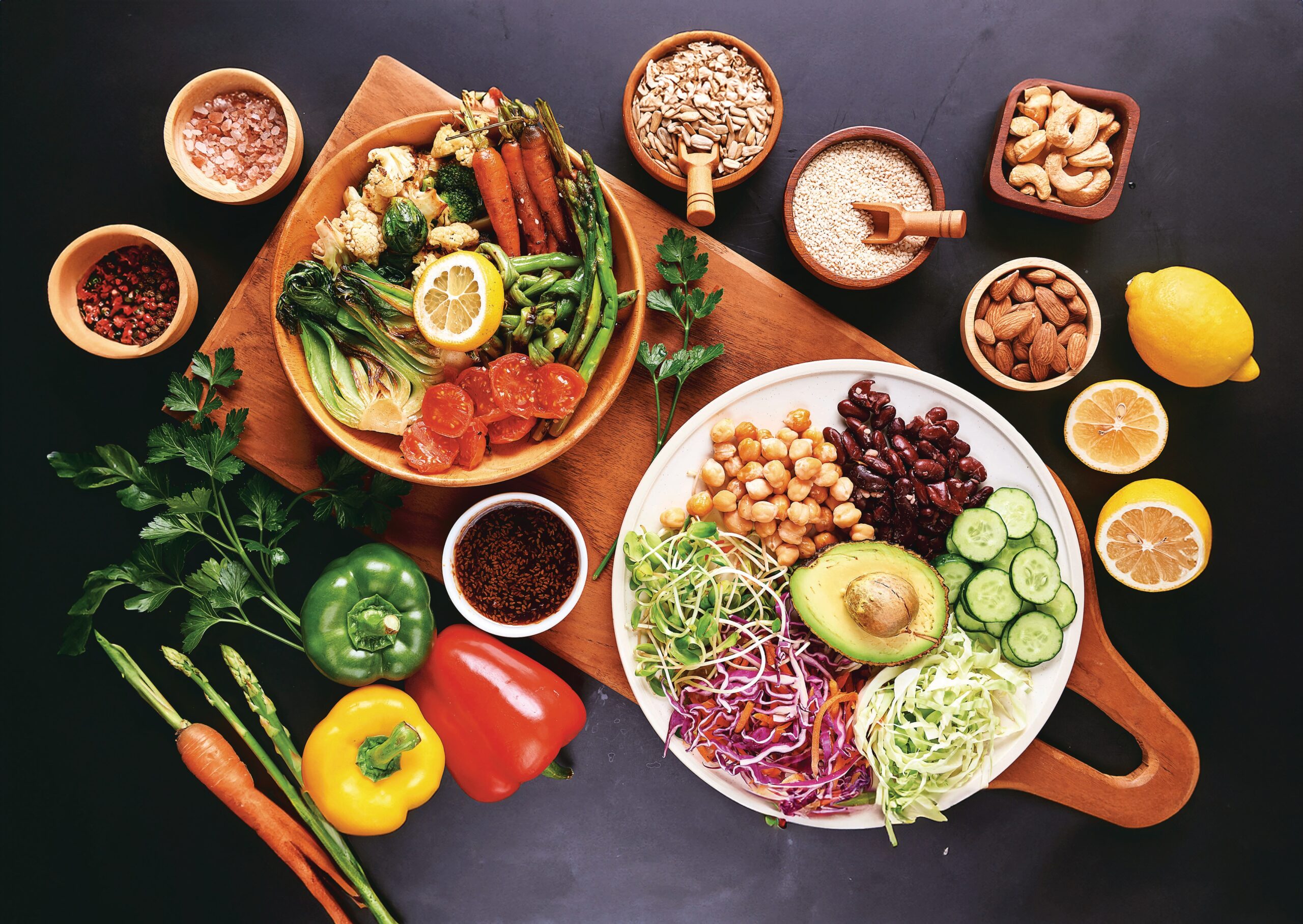
For too long, chronic pain has been a solitary journey, a relentless antagonist in countless untold stories. It’s a whispered secret in doctor’s offices, a heavy shroud over daily life, affecting hundreds of millions globally. Unlike the sharp, protective stab of acute pain, its chronic counterpart is a persistent, often debilitating presence, a testament to a physiological system gone awry. And at the heart of this enduring narrative, often overlooked yet profoundly influential, lies a silent ember: chronic inflammation.
This is not the inflammation that rushes to mend a wound or fend off an acute infection – that vital, protective response. This is a low-grade, persistent systemic smolder, an insidious tango between cellular stress and immune overactivity that erodes health, vitality, and ultimately, quality of life. For the knowledgeable reader, the link between chronic inflammation and chronic pain is no longer a fringe theory but a well-established, albeit complex, scientific reality. And within this complex interplay, a protagonist emerges: antioxidants, offering a compelling intervention that promises to rewrite the story of chronic pain, not just manage its symptoms.
The Unseen Enemy: The Vicious Cycle of Oxidative Stress and Inflammation
To truly appreciate the role of antioxidants, we must first understand the fundamental antagonists: oxidative stress and chronic inflammation. Imagine the body as a meticulously balanced ecosystem. Within this ecosystem, metabolic processes constantly generate byproducts, some of which are highly reactive molecules known as free radicals or Reactive Oxygen Species (ROS) and Reactive Nitrogen Species (RNS). These include superoxide anions, hydroxyl radicals, and nitric oxide. In controlled amounts, they play crucial roles in cell signaling, immune defense, and maintaining cellular homeostasis. They are the body’s internal messengers, sometimes even its defenders.
However, when their production overwhelms the body’s intrinsic defense mechanisms, the ecosystem falls into disarray. This imbalance is oxidative stress. Free radicals, with their unpaired electrons, relentlessly seek stability by "stealing" electrons from other molecules, initiating a chain reaction of damage to proteins, lipids, and even DNA. This cellular assault is not a quiet affair; it triggers alarm bells throughout the body.
One of the loudest alarm bells is the activation of pro-inflammatory pathways. Oxidative stress is a potent inducer of key transcription factors like Nuclear Factor-kappa B (NF-κB), a master regulator of immune responses. When NF-κB is activated, it orchestrates the production of a cascade of pro-inflammatory cytokines – the chemical messengers of inflammation – such as Tumor Necrosis Factor-alpha (TNF-α), Interleukin-1 beta (IL-1β), and Interleukin-6 (IL-6). These cytokines, while essential for acute defense, become detrimental when chronically elevated.
The relationship between oxidative stress and inflammation is, in essence, a vicious cycle. Oxidative stress fuels inflammation, and inflammation, in turn, generates more free radicals through the activity of immune cells like neutrophils and macrophages, which produce ROS as part of their antimicrobial arsenal. This self-perpetuating loop creates a persistent state of cellular distress that is a hallmark of many chronic diseases, including neurodegenerative disorders, cardiovascular disease, metabolic syndrome, and, crucially, chronic pain conditions.
Consider neuropathic pain, for instance. Nerve damage itself can lead to localized oxidative stress, which then activates glial cells (the immune cells of the nervous system). These activated glial cells release pro-inflammatory cytokines and more ROS, sensitizing nociceptors (pain receptors) and perpetuating pain signals. Similarly, in osteoarthritis, chronic oxidative stress in chondrocytes (cartilage cells) contributes to cartilage degradation and synovial inflammation, leading to persistent joint pain. Even conditions like fibromyalgia, often considered idiopathic, are increasingly being linked to systemic oxidative stress and neuroinflammation.
The Guardians of Equilibrium: Unveiling the Antioxidant Arsenal
Against this backdrop of cellular turmoil, antioxidants emerge as the guardians of equilibrium. These molecules possess the remarkable ability to neutralize free radicals by donating an electron, effectively stabilizing them without becoming reactive themselves. They are the body’s natural defense system, working tirelessly to prevent and repair cellular damage.
Our bodies possess an intricate endogenous antioxidant system, a sophisticated internal defense network. This includes powerful enzymes like Superoxide Dismutase (SOD), Catalase (CAT), and Glutathione Peroxidase (GPx), which convert harmful free radicals into less damaging molecules. Glutathione (GSH), often dubbed the "master antioxidant," is a tripeptide critical for detoxification and maintaining redox balance. However, in the face of persistent oxidative stress and chronic inflammation, this endogenous system can become overwhelmed, its capacity diminished.
This is where exogenous antioxidants, those we obtain from our diet or supplementation, step in to bolster our defenses. These can be broadly categorized into several classes, each with unique properties and mechanisms of action:
-
Vitamins with Antioxidant Properties:
- Vitamin C (Ascorbic Acid): A potent water-soluble antioxidant, Vitamin C directly scavenges various ROS, regenerates other antioxidants like Vitamin E, and is crucial for immune function. It also plays a role in collagen synthesis, vital for tissue repair.
- Vitamin E (Tocopherols and Tocotrienols): A fat-soluble antioxidant, Vitamin E protects cell membranes from lipid peroxidation, a particularly damaging form of oxidative stress. Different forms of Vitamin E have varying potencies and distributions in the body.
- Vitamin A (Beta-carotene and other Carotenoids): Precursors to Vitamin A, carotenoids like beta-carotene, lycopene, and lutein are powerful quenchers of singlet oxygen and other free radicals. They are particularly important for eye health and skin protection.
-
Polyphenols: This vast and diverse group of plant compounds is perhaps the most celebrated class of dietary antioxidants. They are found abundantly in fruits, vegetables, tea, coffee, wine, and spices.
- Flavonoids: (e.g., quercetin from onions and apples, catechins from green tea, anthocyanins from berries, hesperidin from citrus). Flavonoids exhibit a wide range of biological activities, including direct radical scavenging, modulation of enzyme activity (e.g., COX-2, iNOS), and inhibition of NF-κB activation, thereby dampening pro-inflammatory cytokine production.
- Phenolic Acids: (e.g., caffeic acid, ferulic acid from coffee, grains, and fruits). These also exhibit significant antioxidant and anti-inflammatory effects.
- Stilbenes: (e.g., resveratrol from grapes and red wine). Resveratrol is renowned for its ability to activate sirtuins, a family of proteins involved in cellular health and longevity, and to modulate inflammatory pathways.
- Curcuminoids: (e.g., curcumin from turmeric). Curcumin is a potent anti-inflammatory agent, acting on multiple molecular targets, including NF-κB, COX-2, and various cytokines. Its efficacy in reducing pain and inflammation in conditions like arthritis is well-documented, though its bioavailability often requires specific formulations.


Post Comment