Detox, Simplified: The Role of Chlorophyll in Premium Matcha Powder
In a world increasingly saturated with environmental pollutants, processed foods, and the relentless pace of modern life, the concept of "detoxification" has moved from fringe health trend to a vital aspect of holistic well-being. Yet, the term itself is often shrouded in hyperbole, marketing gimmicks, and unrealistic promises. True detoxification, however, is not about fleeting cleanses or deprivation; it is an intricate, continuous physiological process that our bodies perform naturally, day in and day out. The true pursuit of simplified detoxification lies in understanding and optimally supporting these inherent mechanisms.
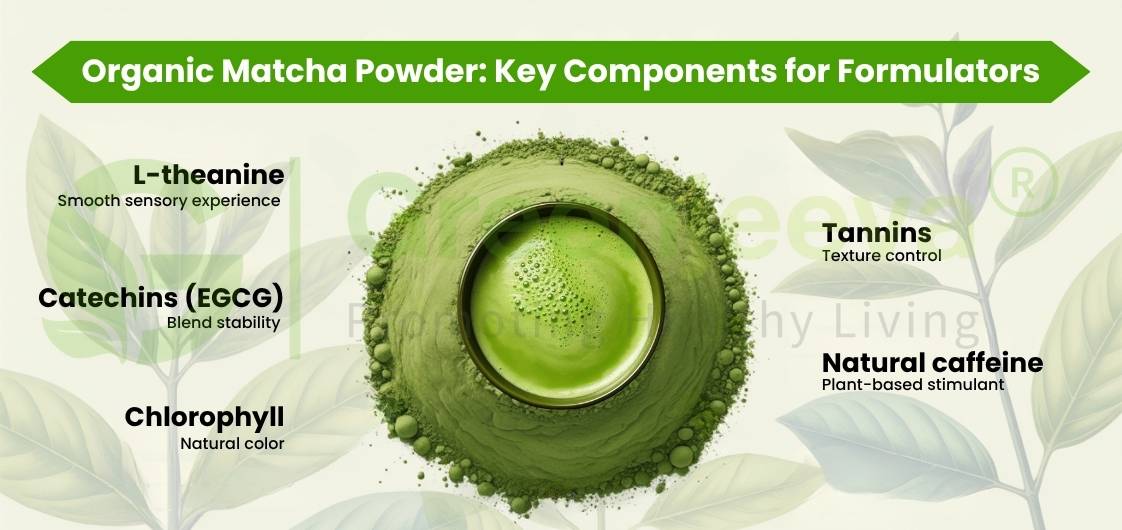
Enter premium matcha powder – a vibrant green elixir with a heritage steeped in Japanese tradition and a growing reputation as a powerhouse of health benefits. While its rich concentration of antioxidants like EGCG, its calming L-theanine, and its unique cultural ritual are often lauded, there’s a silent sentinel within its emerald depths that plays a profoundly underrated role in detoxification: chlorophyll. This article aims to tell the story of chlorophyll within the context of premium matcha, demystifying its mechanisms and illuminating its pivotal contribution to a truly simplified and sustainable approach to detox.
The Modern Dilemma: Navigating the Toxic Tapestry
Before we delve into the emerald heart of matcha, it’s crucial to understand the landscape against which our detoxification systems operate. Our bodies are constantly exposed to a multifaceted array of toxins, broadly categorized into two types:
- Exogenous Toxins (External): These are substances originating from outside the body. This includes air pollution (particulates, heavy metals), pesticides and herbicides in food, industrial chemicals, plastics (BPA, phthalates), pharmaceutical residues, heavy metals (lead, mercury, cadmium), and even mycotoxins from molds.
- Endogenous Toxins (Internal): These are metabolic byproducts generated within the body during normal physiological processes. Examples include ammonia from protein metabolism, lactic acid from muscle activity, free radicals generated by cellular respiration, and excess hormones.
While our bodies possess sophisticated detoxification pathways – primarily centered in the liver, kidneys, digestive tract, lungs, and skin – the sheer volume and diversity of modern toxins can overwhelm these systems, leading to what is often termed "toxic burden." This burden can manifest in various ways, from chronic fatigue and digestive issues to skin problems, hormonal imbalances, and a heightened risk of chronic diseases.
The goal of "detoxification," then, is not to eliminate all toxins (an impossible feat), but rather to optimize the body’s natural capacity to neutralize, transform, and excrete harmful substances efficiently. This is where strategic dietary choices and lifestyle interventions become paramount. And few natural compounds offer as elegant and multifaceted support as chlorophyll, particularly when delivered in the unique matrix of premium matcha.
Chlorophyll: The Green Blood of Life – A Structural Masterpiece
To truly appreciate chlorophyll’s role, we must first understand its essence. Chlorophyll, derived from the Greek words "chloros" (green) and "phyllon" (leaf), is the primary pigment responsible for the green color of plants and algae. But its significance extends far beyond aesthetics; it is the molecule that orchestrates photosynthesis, the fundamental process by which plants convert light energy into chemical energy, sustaining virtually all life on Earth.
Structurally, chlorophyll is a fascinating marvel. It belongs to a class of compounds called porphyrins, characterized by a large ring structure with a metal ion at its center. In the case of chlorophyll, this central ion is magnesium. This detail is crucial because of its striking resemblance to the heme molecule in human blood, which also features a porphyrin ring, but with an iron ion at its core. This structural similarity has earned chlorophyll the moniker "plant blood," hinting at its potential for biological activity in the human body.
There are several types of chlorophyll (a, b, c, d, f), with chlorophyll a and b being the most abundant in green plants. The specific forms and their concentrations contribute to the varying shades of green we observe in nature.
Why Premium Matcha is a Chlorophyll Champion
Not all green plant sources are created equal when it comes to chlorophyll content and bioavailability. This is where premium matcha distinguishes itself. Matcha is a unique form of powdered green tea derived from the Camellia sinensis plant, cultivated with a deliberate and traditional shading process.
For the last 20-30 days before harvest, matcha tea bushes are covered, shielding them from direct sunlight. This ingenious agricultural technique triggers a cascade of physiological responses in the tea plant:
- Increased Chlorophyll Production: In an attempt to maximize light absorption under shaded conditions, the tea leaves dramatically ramp up their production of chlorophyll. This is why premium matcha boasts its characteristic vibrant, almost neon, green color – a direct visual cue to its high chlorophyll content. Lower grade matchas or standard green teas, which are not shaded or shaded for shorter periods, will appear duller and contain less chlorophyll.
- Enhanced Amino Acid Synthesis: Shading also boosts the production of amino acids, particularly L-theanine. L-theanine is responsible for matcha’s unique umami flavor profile and its renowned ability to induce a state of calm alertness, mitigating the jittery effects often associated with caffeine.
- Accumulation of Antioxidants: While EGCG (epigallocatechin gallate) is abundant in all green tea, the shading process, combined with the fact that you consume the entire tea leaf in matcha, ensures a higher concentration of these potent catechins compared to steeped green tea.
When you consume premium matcha, you are ingesting the whole, finely ground tea leaf. This means you are not just getting the water-soluble compounds, but also the insoluble components, including a substantial amount of chlorophyll that would otherwise be discarded in steeped tea. This holistic consumption method maximizes the intake of all beneficial compounds, creating a synergistic matrix that amplifies their individual effects. The "premium" aspect is critical here, as it implies careful cultivation, minimal processing, and often organic certification, ensuring a pure product free from pesticides and heavy metals that would contradict any detox efforts.
Chlorophyll’s Multifaceted Contributions to Detoxification: The Story Unfolds
Now, let’s explore the specific mechanisms through which chlorophyll, particularly in its concentrated matcha form, supports the body’s detoxification pathways. This is where the story of "plant blood" truly intertwines with human physiology.
1. The Antioxidant Powerhouse: Quenching Free Radicals
One of chlorophyll’s most well-established roles is its potent antioxidant capacity. Free radicals are unstable molecules with unpaired electrons that can cause oxidative stress, damaging cells, proteins, and DNA. This damage is a primary contributor to aging and chronic diseases.
Chlorophyll, like many plant pigments, is rich in electrons and can effectively neutralize free radicals, thereby protecting cells from oxidative damage. Within the complex milieu of matcha, chlorophyll works synergistically with the abundant catechins (especially EGCG) to create a formidable antioxidant defense system, far more powerful than either compound in isolation. This collective antioxidant power helps to reduce the burden on the body’s internal repair mechanisms, freeing up resources for other detox processes.


Post Comment