Matcha vs. Coffee: Why I Made the Switch and Never Looked Back
For years, the aroma of freshly brewed coffee was the undisputed herald of my mornings. It was a ritual, a comfort, a non-negotiable component of my identity as a functioning adult in a perpetually busy world. My relationship with coffee wasn’t just a habit; it was a deep, almost spiritual communion with a dark, invigorating elixir that promised focus, productivity, and the strength to tackle whatever the day dared to throw my way. Yet, like many long-standing relationships, ours eventually began to fray, revealing underlying tensions and a subtle, insidious toll on my well-being.
The journey away from coffee, and into the vibrant green embrace of matcha, wasn’t a sudden, dramatic breakup. It was a slow, contemplative drift, born out of a growing discomfort with coffee’s less desirable side effects and a yearning for a more balanced, sustainable source of energy. Today, as I whisk my ceremonial grade matcha into a frothy, emerald elixir, I look back at my coffee-fueled past with a blend of nostalgia and genuine relief, knowing that I’ve found a companion that truly aligns with my desire for clarity, calm, and sustained vitality. This is the story of that switch, and why, for me, there’s no turning back.
My Love Affair with Coffee: A Retrospective
My coffee journey began in earnest during my college years, a classic tale of late-night study sessions and early morning classes. It quickly evolved from a necessity into a beloved ritual. The sound of the grinder, the bloom of the grounds, the rich, earthy scent filling the kitchen – these were sensory anchors that signaled the start of my day, a promise of awakening. Coffee became my social lubricant, my creative muse, my trusty co-pilot for long workdays. Meetings began with a collective sigh of contentment over steaming mugs; breaks were opportunities for a quick caffeine hit and a chat. It wasn’t just a drink; it was a cultural touchstone, a symbol of ambition and camaraderie.
Initially, coffee delivered on its promises. That first rush of alertness, the sharpening of focus, the feeling of being "on" – it was intoxicating. I felt more articulate, more engaged, capable of tackling complex tasks with renewed vigor. My productivity soared, or so I believed. I could power through deadlines, push past fatigue, and maintain a demanding schedule. Coffee was the engine that drove my daily life, a necessary fuel without which I felt sluggish, dull, and utterly unprepared to face the world.
However, over time, the honeymoon phase began to wane. The initial lift gave way to a predictable pattern: a rapid peak, often accompanied by an unwelcome jittery edge, followed by an equally abrupt crash. The afternoon slump became an inescapable reality, remedied only by another cup, perpetuating a cycle of dependency. My stomach, once tolerant, started to protest with increasing frequency – acid reflux, indigestion, a general feeling of unease. My mind, which coffee was supposed to sharpen, often felt overstimulated, racing with anxious thoughts rather than focused insights. Sleep, once a sanctuary, became elusive, disturbed by the lingering effects of caffeine in my system. I was living in a constant state of low-grade stress, my body buzzing, my mind churning, all under the guise of being "productive."
The Seeds of Doubt: Why I Started Questioning My Coffee Habit
The turning point wasn’t a single dramatic event, but rather a slow accumulation of uncomfortable truths. I started noticing how much my mood and energy were dictated by my coffee intake. Miss a cup, and a throbbing headache would set in, a clear sign of withdrawal. My productivity, rather than being genuinely enhanced, felt more like a frantic chasing of my tail, powered by an artificial stimulant. I was no longer enjoying the sustained focus; I was just trying to outrun the impending crash.
I began to pay closer attention to how my body felt. The persistent digestive issues were a major red flag. I’d experimented with different roasts, brewing methods, and even adding various supplements, but the underlying irritation remained. My anxiety levels, which I had always attributed to external stressors, seemed to be exacerbated by coffee. My heart would sometimes race, my thoughts would spiral, and I’d find myself feeling edgy and irritable, particularly in the mornings.
Discussions around adrenal fatigue and the impact of chronic stress on the body also started to resonate deeply. I realized I was pushing my system constantly, relying on an external crutch instead of cultivating genuine, internal vitality. I wanted energy that felt natural, balanced, and didn’t come with a side order of jitters and anxiety. I yearned for a calm focus, a clear mind, and a sense of groundedness that coffee, despite its initial allure, was increasingly failing to provide. The question began to form: was there another way? Could I find a beverage that offered the benefits of caffeine without its pronounced downsides?
Enter Matcha: A Glimmer of Green Hope
My introduction to matcha was, admittedly, born out of skepticism. I’d seen it pop up in trendy cafes, its vibrant green hue a stark contrast to my beloved dark roast. "Just another tea," I’d thought, dismissing it as a fleeting wellness fad. My perception of tea was largely limited to steeped bags of black or green leaves – pleasant enough, but hardly a formidable contender for coffee’s throne.
However, a friend, a long-time advocate of holistic health, kept extolling its virtues. She spoke of sustained energy, meditative focus, and a feeling of calm that coffee simply couldn’t deliver. Intrigued, and increasingly desperate for an alternative, I decided to give it a try. My first experience was at a dedicated matcha bar. Watching the barista meticulously whisk the bright green powder into a frothy emerald liquid felt almost ceremonial. The first sip was… different. It was earthy, slightly vegetal, with a subtle umami note I wasn’t accustomed to. It wasn’t love at first sip, but there was an undeniable intrigue. It felt clean, vibrant, and surprisingly comforting.
What truly captured my attention, however, was how I felt after drinking it. There was no immediate jolt, no sudden rush. Instead, a gentle wave of alertness washed over me, a feeling of quiet energy. My mind felt clear, focused, yet remarkably calm. There were no jitters, no racing heart, no anxious thoughts. It was a novel sensation, a state of being that coffee had long since stopped providing. This initial experience prompted me to dive deeper, to understand what exactly made this vibrant green powder so different.
The Science Behind the Switch: Deconstructing Matcha and Coffee
To truly appreciate the switch, it’s essential to understand the fundamental differences in how coffee and matcha deliver their effects on the body and mind. It’s not just about the caffeine; it’s about the entire chemical matrix of each beverage.
Caffeine Content & Delivery:
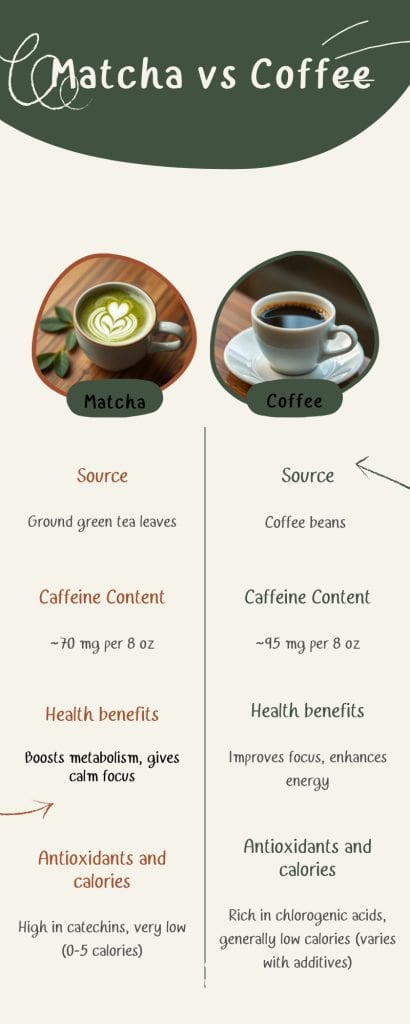
- Coffee: A typical cup of brewed coffee contains anywhere from 95-200 mg of caffeine, depending on the brew strength and bean type. Coffee’s caffeine is largely "unbuffered," meaning it enters the bloodstream rapidly. It works by blocking adenosine receptors in the brain, preventing the build-up of the "sleepy" chemical adenosine, thus promoting alertness. This rapid influx often leads to a quick peak in energy, followed by a noticeable crash as the caffeine wears off and adenosine rushes back in. This process can also trigger the release of cortisol, the stress hormone, further contributing to that "on edge" feeling.
- Matcha: While matcha also contains caffeine, its content is generally lower than coffee, ranging from 30-70 mg per serving (though this can vary significantly based on quality and preparation). The crucial differentiator, however, is the presence of L-Theanine, an amino acid unique to tea leaves, particularly abundant in shade-grown matcha. L-Theanine works synergistically with caffeine. It slows down the absorption of caffeine, leading to a more sustained and gradual release of energy. This prevents the sharp peaks and valleys associated with coffee, offering a gentle, prolonged alertness without the jitters.
L-Theanine: The Game Changer:
L-Theanine is truly the star of the matcha show. Beyond modulating caffeine absorption, it directly impacts brain activity. It stimulates the production of alpha brain waves, which are associated with a state of "wakeful relaxation" – a calm, focused alertness often experienced during meditation. This is the profound difference: coffee stimulates the sympathetic nervous system (fight or flight), leading to heightened arousal and sometimes anxiety. Matcha, thanks to L-Theanine, promotes a more parasympathetic state, fostering a sense of grounded calm while simultaneously enhancing cognitive function. This is what I now refer to as "alert calm" or "meditative focus."
Antioxidants: A Potent Shield:
Both coffee and matcha are rich in antioxidants, vital compounds that combat oxidative stress and protect cells from damage.
- Coffee: Contains chlorogenic acids, ferulic acid, and melanoidins, which have been linked to various health benefits, including reduced risk of certain diseases.
- Matcha: Boasts an exceptionally high concentration of catechins, particularly epigallocatechin gallate (EGCG). EGCG is a powerful antioxidant, much more potent than those found in most other teas. Because you consume the entire tea leaf when drinking matcha, you ingest a far greater concentration of these beneficial compounds compared to steeped tea. EGCG has been extensively studied for its anti-inflammatory, anti-cancer, and metabolism-boosting properties.



Post Comment